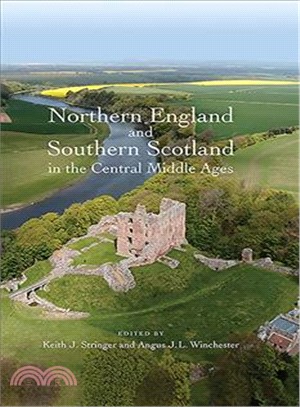
This book provides the first comprehensive analysis of the development of northern England and southern Scotland in the formative era of the twelfth and thirteenth centuries. How did "middle Britain"
The ominous announcement "Must Close Saturday" too often heralded the demise of British musicals. Looking forward from the vantage point of Lionel Bart's spectacularly successful Oliver! in 1960, Adri
In 1881, after decades of mouldering into ruin, the grand fifteenth-century church of Blythburgh, Suffolk, "The Cathedral of the Marshes", was closed as unsafe. The church was saved - but its rescue i
How, where and why runes were used is still often mysterious; they continue to set puzzles for those who study them, among whom few are better known than the author of this book. Here he investigates
Opera has become big business as well as an art form, attracting young and old, true connoisseurs, enthusiasts and celebrities. And while opera singers and superstars sometimes attract a separate foll
The wide-ranging studies collected here reflect the latest concerns of and trends in fourteenth-century research, including work on politics, the law, religion, and chronicle writing. The lively (and
Scotland is famed for being a haunted nation, "whare ghaists and houlets nightly cry". Medieval Scots told stories of restless souls and walking corpses, but after the 1560 Reformation, witches and de
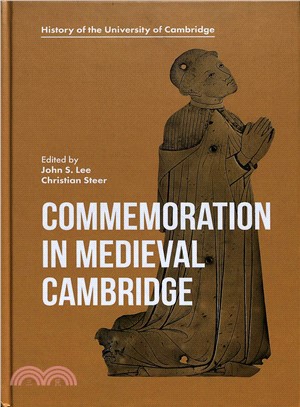
The people of medieval Cambridge chose to be remembered after their deaths in a variety of ways - through prayers, Masses and charitable acts, and by tomb monuments, liturgical furnishings and other g
In the past two decades, scholarly assessment of the Bayeux Tapestry has moved beyond studies of its sources and analogues, dating, origin and purpose, and site of display. This volume demonstrates th
The way in which saints' cults operated across and beyond political, ethnic and linguistic boundaries in the medieval British Isles and Ireland, from the sixth to the sixteenth centuries, is the subje
Following Napoleon's defeat of Prussia in 1806 and his treaties with Russia and Persia in 1807, the French threat to Britain's position in India seemed real and strengthening. At the same time, Napole
The concepts of nature, culture and heritage are deeply entwined; their threads run together in some of our finest museums, in accounts of exploration and discovery, in the work of artists, poets and
Was femininity in early Irish society perceived as weak and sinful, innately inferior to masculinity? Was it seen as powerful and dangerous, a threat to the peace and tranquility of male society? Or w
In the past William of Malmesbury (1090-1143) has been seen as first and foremost a historian of England, and little else. This volume reveals not only William's real greatness as a historian and his
Across the global networks of heritage sites, museums, and galleries, the importance of communities to the interpretation and conservation of heritage is increasingly being recognised. Meaningful comm
In the two centuries preceding the Reformation in England, economic, political and spiritual conditions combined with constructive effect. Endemic plague prompted a demonstrative piety and, in a world
Benjamin Britten Studies brings together established authorities and new voices to offer a fresh perspective on previous scholarship models and a re-contextualization of previously held beliefs about
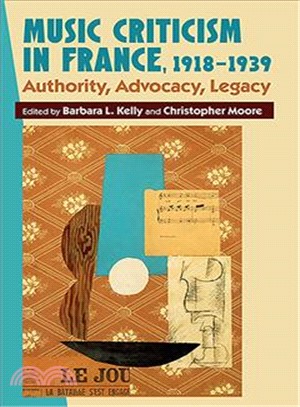
Music Criticism in France examines the aesthetic battles that animated and informed French musical criticism during the interwar period (1918-1939). Drawing upon a rich corpus of critical writings and
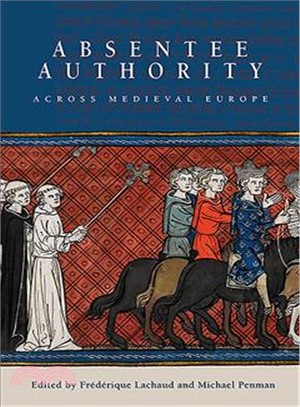
In the medieval world, what happened when a figure of recognised authority was absent? What terminology, principles and solutions of proxy authority were developed and adopted? Did these solutions dif
The friaries of medieval London formed an important part of the city's physical and spiritual landscape between the thirteenth and sixteenth centuries. These urban monasteries housed 300 or more preac
This volume of the Haskins Society Journal brings together a rich and interdisciplinary collection of articles. Topics range from the politics and military organization of northern worlds of the Anglo
The Cistercians (White Monks) were the most successful monastic experiment to emerge from the tumultuous intellectual and religious fervour of the eleventh and twelfth centuries. By around 1150 they h
Drawing on a diverse range of documentary, literary and material evidence, the essays collected here consider a wide range of important issues for the period. Political and institutional history is ad
This study of recruitment to the ministry of the Church of England in the late eighteenth and early nineteenth centuries overturns many long-standing assumptions about the education and backgrounds of
Drawing on many archival findings, this book considers the emerging function and status of orchestral conductors in Britain and the nature of the opportunities available to them from the late Victoria
Scholars from various disciplines have long debated why western Europe in general, and England in particular, led the transition from feudalism to capitalism. The decline of serfdom between c.1300 and
In 1683 English court musicians and the Musical Society of London joined forces to initiate annual observations of St Cecilia's Day (22 November), celebrating the occasion with a feast and the perform
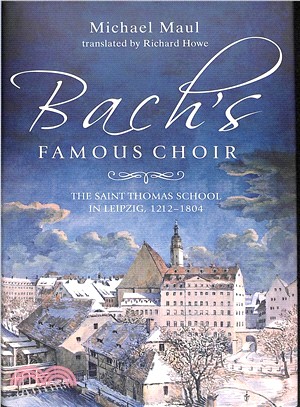
In the seventeenth and eighteenth centuries, the cantors of the St. Thomas School and Church in Leipzig could be counted among the most significant German composers of their times. But what attracted
Church towers are a prominent feature of the English landscape and stand as a testament to the skill and ingenuity of medieval masons. The Northern Province, namely the ecclesiastical province of York
The Accounts of the Lord High Treasurer of Scotland document money spent by the royal treasury and contain numerous references to clothing and textiles. This volume is designed to make the rich materi