For people in the early Middle Ages, the earth, air, water and ether teemed with other beings. Some of these were sentient creatures that swam, flew, slithered or stalked through the same environments
Sir John Fortescue was arguably the most important political thinker of fifteenth-century England. Rising from relative obscurity to become Chief Justice of the King's Bench he progressively assumed a
Richard Baxter (1615-1691) was among the most prominent English nonconformist divines. Baxter found common ground with the Puritans but sought unity among Protestants in general. A highly independent
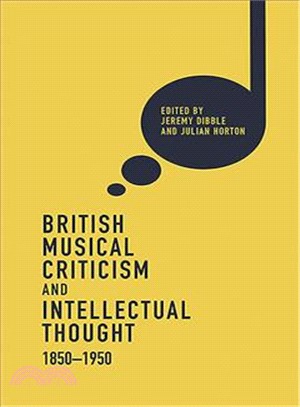
British music between the mid-nineteenth and the mid-twentieth century reflected changes and developments in society, education, philosophy, aesthetics, politics and the upheaval of wars, often signif
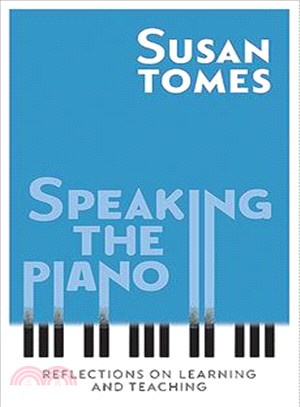
In Speaking the Piano, renowned pianist Susan Tomes turns her attention to teaching and learning. Teaching music encompasses everything from putting a drum in a child's hands to helping an accomplishe
The First Crusade (1095-1101) was the stimulus for a substantial boom in Western historical writing in the first decades of the twelfth century, beginning with the so-called "eyewitness" accounts of t
The music theory of composer Paul Hindemith (1895-1963), originally entitled Unterweisung im Tonsatz, is well known, yet poorly understood. This book provides a critical engagement with Hindemith's Un
In 1796 the young Beethoven presented his first two cello sonatas at the court of Frederick William II, an avid cellist and the reigning Prussian monarch. Released in print the next year, these revolu
Food in the Middle Ages usually evokes images of feasting, speeches, and special occasions, even though most evidence of food culture consists of fragments of ordinary things such as knives, cooking p
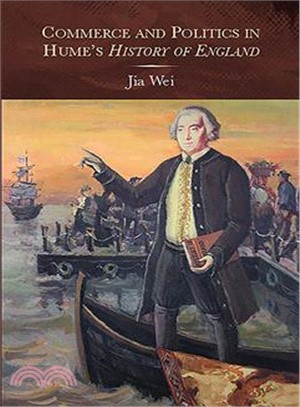
David Hume's six-volume History of England: From the Invasion of Julius Caesar to the Revolution in 1688 (1754-61) is probably his most important work as a constitutional historian and political theor
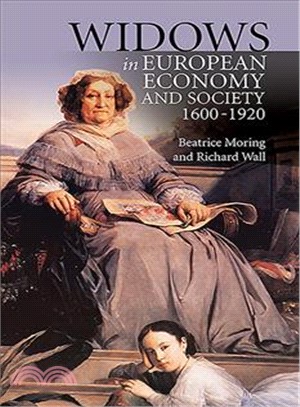
Widows are often viewed as being marginalised in society, struggling to make a living and in need of financial and other support. However, as this extensively researched and wide ranging book reveals
This book develops a comparative analysis of the relationship between western art music, nations and nationalism. It explores the influence of emergent nations and nationalism on the development of cl
This book provides a history of the alehouse between the years 1550 and 1700, the period during which it first assumed its long celebrated role as the key site for public recreation in the villages an
The years 1258-67 comprise one of the most influential periods in the Middle Ages in England. Before eventually spiralling into a bitter civil war, a significant section of England's baronage had atte
Powys, extending over north-east and central Wales, was one of three great medieval Welsh polities, along with Gwynedd to the north and Deheubarth (south-west), occupying nearly a quarter of the count
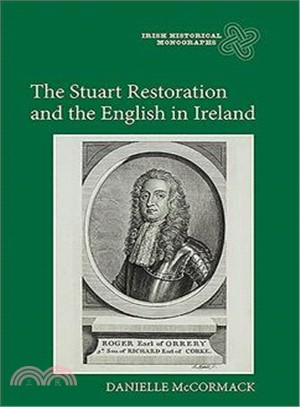
This book focuses on how historical memory and political discourse affected land settlement and political processes in early Restoration Ireland. The period 1660-1667 was one of insecurity for the Pro
This book examines the religious authority of St Birgitta of Sweden, the charismatic moral reformer and controversial female visionary of the fourteenth century, emphasising both representations of he