This book explores examples of how the Christian story is still expressed in music and how it is received by those who experience that art form, whether in church or not. Through conversations with a
This book explores the connexion between collective action, popular politics and policing in Ireland from the end of the Williamite war in 1691 to the outbreak of the Whiteboy agrarian protest in 1761
Since its inception in the nineteenth century, the genre of Anglo-Saxon charms has drawn the attention of many scholars and appealed to enthusiasts of magic, paganism, and popular religion. Their Chri
The notion of "guilds" in civic society might conjure images of craft guilds, the organisations of butchers, bakers or brewers set up to regulate working practises. In the towns of medieval Flanders,
The wars waged by the English in France during the fourteenth and fifteenth centuries led to the need for judicial agencies which could deal with disputes that arose on land and sea, beyond the reach
Wilhelm Furtwängler (1886-1954) has entered the historical memory as a renowned interpreter of the canon of Austro-German musical masterworks. His extensive legacy of recorded performances of Beethove
Jerusalem - earthly and heavenly, past, present and future - has always informed the Christian imagination: it is the intersection of the divine and human worlds, of time and eternity. Since the fourt
Historians increasingly emphasise that, in order to understand the industrial revolution fully as an economic, social and political process, the subject is best viewed from a regional, rather than a n
Narratives of crusading have often been overlooked as a source for the history of women because of their focus on martial events, and perceptions about women inhibiting the recruitment and progress of
In the eighteenth and early nineteenth centuries, French cultural life seethed with debates about the proper nature and form of musical expression, particularly in opera. Expressed in a flood of pamph
William Laud, Archbishop of Canterbury (1633-45), remains one of the most controversial figures in British ecclesiastical and political history. His rise to prominence under Charles I, his contributio
This book explores the competing demands of family, war and duty in the lives of eighteenth-century naval men and their families. It covers not just the men afloat and their wives ashore, but also the
The rich, ambitious, occasionally eccentric, but nonetheless visually exciting manifestations of the Gothic Revival in British architecture and interiors from 1730 to 1840 are the subject of this book
To an Anglophone audience, the idea of "guilds" in civic society might conjure images of craft guilds, the organisations of butchers, bakers or brewers set up to regulate working practises.
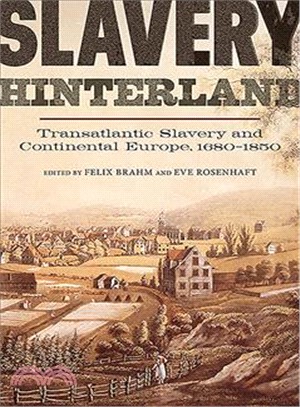
Slavery Hinterland explores a neglected aspect of transatlantic slavery: the implication of a continental European hinterland. It focuses on historical actors in territories that were not directly inv
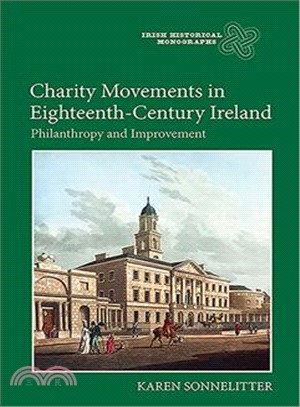
The philanthropic impulse to engage in charitable work and to encourage economic "improvement" was sharpened in eighteenth century Ireland as Irish Protestants became increasingly aware of t