The invention of metal detecting technology during the Second World War allowed the development of a hobby that has traditionally been vilified by archaeologists as an uncontrollable threat to the pro
The October Revolution of 1917 tore the fabric of Russian musical life: institutions collapsed, and leading composers emigrated or fell into silence. But in 1932, at the outset of the 'socialist reali
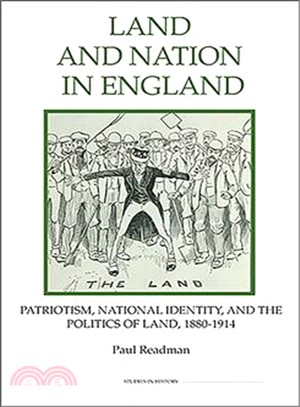
The land question loomed large in late Victorian and Edwardian politics, playing a major part in Conservative, Liberal and Labour policymaking: in the context of concern about the faltering agricultur
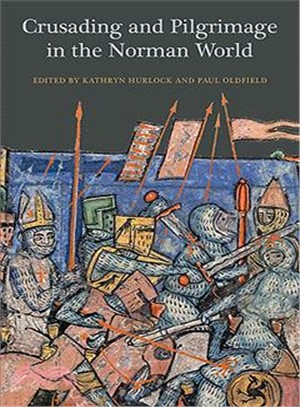
The reputation of the Normans is rooted in warfare, faith and mobility. They were simultaneously famed as warriors, noted for their religious devotion, and celebrated as fearless travellers. In the Mi
"An important and timely volume... an elegant summary of complex theory, and synthesis of an impressive body of material. It will be eagerly read by current and future generations of archaeologists, a
For people in the early Middle Ages, the earth, air, water and ether teemed with other beings. Some of these were sentient creatures that swam, flew, slithered or stalked through the same environments
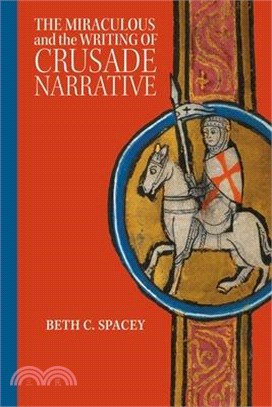
The First Crusade (1095-1101) was the stimulus for a substantial boom in Western historical writing in the first decades of the twelfth century, beginning with the so-called "eyewitness" accounts of t
Food in the Middle Ages usually evokes images of feasting, speeches, and special occasions, even though most evidence of food culture consists of fragments of ordinary things such as knives, cooking p
This book provides a history of the alehouse between the years 1550 and 1700, the period during which it first assumed its long celebrated role as the key site for public recreation in the villages an
The notion of "guilds" in civic society might conjure images of craft guilds, the organisations of butchers, bakers or brewers set up to regulate working practises. In the towns of medieval Flanders,