This book concerns the framed center in selected literary works of the 19th to 21st centuries. Such a center involves a critical passage bracketed by two halves of a text that feature language and/or
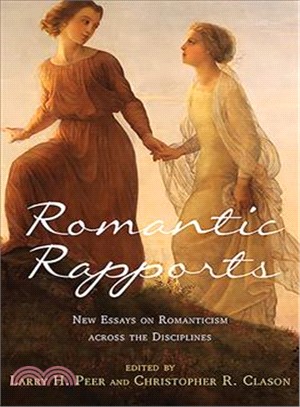
Romanticism bubbled up as lava from such historical eruptions as the Napoleonic Wars. The power of its flow across disciplines and linguistic borders reminds us that the use of the term in a context l
The wall was still coming down when critics began to call for the great Berlin novel that could explain what was happening to Germany and the Germans. Such a novel never appeared. Instead, writers hav
The aim of this book is to explore 'that post-Nietzschean archipelago of German literature which no one mind can hope to map, let alone inhabit' (Michael Hamburger) and to introduce it to the English
The essays in this book, each dealing primarily with a single work of art, form a history of Venetian painting and its criticism from the international Gothic style in the early fifteenth century to t
Furcht und Elend des Dritten Reiches (Fear and Misery of the Third Reich, 1935-38) is one of a series of plays Brecht intended to explain Hitler's Germany to the outside world. The others are parable
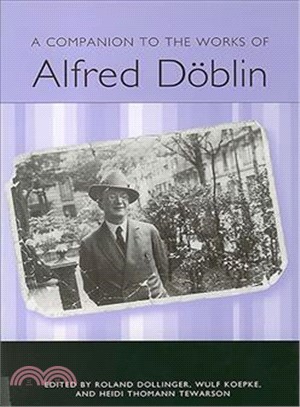
Alfred Döblin (1878-1957) was one of the great German-Jewish writers of the 20th century, a major figure in the German avant-garde before the First World War and a leading intellectual during the Weim
Since the death of Thomas Bernhard in 1989, the literary reputation of this complex and unique writer has risen to the point that he is now regarded as a major European figure. Bernhard emerged in th
The Viennese poet, dramatist, and prose writer Hugo von Hofmannsthal (1874-1929) was among the most celebrated men of letters in the German language at the turn of the 19th to the 20th century. His e
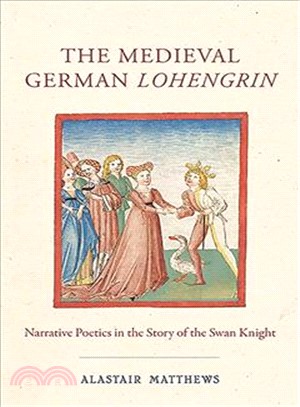
The tale of the mysterious knight carried across the water by a swan to the woman he saves and marries is one of the great narrative traditions of the Middle Ages. The version in the German Lohengrin
Now published for the International Brecht Society by Camden House under the Society's editorship, the Brecht Yearbook is the central scholarly forum for discussion of the life and work of Bertolt Bre