King Rother, a twelfth-century bridal-quest epic, occupies an important place in the history of German literature. The earliest surviving and structurally most sophisticated of the so-called minstrel
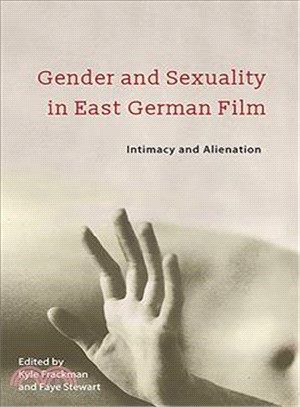
The cinema of the German Democratic Republic, that is, the cinema of its state-run studio DEFA, portrayed gender and sexuality in complex and contradictory ways. In doing so, it reflected the contradi
In 1970 Ulrike Meinhof abandoned a successful career as an activist journalist to join the terrorist group Red Army Faction; captured along with other members of the RAF in 1972, she died an unexplai
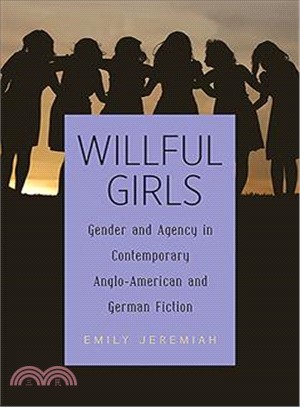
What does it mean to "become woman" in the context of neoliberalism and postfeminism? What is the role of will in this process? Willful Girls explores these questions through an analysis of the depict
In recent years, historians have revealed the many ways German women supported National Socialism -- in political organizations, as teachers, frontline auxiliaries, and nurses. In mainstream culture,
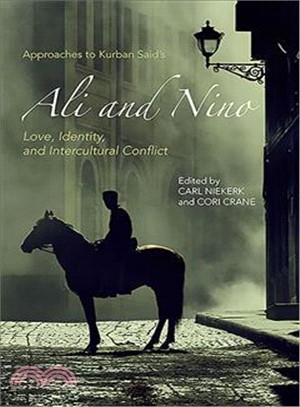
Ali and Nino is a novel published in German in 1937 under the alias "Kurban Said," a love story between a Muslim man and a Christian woman set in Baku, Azerbaijan, during World War I and the country's
This work by a prominent Steinbeck scholar begins with a study of the novelist's early celebrity in the 1930s and 1940s. Ditsky shows that by the late1940s there was some falling off in Steinbeck's c
This book is the first to discuss the critical response to Franz Werfel (1890-1945), the German writer acclaimed in several genres, poetry, drama and the novel. His first collection of lyric poetry, D
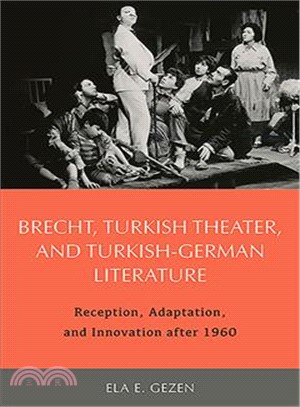
Bertolt Brecht died in 1956, but his theory and practice has continued to shape debates about the politics of culture - not only in Germany, but in Turkey as well, where a new generation of intellectu
The theme of women and death is pervasive in the German culture of the past five centuries. With the conviction that only an interdisciplinary approach can explore a typology as far-reaching and sign
Warlike women are a recurring phenomenon in German literature and culture from the early modern period to the late 20th century. Whether amazons, terrorists, or warrior women -- this volume of essays
This book looks past the frequently discussed autobiographical nature of John Updike's fiction to consider the role in Updike's work of the most powerful and peculiar human faculty: the imagination. M
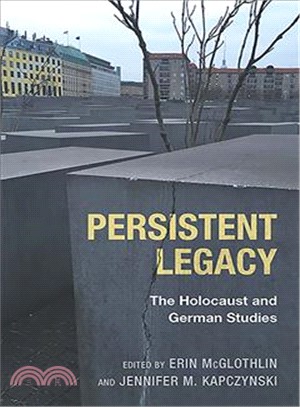
In studies of Holocaust representation and memory, scholars of literature and culture traditionally have focused on particular national contexts. At the same time, recent work has brought the Holocaus
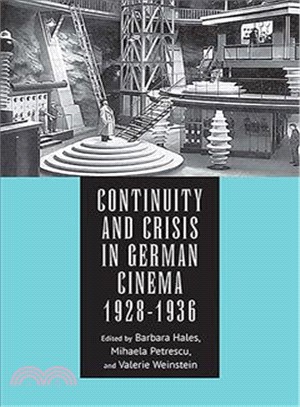
Hitler's Machtergreifung, or seizure of power, on January 30, 1933 marked the end of the Weimar Republic and the beginning of the Third Reich, and German film scholarship has generally accepted this d
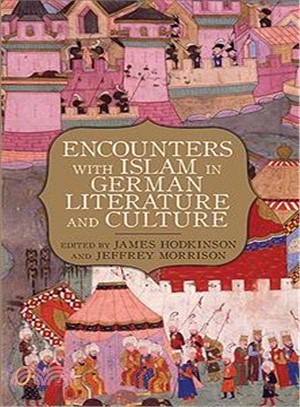
Islam has been a rich topic in German-language literature since the middle ages, and the writings about it not only reveal much about Islamic culture but also about the European "home" culture. Many
Goethe has long been enshrined as the greatest German poet, but his admirers have always been uneasy with the idea that he did not produce a great epic poem. A master in all the other genres and mode
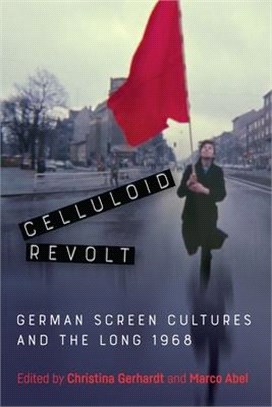
The epoch-making revolutionary period universally known in Germany as '68 can be argued to have predated that year and to have extended well into the 1970s. It continues to affect German and Austrian
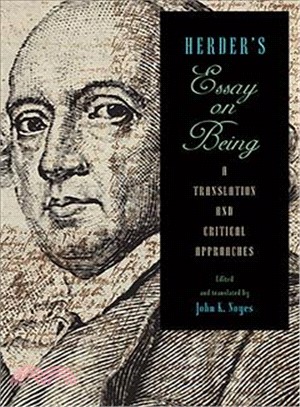
In recent years, Johann Gottfried Herder has been the focus of much interest in the English-speaking world. While he was long disregarded, current scholarship in both German and English is revisiting
Since the elections of Donald Trump and Justin Trudeau, unprecedented international attention is being drawn to the differences between the United States and Canada. This timely volume takes a close c
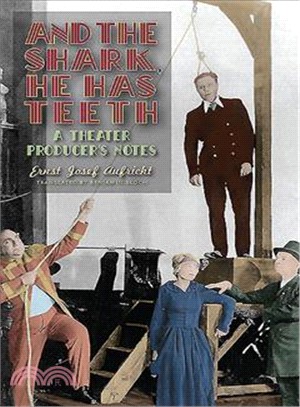
This is the first English translation of the memoirs of the great German-Jewish theater producer Ernst Josef Aufricht (in German 1966, rpt. 1998). The title alludes to Brecht and Weill's Threepenny Op
Forty-five years after his death, and more than seventy years after his indictment for treason, Ezra Pound remains a deeply controversial figure. Today it is hard to imagine a poet sparking national d
On October 3, 1990, just a year after the Berlin Wall fell, the German Democratic Republic was absorbed into the Federal Republic of Germany, officially ceasing to exist. What was the GDR and how do w
German orientalism has been understood, variously, as a form of latent colonialism, as a quest for academic hegemony in Europe, and as an effort to diagnose and treat the ills of modern Western cultur
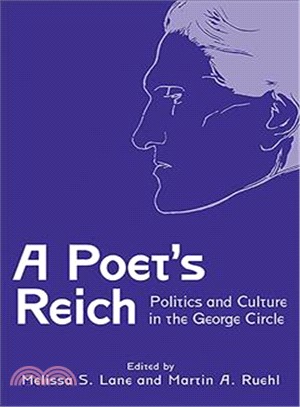
Stefan George (1868-1933) was one of the most important figures in modern German culture. His poetry, in its originality and impact, has been ranked with that of Goethe and Holderlin. Yet George's rea
East German studies today is thriving. Scholars have shown East Germany to be a complex society where culture played an important, if contested, role in the making of the socialist person. In English-
Flannery O'Connor is one of the most widely read, discussed, and taught of all American authors. She is immensely popular with students, general readers, and literary critics. Her work, often characte
At a time when the place of Muslims in German society is being disputed, this book explores how four contemporary German writers of Muslim backgrounds - Zafer Senocak, SAID, Feridun Zaimoglu, and Navi
Largely unnoticed among English-speaking scholars of German history, a major shift in interpretation of German history has been underway during the past three decades among German historians of German
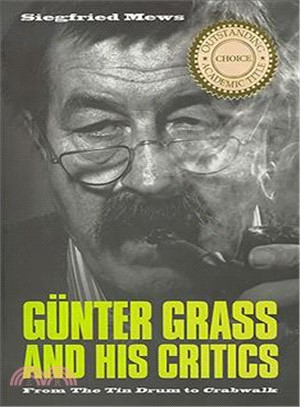
When the Swedish Academy announced that GA?nter Grass had been awarded the 1999 Nobel Prize for Literature, it singled out his first novel The Tin Drum (1959, English translation 1963) as a seminal w
The great poet and polymath Friedrich von Hardenberg, known as Novalis, was long seen as representing a particular brand of German Romanticism, embodying a predilection for the mystical and the irrat
This collection of fifteen essays by scholars from the UK, the US, Germany, and Scandinavia revisits the question of German identity. Unlike previousbooks on this topic, however, the focus is not exc
Georg Kaiser (1878-1945) is considered one of the most enigmatic figures in modern German literature; while agreeing on his importance in the development of German drama, critics have always been puzz
Jakob Michael Reinhold Lenz (1751-1792) is, after Goethe, the most important writer of the German Sturm und Drang. Crucial in the reinvention of German literature through the reception of Shakespeare,