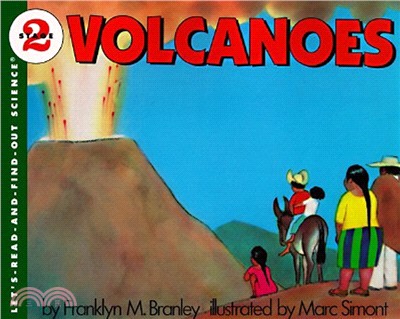
?This trim overview gives young readers an excellent grounding on volcanoes in an efficient few words. There [is] a succinct and easily readable explanation of how volcanoes are caused by magma pushin
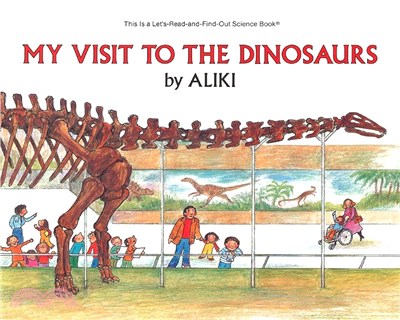
Dinosaurs are extinct now, but you can visit dinosaur skeletons in a museum. There you will meet Brachiosaurus, Stegosaurus, and Diplodocus and learn how they ruled the earth millions of years ago. Yo
Every tech-addict's guide to restoring health and balance in an increasingly IT-dependent world.Scientific studies have shown that natural environments can have remarkable benefits for human health. N
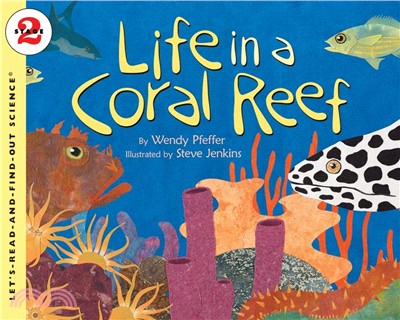
Coral reefs are living things made up of tiny coral polyps and are unique, delicately balanced ecosystems that provide homes to hundreds of species of plants and animals, but environmental threats hav
Coral reefs are living things made up of tiny coral polyps and are unique, delicately balanced ecosystems that provide homes to hundreds of species of plants and animals, but environmental threats hav
Volcanoes are one of nature's great wonders. For years they can stand dormant, but once active they can erupt in tremendous explosions of power. Some eruptions are so big, they change the earth's clim
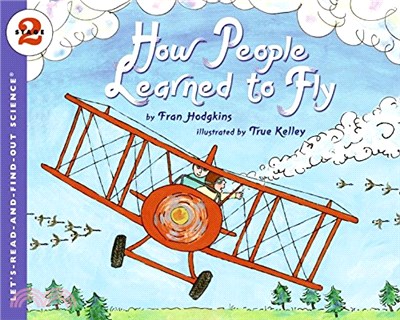
People have taken dangerous risks trying to fly. Some inventors built wings for their arms and flapped them like birds. Some built balloons. Some built machines that glided with the wind. It wasn't ea
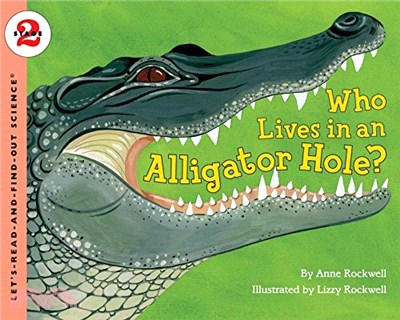
Scientists consider alligators a "keystone species"—the most important animal in their habitat. Without the alligator, many animals dependent on the gator would become extinct. Read and find ou
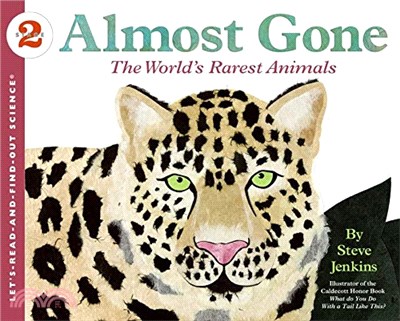
Let's-Read-and-Find-Out about Endangered Animals Have you seen a northern hairy-nosed wombat or an eastern barred bandicoot? These animals are so rare, they might disappear forever, and they're not al
Read and find out about one of nature's most mysterious forces?the earthquake. Some earthquakes are so small that you don't even feel them, while others can make even big buildings shake! Learn why ea
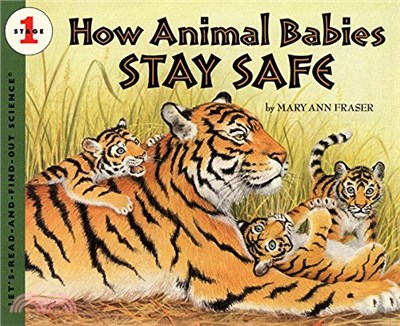
A baby scorpion rides on its mother's back. A baby alligator hides in its mother's mouth! What about a baby leopard? A baby elephant? Read and find out how animal babies stay safe.
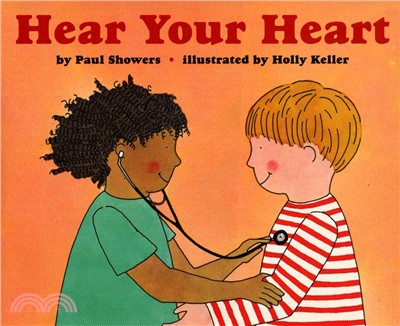
Let's-read-and-find-out about Your HeartNight and day, whether you're asleep or awake, your heart is always beating. Read and find out how your heart works and how to keep it healthy.
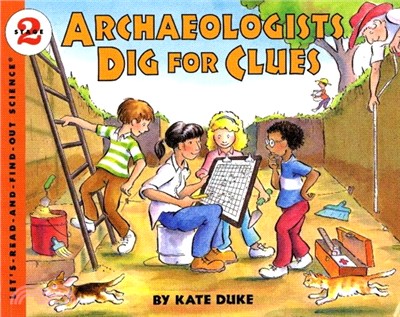
Archaeologists on a dig work very much like detectives at a crime scene. Every chipped rock, charred seed, or fossilized bone could be a clue to how people lived in the past. In this information-packe
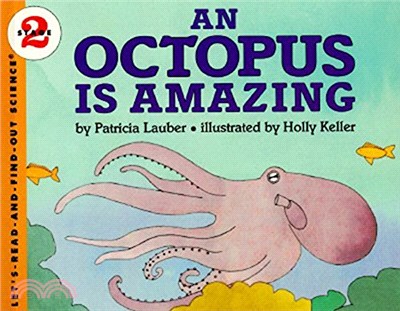
"[Here is] a charming introduction to the truly amazing octopus [from its intelligence to its ability to change colors to the camouflaging black ink it squirts to escape predators]. Lauber's chatty, f
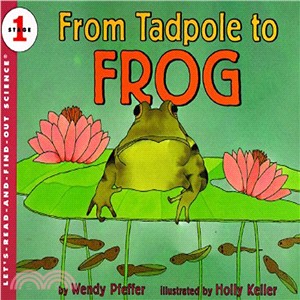
Wendy Pfeffer describes the amazing metamorphosis from tiny, jellylike egg, to little fishy tadpole, to great big bullfrog. Holly Keller has created the archetypal frog pond and we see it through the
What happened to the dinosaurs?For millions of years these fantastic creatures roamed our planet. Then, suddenly, they all disappeared. Scientists wonder why. What could have caused this huge extincti
What is a fossil?Sometimes it's the imprint of an ancient leaf in a rock. Sometimes it's a woolly mammoth, frozen for thousands of years in the icy ground. Sometimes it's the skeleton of a stegosaurus
Pioneering oceanographer Curtis Ebbesmeyer unravels the mystery of marine currents, uncovers the astonishing story of flotsam, and changes the world's view of trash, the ocean, and our global enviro
Have you ever wanted to take the same steps as a dinosaur or see how your foot compares to that of a Tyrannosaurus rex? Amazingly, the tracks or footprints of dinosaurs that walked on the earth millio
There are forces at work whenever you throw a ball, run up the stairs, or push your big brotheroff the couch. Want to learn more about the forces around you? Read and find out!
In spring and summer, honeybees gather nectar to make into honey. These fascinating insects live and work together in complicated societies, complete with queen bees and workers. Read and find out abo
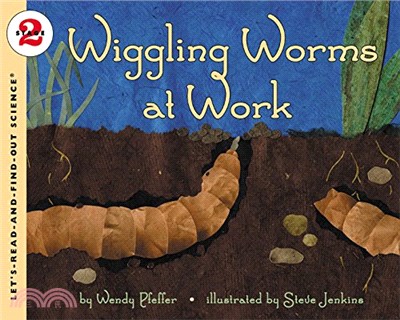
Deep underground and on the surface, worms are hard at work! Worms work like little plows, burrowing through soil by swallowing it. As they make their way through the dirt, worms loosen the soil so ro
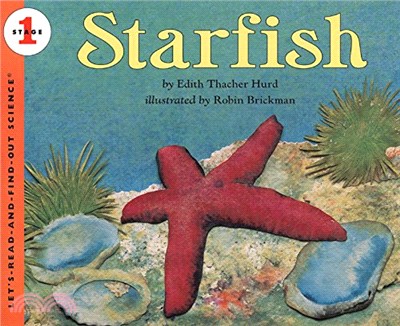
Starfish have arms, but no legs. They have feet, but no toes. When starfish get hungry, they slide, glide, and feel their way in search of something to eat. Starfish aren't fish, but they are living
A caterpillar comes to school in a jar. The class watches the caterpillar each day as it grows and changes. Soon, it disappears into a hard shell called a chrysalis. Then the chrysalis breaks, and a b
Turtles are among the oldest living creatures in the world. They have been on earth for nearly 200 million years!In Look Out for Turtles! readers will discover why these creatures have survived so lon
How to tell the difference between living and nonliving things?an essential first skill in scientific sorting and classifying?is explored with hands-on activities and colorful diagrams. Best Children?
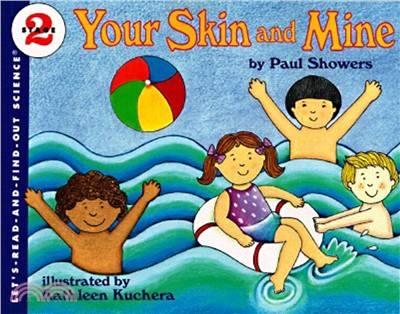
"New illustrations and some text revision update this 1965 basic introduction to the skin and its functions. Four children take turns presenting different aspects of the skin, such as pigment and mel
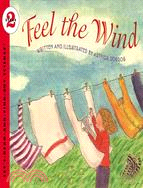
Wind Have you ever felt the wind tickle your face or heard it whistle through your window? Did you know that some wind travels faster than a car? Read inside to find out more about what causes wind,
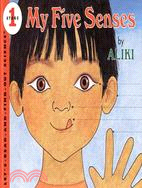
How do you learn what the world is like? Through your five senses! Each sound and taste, each smell, sight, and touch helps you to discover something new. So find out more about your senses-what they
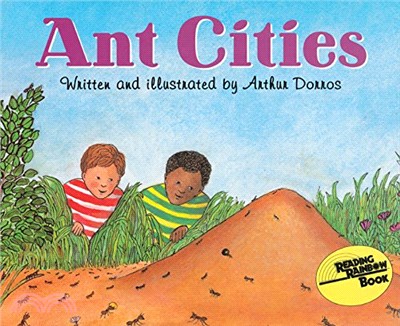
Did you know that ants have jobs? Ants may not look like they are doing anything important, but each ant that lives in a hill has a special job, whether it is cleaning the nest, digging new tunnels or
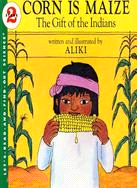
What's so great about corn? Popcorn, corn on the cob, cornbread, tacos, tamales, and tortillas. All of these and many other good things come from one amazing plant. Aliki tells the story of corn: Ho
Young stargazers learn about different star colors and brightnesses, how to locate major constellations, and how to make mini planetariums by using coffee cans and flashlights. A fine job of en
Our world is getting warmer, and the polar ice caps are melting. A polar bear needs the ice to survive, but many scientists believe that climate change may make it impossible for polar bears to live i
For hundreds of years people have wanted to fly. Countless tried and failed, but now flying is very common. Read and find out about the many obstacles that have been overcome so planes and people can
Did Dinosaurs Have Feathers? Birds have feathers, but did you know some dinosaurs did too? New fossils have shown that as long as 145 million years ago, some dinosaurs had feathers, just as birds do.
Crawling through the dirt, worms are hard at work, helping plants to grow. Worms help the fruit and vegetables we eat by loosening the soil and feeding the plants. Read and find out about these wiggli
What happens to food after you eat it? In this newly illustrated book, complete with photos, Paul Showers and Edward Miller take you on a journey through the human digestive system into the mouth, dow
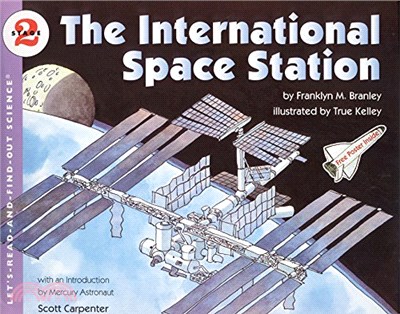
The International Space Station races through space at 17,500 miles per hour. How do people live there? What may they discover? Find out the story of the twenty-first century's great scientific advent
FrogsFrogs can jump thirty times their own body length, catch insects on the wing, and breathe underwater or on land. But they must always keep their skins wet. Read and find out why!
Why don't ducks get wet? Ducks dip and dive, but they stay dry because they spread oil over their feathers to make them waterproof. Learn more inside and get to know different kinda of ducks.Have you