Focusing on MIT and Stanford, Leslie offers a critical look at American science in the making. He reveals a regrettable series of misplaced priorities and missed opportunities that have characterized
The Cold War was the longest conflict in American history, and the defining event of the second half of the twentieth century. Since its recent and abrupt cessation, we have only begun to measure the
After World War II, the escalating tensions of the Cold War shaped the international system. Fearing the Worst explains how the Korean War fundamentally changed postwar competition between the United
Unipolar Politics brings together prominent scholars in international relations to analyze the decisions that major powers have made since the Cold War to adapt to a rapidly changing economic and secu
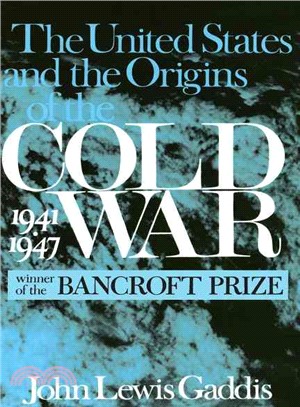
John Lewis Gaddis' acclaimed history of U.S. policy toward the Soviet Union during and immediately after World War II is now available with a new preface by the author. This book moves beyond the focu
Focusing on the two tumultuous decades framed by Indian independence in 1947 and the Indo-Pakistani war of 1965, The Cold War on the Periphery explores the evolution of American policy toward the subc
Focusing on the two tumultuous decades framed by Indian independence in 1947 and the Indo-Pakistani war of 1965, The Cold War on the Periphery explores the evolution of American policy toward the subc
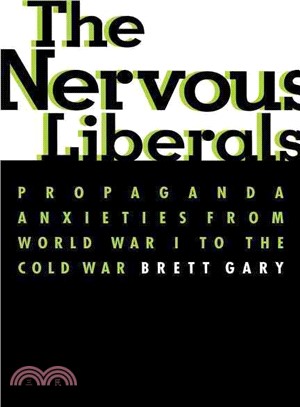
Today few political analysts use the term "propaganda." However, in the wake of World War I, fear of propaganda haunted the liberal conscience. Citizens and critics blamed the war on campaigns of mass
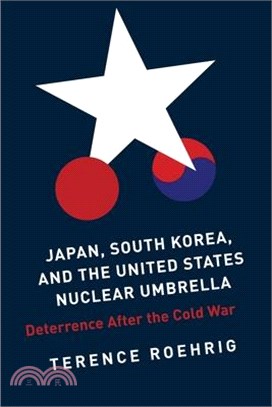
For close to sixty years, the United States has maintained alliances with Japan and South Korea that have included a nuclear umbrella, guaranteeing their security as part of a strategy of extended det
For close to sixty years, the United States has maintained alliances with Japan and South Korea that have included a nuclear umbrella, guaranteeing their security as part of a strategy of extended det
An intriguing "intellectual portrait" of a generation of Soviet reformers, this book is also a fascinating case study of how ideas can change the course of history. In most analyses of the Cold War's
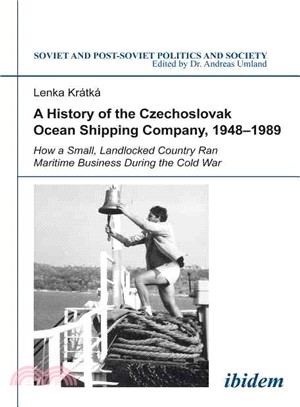
This book offers a comprehensive history of the Czechoslovak Ocean Shipping Company (C. O. S.) from its beginning in the late 1940s until the fall of communism. Owned by the Czechoslovak state, C. O.
Leslie (history of science, Johns Hopkins U.) argues that the post-World War II alliance between the US military, high-tech corporations, and academia, redefined and degraded both science and universi