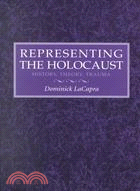
Dominick LaCapra focuses on the interactions among history, memory, and ethicopolitical concerns as they emerge in the aftermath of the Shoah. Particularly notable are his analyses of Albert Camus's n
The violent protests in Lhasa in 2008 against Chinese rule were met by disbelief and anger on the part of Chinese citizens and state authorities, perplexed by Tibetans’ apparent ingratitude for the ge
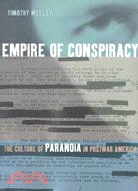
Melley (English, Miami U.) explores the growth of fiction as a critical element employed in the U.S. to frame the national security concept and an evolution in democracy. The author discusses those st
Bennett (law, Northwestern U.) and Solum (law, U. of Illinois) debate their respective ideas of constitutionalism across a series of essays and responses. Solum advocates a form of constitutional orig
In a series of essays—three published here for the first time—LaCapra explores the problems faced by historians, critics, and thinkers who attempt to grasp the Holocaust.
Why, Timothy Melley asks, have paranoia and conspiracy theory become such prominent features of postwar American culture? In Empire of Conspiracy, Melley explores the recent growth of anxieties about
"Lectures on Philosophical Theology is an indispensable addition to Kant's works in English. It has not been previously translated, and even though it is compiled from lecture notes, it provides infor