What do speakers of English know in order to produce utterances that other speakers will understand? Construction Grammar explains how knowledge of language is organized in speakers' minds. The centra
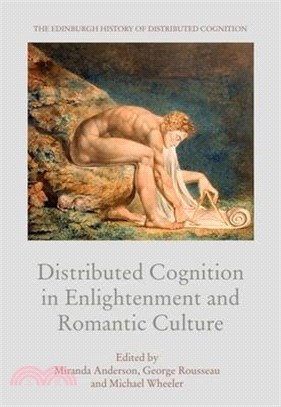
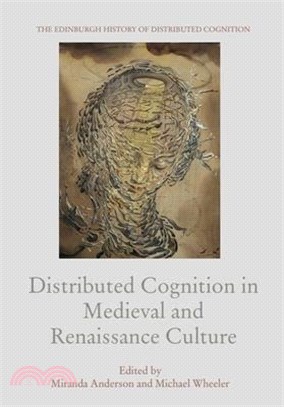
Reveals the diverse ways that cognition was seen as spread over brain, body and world in the 9-17th centuriesThis collection brings together 14 essays by international specialists in Medieval and Rena
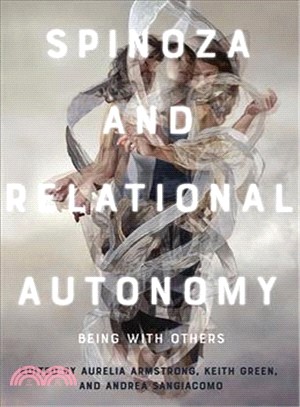
Integrates Spinoza's thought into the contemporary debate on interpersonal relationships and individual autonomyThe question of how to understand autonomy has emerged as a critical issue in contempora
Youth has been represented on screen for decades and has informed many directors' visual, narrative and social perspectives, but there has not been a body of work addressing the richness and complexit
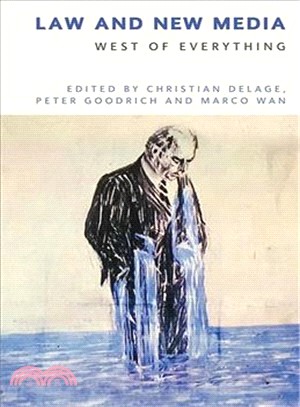
In this volume, international specialists from new and established domains of law, media, film and virtual studies address the emergence of the jurist in the era of digital transmission. Examining the
This collection provides a thorough representation of the early and ongoing conversation between Gothic and theory - philosophical, aesthetic, psychological and cultural both in the many modes of Got
Medieval and early modern authors engaged with Ovid's tale of 'Iphis and Ianthe' in a number of surprising ways. From Christian translations to secular retellings on the seventeenth-century stage, Ovi
How can law ethically regulate a future of fast-changing technologies? From recent inventions to science fiction, Future Law explores how law, ethics and regulation must respond to new technologies th
Provides a sustained comparative reading of the relation between Beckett and Blanchot through its novel conception of the language and phenomenon of terrorSamuel Beckett and the Terror of Literature a