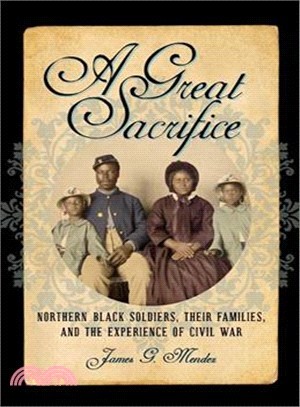
A Great Sacrifice is an in-depth analysis of the effects of the Civil War on northern black families carried out using letters from northern black women—mothers, wives, sisters, and female family frie
The essays in this collection examine philosophical, religious, and literary or artistic texts using methodologies and insights that have grown out of reflection on literature and art. In them, them p
Sophistry, since Plato and Aristotle, has been philosophy’s negative alter ego, its bad other. Yet sophistry’s emphasis on words and performativity over the fetishization of truth makes it an essentia
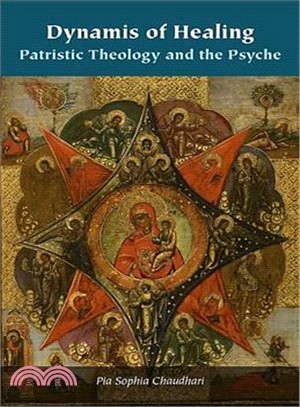
This book explores how traces of the energies and dynamics of Orthodox Christian theology and anthropology may be observed in the clinical work of depth psychology. Looking to theology to express its
Lateral Aesthetics explores the pivotal role that various art forms played in American literary fiction in direct relation to the politics of gender and sexuality at the turn of the century. It tracks
During the 1975–76 academic year, Jacques Derrida delivered a seminar, La vie la mort (Life Death), at the École normale supérieure, in Paris. Based on archival translations of this untapped but soon-
The most important work by a key figure in German thought, Helmuth Plessner’s Levels of Organic Life and the Human, originally published in 1928, appears here for the first time in English, accompanie
What Theodor W. Adorno says cannot be separated from how he says it. By the same token, what he thinks cannot be isolated from how he thinks it. The central aim of Richter’s book is to examine how the
Parishes are the missing middle in studies of American Catholicism. Between individual Catholics and a global institution, the thousands of local parishes are where Catholicism gets remade. American P
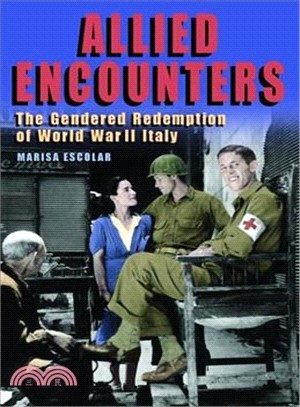
Allied Encounters uniquely explores Anglo-American and Italian literary, cinematic and military representations of World War II Italy in order to trace, critique and move beyond the gendered paradigm
Being Brains offers a critical exploration of one of the most influential and pervasive contemporary beliefs: “We are our brains.” Starting in the “Decade of the Brain” of the 1990s, “neurocentrism” b
Literature on the ethics and politics of food and that on animal-human relationships have infrequently converged. Representing an initial step towards bridging this divide, Messy Eating features inter
This book tells the story of a Jewish Studies that hasn’t fully happened—at least not yet. Newton asks what we mean when we say “Jewish Studies”—and when we imagine it not as mere amalgam but as a pro
Edited by Gary Gallagher and Elizabeth Varon, two of the most prominent nineteenth-century American historians in the nation, New Perspectives on the Union War provides a more nuanced understanding of
For the Love of Psychoanalysis is a book about what exceeds or resists calculation—in life and in death. Rottenberg examines what emerges from the difference between psychoanalysis and philosophy.Part
Populism in politics and policy orientations in law have thrown the jurisdiction of the academy and the disciplines of interpretation into disarray. Critique flounders in abstraction and negativity, l
Everyone agrees that theology has failed; but the question of how to understand and respond to this failure is complex and contested. Against both the radical orthodox attempt to return to a time befo
Last Acts argues that the Elizabethan and Jacobean theater offered playwrights, actors, and audiences important opportunities to practice arts of dying. Psychoanalytic and new historicist scholars hav
Already in 1929, Walter Benjamin described “a one hundred per cent image-space.” Such an image space saturates our world now more than ever, constituting the visibility in which we live. The Supermar
Habit rules our lives. And yet climate change and the catastrophic future it portends, makes it clear that we cannot go on like this. Our habits are integral to narratives of the good life, to social
We may think we know what defines religious fanaticism: violent action undertaken with dogmatic certainty. But the term fanatic, from the European Reformation to today, has never been a stable one. Th
Any reader engaging the work of Keats, Shelley, or Coleridge must confront the role biography has played in the canonization of each. Each archive is saturated with stories of the life prematurely cut
The moon?its face, color, and power?threads through the tapestry of American landscape painting, holding timeless allure for artists and beloved by viewers of paintings everywhere. The Hudson River Mu
As Horkheimer and Adorno first conceived of it, critical theory steadfastly opposed the mathematization of thought. Mathematics signaled a dangerous positivism that led reason to the barbarism of the
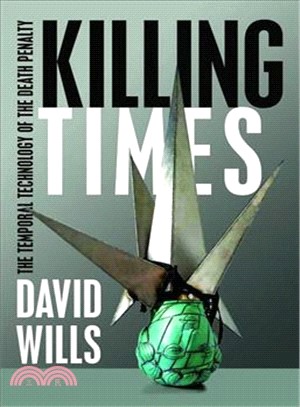
Killing Times begins with the deceptively simple observation—made by Jacques Derrida in his seminars on the topic—that the death penalty mechanically interrupts mortal time by pre-empting the typical
For many, the right place to look for law is in constitutions, statutes, and judicial opinions. This book looks for law in the “wrong places”—sites and spaces where no formal law appears. These may be
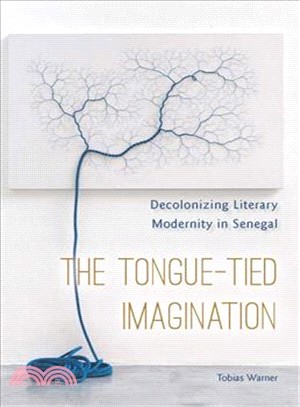
Should a writer work in a former colonial language or in a vernacular? The language question was one of the great, intractable problems that haunted postcolonial literatures in the twentieth century,
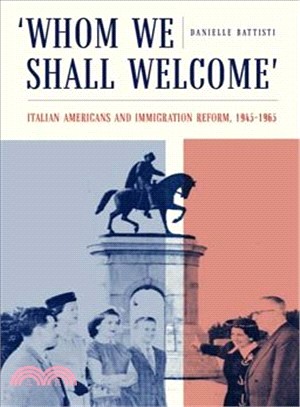
Whom We Shall Welcome examines World War II immigration of Italians to the United States, an under-studied period in Italian immigration history. Danielle Battisti looks at efforts by Italian American
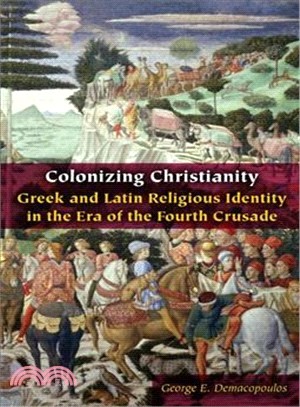
Colonizing Christianity employs postcolonial critique to analyze the transformations of Greek and Latin religious identity in the wake of the Fourth Crusade. Through close readings of texts from the p
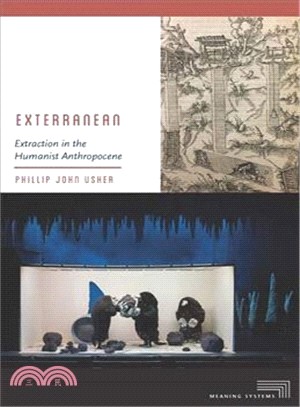
Exterranean concerns the extraction of stuff from the Earth, a process in which matter goes from being sub- to exterranean. By opening up a rich archive of nonmodern texts and images from across Europ
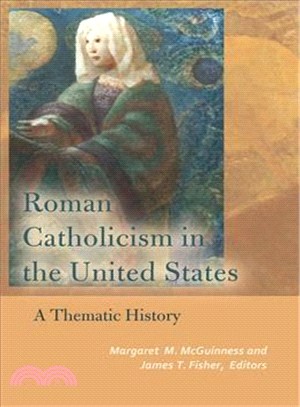
Roman Catholicism in the United States: A Thematic History takes the reader beyond the traditional ways scholars have viewed and recounted the story of the Catholic Church in America. The collection c
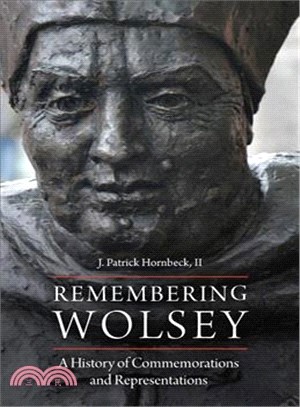
Remembering Wolsey seeks to contribute to our understanding of historical memory and memorialization by examining in detail the commemoration and representation of the life of Thomas Wolsey, the sixte
Republication on the twenty-fifth anniversary of “Pretends to Be Free” recognizes the signal importance of its sterling presentation of northern self-emancipation. Today, even more than a quarter-cent
The Two Cultures of English examines the academic discipline of English in the final decades of the twentieth century and the first years of the new millennium. During this period, longstanding organi
The first publication in a new series—Christian Arabic Texts in Translation, edited by Stephen Davis—this book presents English-language excerpts from thirteenth-century commentaries on the Apocalypse
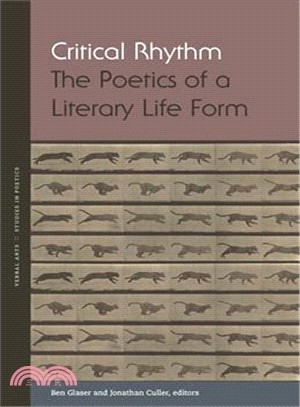
Rhythm constitutes an untapped resource for understanding poetry, making legible a range of ways poetry affects us that cannot be parsed through the traditional resources of poetic theory. Rhythm ha
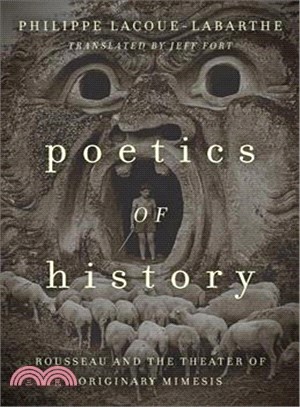
Rousseau’s opposition to the theater is well known: But is it possible that Rousseau’s texts reveal a different conception of theatrical imitation? This short but potent text from a powerful European
What happens when we think of poetry as a global literary form, while also thinking the global in poetic terms? Forms of a World shows how the innovations of contemporary poetics have been forged agai
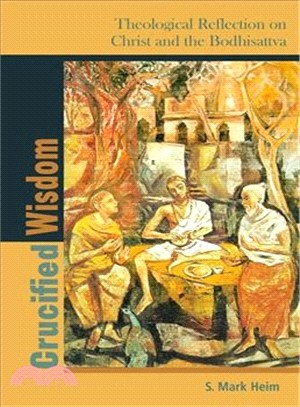
This work provides the first systematic discussion of the Bodhisattva path and its importance for constructive Christian theology. Crucified Wisdom examines specific Buddhist traditions, texts, and pr
Practicing Caste attempts a fundamental break from the tradition of caste studies, showing the limits of the historical, sociological, political, and moral categories through which it has usually been