After the relative gloom of the 1950s, there was a rapid economic pick-up in the early 1960s. Car ownership increased as standards of living improved and Dublin, in common with other European cities,
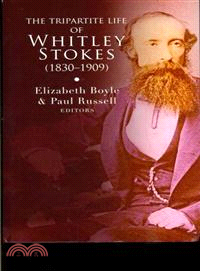
Scholars of language, literature, and other humanities consider Stokes as an individual, as a codifier of Anglo-Indian law and an Irishman living in London and India, and as a Celticist and translator
"The period between 1939 and 1965 was a critical juncture in the history of the Scottish Highlands and Islands--a phase when war, welfarism and the planned integration and reconstruction of the Britis
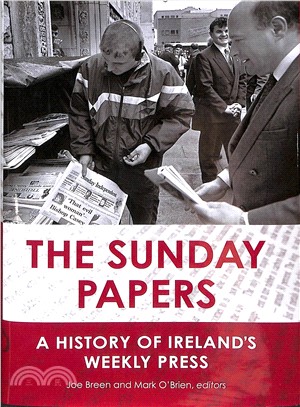
For over a century, the Irish Sunday newspaper has influenced social mores and political developments in Ireland. In this lively and engaging book, historians and journalists celebrate the character,
This historical and peaceful valley in the Wicklow Mountains of Ireland was a monastery in medieval times and today is a destination for tourists, historians, peace-seekers, and photographers. This co
The words of the Proclamation were put together by P.H. Pearse and revised by James Connolly and Thomas MacDonagh. The document is short and exhortatory. Nonetheless, teased out, it unfolds patterns o
Beginning with the arrival of the Dominicans in Dublin in 1224 and concluding with the Dissolution Campaign of 1540-1541, this book surveys the history, lifestyle, and pastoral and cultural impact of
This book considers what was written, printed, published, owned and sometimes read in Ireland between 1680 and 1784. It seeks to evaluate the ephemeral and what has subsequently vanished in order to c
The notion and truth of creation has many direct implications for the role of man and woman in the world: the meaning of pain; the connection between religious outlook and science's view of the world;
In the first published history of Ireland's school inspectorate, Coolahan (Education [emeritus], National University of Ireland Maynooth) and O'Donovan (affiliated with Department of Education and Sci
Cynthia containing direfull sonnets, madrigalls, and passionate intercourses, describing his repudiate affections expressed in love's owne language was published in London in 1604, and survives in onl
This book explores the landscape of Stradbally Hall from the perspective of four groups, with varying positions and agendas within eighteenth-century society - landlords, tenants, cartographers and vi
Fenning (archivist, Irish Dominican province) has collected and edited 27 successive articles written by Fr. Benedict O'Sullivan originally published in the Irish Rosary between 1948 and 1953. The art
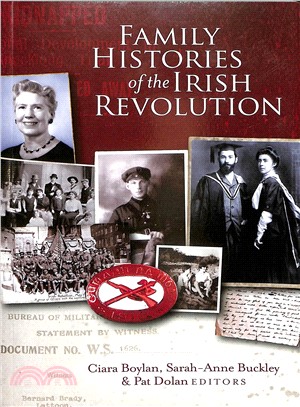
This volume presents a unique and engaging selection of stories from current and retired staff at NUI Galway of familial participation during the revolutionary period. It captures the ways in which fa
John Hume is regarded as the key architect of the Belfast/Good Friday Agreement. This book collects extracts from Hume's key speeches, articles and interviews, and adds a contextual narrative. The sel
Scholars in English and Irish literature, most working in Ireland, examine how various texts read by children since the 18th century reflect concepts of Irish national or imperial identity and how the
Eight papers by scholars of theology, history, and classics ponder one of the most traumatic experiences of the early church, the Great Persecution begun by the emperor Diocletian and his tetrarchic c
Editor Thompson (research and humanities, St. Patrick's College, Ireland) and 10 co-contributors offer a collection of essays on the role of imagination in the creative process, which are based on the
The Irish brigade rushed to defend Pope Pius IX and the Papal States from invasion by the army of King Victor Emmanuel II of Piedmont, and revolutionary Giuseppe Garibaldi's 'red shirt' guerrillas. Th
From the fall of Parnell to the rise and fall of the Celtic Tiger, regional newspapers have documented the story of Ireland. In this book, historians and journalists describe the newspapers, editors a
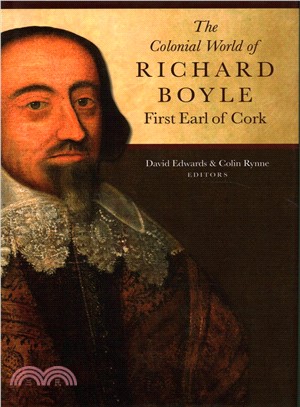
Richard Boyle, first earl of Cork (1566-1643), ranks among the most famous and infamous figures in the history of early modern Ireland and the wider English Atlantic world. The archetypal crooked land
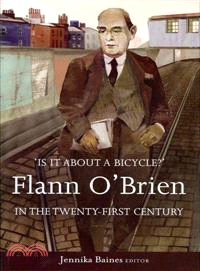
The works of Brian O'Nolan present a very apt and humorous representation of twentieth century Dublin culture. He wrote novels under the pen name Flann O'Brien, and for twenty-six years contributed hi
A discussion of the rich written heritage of the Old and Middle Irish period, 600-1200. Chapters deal with such topics as druids, monks, poets, the beginnings of writing manuscripts, saga cycles, and
Martin 'Mairtin Mor' McDonogh was, in every sense of the word, Galway's 'big man'. A natural entrepreneur, and a man of drive, ambition and no small intellect, he took his father's company, Thomas McD
This book examines the effects of the Great Famine on the people of Kinsale and surrounding countryside. It shows how famine, death and disease took its toll on one class in particular - the poor. In
This important book charts the history of the Dublin Company of Goldsmiths, from the Middle Ages to the present. It demonstrates the close link between the guild and the city and shows how the Company
For over a thousand years Ireland has been a host to a surprising variety of languages and cultures. Every area of Irish life and cultural expression has been informed by this contact with diverse lan
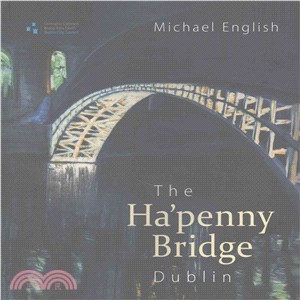
Dublin's Ha'penny Bridge is one of the symbols of the city. Designed by Coalbrookdale in Shropshire and erected in Dublin in and opened on 19 May 1816. It was the first dedicated footbridge over the r
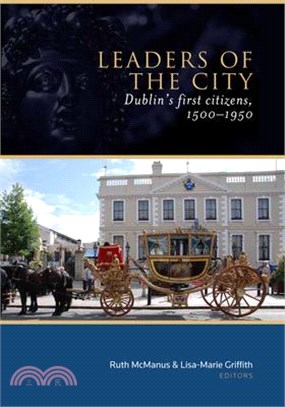
The lord mayor is the first citizen of Dublin city and chairperson of the elected council. The office of mayor, created in 1229 and restyled lord mayor in 1665, has been held by diverse individuals wh
Theological scholars explore teachings by Christian fathers of both the east and west from the second to the 20th centuries on the nature and activity of the Holy Spirit. Among the 10 topics are the H
Daly retired as a bishop in 1993, and Devlin retired as a parish priest in 2008, and both have served in the Derry Diocesan Archive. They draw from that to list priests alphabetically in the diocese i
This book, based on lectures given at the University of Navarre, is a systematic study of the person of Mary, the mother of Jesus of Nazareth, true God and true Man and the redeemer of mankind. After
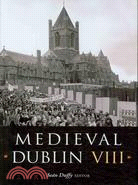
Duffy (Fellow of Trinity College, Dublin) selects essays from the eighth annual Friends of Medieval Dublin Symposium, 2006. Contributors include historians, archaeologists, librarians, and other profe
'Harp studies' presents new research on the Irish harp with perspectives from the disciplines of ethnomusicology, musicology, history, arts practice, folklore and cultural studies. Themes explored in
Kerry's coastal location within the north-western corner of the north Atlantic positioned it strategically within a wider sphere of unparalleled discovery, migration and demographic upheaval, trade an
Sgealta Mhuintir Luinigh / Munterloney Folktales is a unique compendium of Tyrone lore in the Irish language including folktales, legends, songs, proverbs, riddles, charms, toasts and accounts of vari
This is the first comprehensive account of County Louth's experience of the revolutionary period (1912-23), revealing a county with a strong industrial and agricultural base that faced serious challen
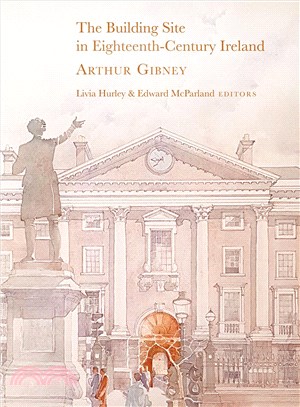
This study by the late Arthur Gibney takes you among labourers, craftspeople, contractors, builders, and designers as they populate the building sites of eighteenth-century Ireland. Gibney tells a sto
These essays chart the development of Ciaran Carson's career, scrutinizing his experiments in a new urban poetics, including his obsessive concern with maps and labyrinths. The essays examine his inte