In recent years, the role of women in country houses and estates across Ireland and the UK has been the focus of greater attention. Chatelaines, mothers, wives, daughters, widows, sisters, housekeeper
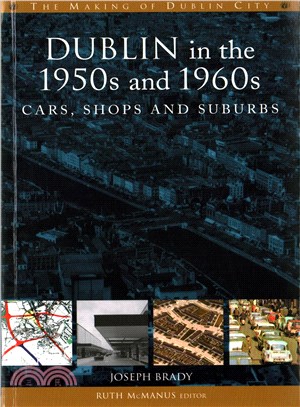
After the relative gloom of the 1950s, there was a rapid economic pick-up in the early 1960s. Car ownership increased as standards of living improved and Dublin, in common with other European cities,
In the 1920s Germany and Ireland were new European democracies operating in adverse international, political and economic conditions. This book places the bilateral Irish-German relationship in the co
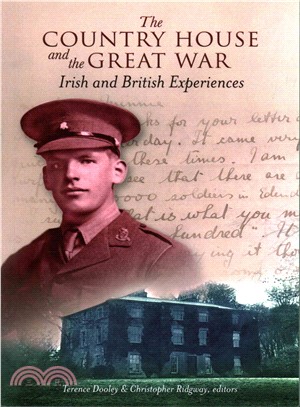
Drawing on archival materials, and incorporating never-before-seen images, this volume presents a spectrum of experiences from owners, to servants and tenants, as well as the local communities that li
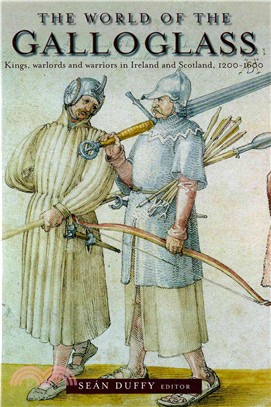
This volume contains the proceedings of a recent Edinburgh conference at which scholars discussed the intersection of Scottish and Irish politics and culture in the later Middle Ages. It was a world e
From the 1770s to the mid-nineteenth century the commissioners for paving the streets of Dublin, commonly known as the Paving Board were responsible for the paving, lighting and cleansing of the capit
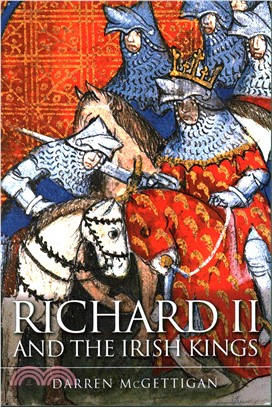
The late medieval kings of England showed little interest in their Lordship of Ireland. They showed even less interest in the Gaelic Irish population of the island. Richard II, however, was different.
In this book, author John Waddell contends that elements of pre-Christian Celtic myth preserved in medieval Irish literature shed light on older traditions and beliefs not just in Ireland but elsewher
In the late twelfth century, Ireland was absorbed into the dominions of the kings of England. This transformed the social and political life of the island, with implications that resonate to the prese
The Easter Rising, which mostly took place in Ireland's capital city, directly impacted on Dublin City Council. Some fighting occured in sites belonging to the council, including City Hall itself, whi
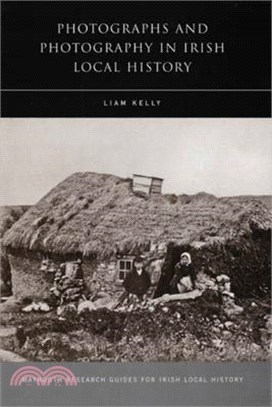
Historians have been slow to recognize photographs as important primary sources for research and it is only in recent years that photographs are being taken seriously as historical documents in their
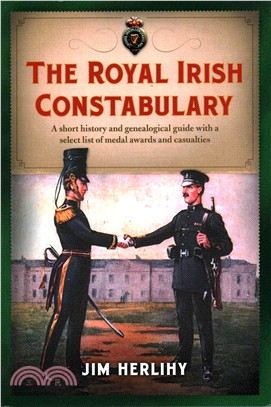
This new, revised and expanded edition brings back into print an excellent resource for those interested in the history of the RIC and the revolutionary period generally. In the period 1816 to 1922 so
How did one nineteenth-century memorial to a seventeenth-century figure come to be so significant in the city of Derry that it would generate conflict for nearly two hundred years? How has the struggl
This collection of short memoirs and critical essays explores the relation between home as metaphor and symbol, and home as a physical, material and spatial entity. In the first section, 'Our house,'
Despite being the female patron saint of Ireland and one of the most remarkable women in Irish history, St Brigid has always been an elusive figure. Some scholars have argued that she never existed as
Using a great variety of source materials, and including a large number of photographs and other images, this book builds a picture of Dublin between 1930 and 1950. While this period is on the edge of
This study investigates the career of Thomas Bermingham, a professional land agent who was widely known in his day for his management of the Clonbrock estates in east Galway and Roscommon between 1827
This book is the first comprehensive history of the Redmond political dynasty, its connections to Waterford and its contribution to national and local politics. For sixty years the Redmonds, John, his
In the time period covered by this study, progressive legislation in the areas of land purchase, local government and education, facilitated the movement into local politics of a more advanced nationa
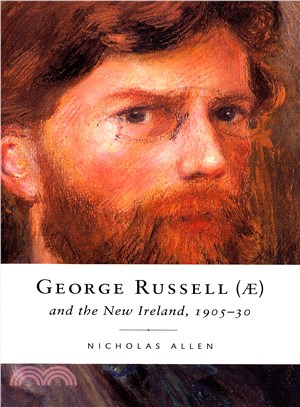
George Russell (1867-1935), poet and author, was a central figure of the Irish literary revival. He was editor of early 20th-century Ireland's two most important journals, the Irish Homestead (1905-23
This is the first in-depth study of the oldest surviving 'beginner's guide' to the Irish language. Christopher Nugent, baron of Delvin, presented Queen Elizabeth I with an Irish language primer in 156
The nineteenth century was a period of enormous change in Ireland and has left a legacy that still affects Irish people today. It saw the shaping of a political nation, the trauma of the Famine, the r
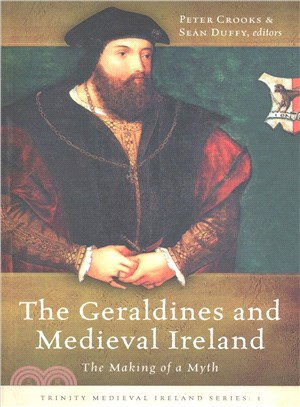
From the earliest moments of their involvement in Ireland, the Geraldines (or FitzGeralds) - the greatest of the Anglo-Norman dynasties established in Ireland after 1169 - became shrouded in myths, of
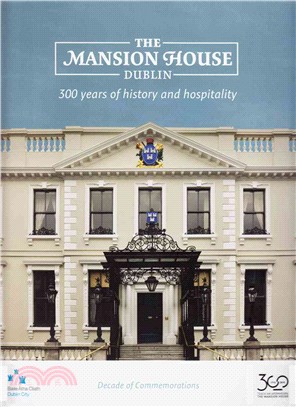
Dublin's Mansion House is the only mayoral residence in Ireland and is older than any surviving in Great Britain. Originally the town house of merchant and property developer Joshua Dawson, it was pur
This book relates the remarkable story of the Parnell split in Westmeath and argues that it was part of a wider revolt by a section of the Catholic middle class against the dominant role of the church
This book examines the universal subject of death - looking at the particular experience of death, burial and commemoration in Dublin since the 16th century. Using death as a way of understanding soci
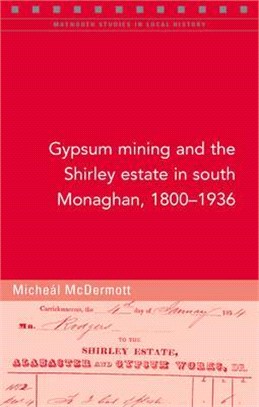
In the early 1800s, a fruitless pursuit of coal on the Shirley estate in south Monaghan led to the discovery and the intermittent exploitation of gypsum on the estate lands. In portraying the inter-re
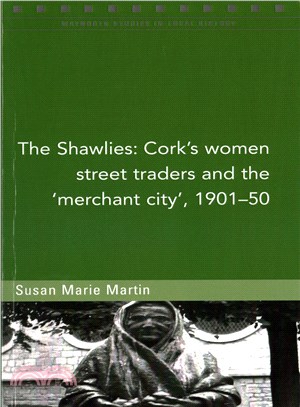
For centuries, Cork's Shawlies survived by trading on public streets. Then, in 1926, the Irish Free State government introduced the Street Trading act, insisting it was fair legislation needed to regu
Following on from volume 1 on new unionism and old (1889-1906), volume 2 reviews the impact of Larkinism and syndicalism on Derry. After impressive progress in the 19th century, Derry's industrial gro
This is the first book in a three-volume series on architectural history, richly illustrated and written for the general reader. Unpacking the history of Dublin's architecture during the 20th century,
The campaign for women's votes in Ireland coincided with the nationalist movement, the First World War, the rise of the trade union movement, the cultural revival and, of course, the 1916 Rising. It c
In the period 1832 to 1857 some 3,700 men served in the Irish Revenue Police. In this book, Jim Herlihy shows how to find information on these policemen, providing an excellent resource for those inte
Why do a number of children look like the local dean? Did you hear that the bishop did not like the communion wine and spat it out, exclaiming "this is the basest wine I have ever tasted"? Such issues
Lying just south of the line that divided Ireland's two halves, Leath Chuinn to the north and Leath Mhogha to the south, the churches of the present county of Offaly could scarcely have been other tha
The words of the Proclamation were put together by P.H. Pearse and revised by James Connolly and Thomas MacDonagh. The document is short and exhortatory. Nonetheless, teased out, it unfolds patterns o
This book explores the landscape of Stradbally Hall from the perspective of four groups, with varying positions and agendas within eighteenth-century society - landlords, tenants, cartographers and vi
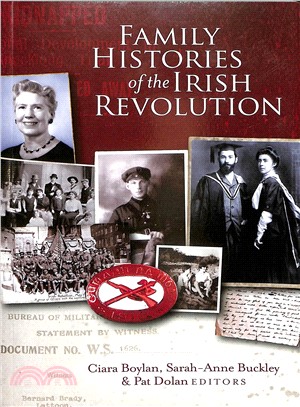
This volume presents a unique and engaging selection of stories from current and retired staff at NUI Galway of familial participation during the revolutionary period. It captures the ways in which fa