In this sumptuous guide to twelve centuries of military development, Peter Connolly combines a detailed account of the arms and armies of Greece and Rome with his superb full-color artwork. Making use
One of Churchill’s most controversial decisions during the Second World War was to switch SOE support in Yugoslavia in 1943 from the Cetniks loyal to the exiled Royal Government to backing Tito and hi
One of the enduring controversies of the Waterloo campaign is the conduct of Marshal Grouchy. Given command of a third of Napoleon’s army and told to keep the Prussians from joining forces with Wellin
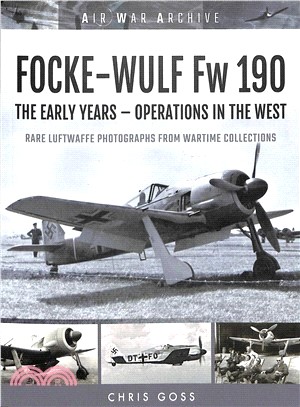
The Focke-Wulf Fw 190 was widely regarded as the Luftwaffe’s finest fighter. It first saw service in France in August 1941, immediately proving itself at least the equal of the then latest Spitfire va
The United States Marine Corps was one of the phenomena of the Second World War. Greatly expanded from its prewar order of battle of scattered defense battalions, overseas garrisons and ship detachmen
The Special Operations Executive developed a vast network of agents across Occupied Europe which played a vital role in developing and sustaining Resistance movements that persistently sought to subve
Sir Thomas Graham’s Netherlands Campaign of 1813–1814 has produced a surprisingly rich crop of memoirs and letters. This compelling new book brings together six of the shorter accounts, several of the
In this wide-ranging study of the Napoleonic regime, Digby Smith tracks Napoleon’s rise to power, his stewardship of France from 1804–15, and his exile. He highlights his military mistakes, such as hi
Napoleon’s Imperial Guard was arguably the most famous military formation to tread the battlefields of Europe. La Garde Imperial was created on 18 May 1804, and from its origins as a small personal es
After 1500, European warfare was repeatedly revolutionized by new weapons, new methods for supplying armies in the field, improved fortifications and new tactics for taking fortifications. This allowe