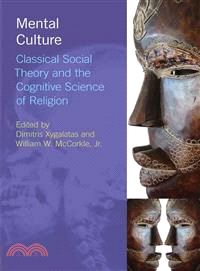
Why is the set of human beliefs and behaviours that we call "religion" such a widespread feature of all known human societies, past and present, and why are there so many forms of re
Ethics in the Virtual World examines the gamer's enactment of taboo activities in the context of both traditional and contemporary philosophical approaches to morality. The book argues that it is more
Ethics in the Virtual World examines the gamer's enactment of taboo activities in the context of both traditional and contemporary philosophical approaches to morality. The book argues that it is more
European political and other social scientists analyze manifestations of togetherness and separateness of territorial units in Europe, with a special focus on state exclaves--areas geographically sepa
In the early twentieth century The Eastern Buddhist not only shared in pioneering presentations of Buddhism to the west but invited interaction with non-Japanese authors. This interactive process incr
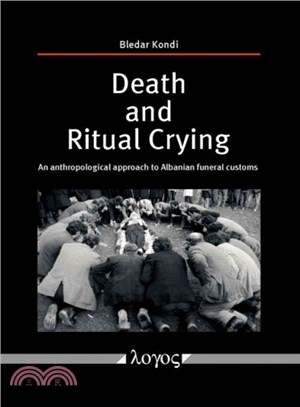
A specialist on Albanian music, Kondi explores the cultural phenomenology of death: faces of the faceless, free integrative crying and the open poly-event funeral, the Albanian phonosphere of death: f
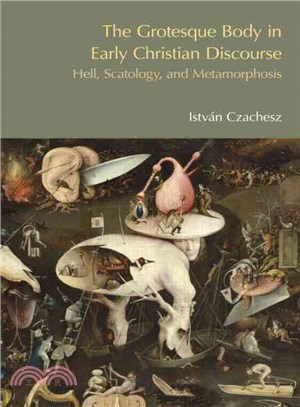
The Grotesque Body in Early Christian Literature proposes that the rhetorical appeal of first and second century Christian literature was greatly enhanced by the creation of a powerful discourse about
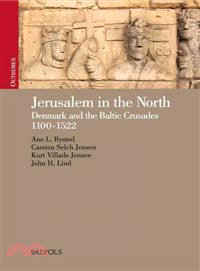
'God wills it, God wills it!' - this was the response to the sermon of Pope Urban II at Clermont in 1095, in which he exhorted his audience to take the cross and liberate Jerusalem. And his words spre