"From Walden to Wall Street makes clear that a system of market-based conservation finance is vital to the future of environmental conservation." -Henry M. Paulson, Chairman and CEO, Goldman Sachs Gr
In 1983, zoologist Alan Rabinowitz ventured into the rain forest of Belize, determined to study the little-known jaguar in its natural habitat and to establish the world's first jaguar preserve. With
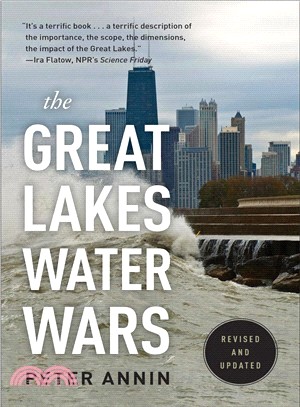
The Great Lakes are the largest system of freshwater lakes in the world and America’s greatest freshwater resource. For over a century they have been the target of controversial diversion scheme
There exists a category of American cities in which the line between suburban and urban is almost impossible to locate. These suburban cities arose in the last half of twentieth-century America, based
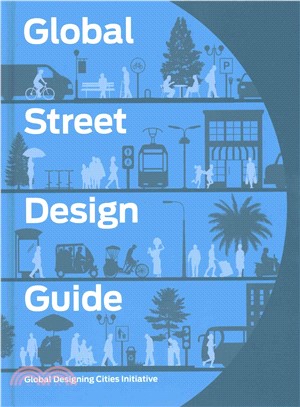
Each year 1.2 million people die from traffic fatalities, highlighting the need to design streets that offer safe and enticing travel choices for all people. Cities around the world are facing the sam
Vital Signs Volume 21 is all about growth. From natural disasters to cars to organic farming, the two dozen trends examined here indicate both increasing pressure on natural resources and scaled up ef
This trailblazing book outlines an interdisciplinary "process model" for urban design that has been developed and tested over time. Its goal is not to explain how to design a specific city precinct or
This trailblazing book outlines an interdisciplinary "process model" for urban design that has been developed and tested over time. Its goal is not to explain how to design a specific city precinct or
China’s meteoric rise to economic powerhouse might be charted with dams. Every river in the country has been tapped to power exploding cities and factories—every river but one. Running through one of
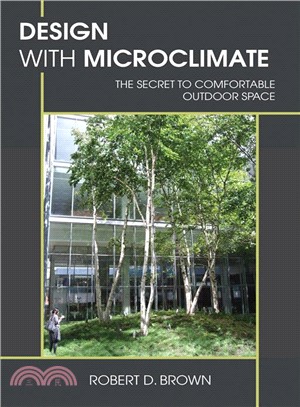
Robert Brown helps us see that a "thermally comfortable microclimate" is the very foundation of well-designed and well-used outdoor places. Brown argues that as we try to minimize human-induced chang
Most scientists and researchers aren’t prepared to talk to the press or to policymakers—or to deal with backlash. Many researchers have the horror stories to prove it. What’s clear, according to Nancy
Animal migration is a magnificent sight: a mile-long blanket of cranes rising from a Nebraska river and filling the sky; hundreds of thousands of wildebeests marching across the Serengeti; a blaze of
In metropolitan areas across the country you can hear the laments over the loss of green space to new subdivisions and strip malls. But some city residents have begun unprecedented measures to protec
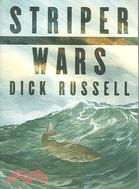
When populations of striped bass began plummeting in the early 1980s, author and fisherman Dick Russell was there to lead an Atlantic coast conservation campaign that resulted in one of the most remar
The world urgently needs a comprehensive system of Marine Protected Areas (MPAs) to conserve biodiversity and to help rebuild the productivity of the oceans. The aim of these Guidelines is to help cou
Around the world, mass transit is struggling to compete with the private automobile, and in many places, its market share is rapidly eroding. Yet a number of metropolitan areas have in recent decades
First published in 1977, this volume caused a sensation because of Daly's radical view that "enough is best." Today, his ideas are recognized as the key to sustainable development, and Steady-State E
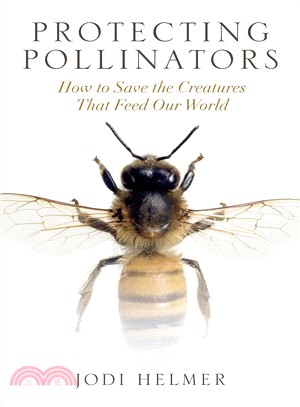
We should thank a pollinator at every meal. These diminutive creatures fertilize a third of the crops we eat. Yet half of the 200,000 species of pollinators are threatened. Birds, bats, insects, and m
Plastics have transformed every aspect of our lives. Yet the very properties that make them attractive—they are cheap to make, light, and durable—spell disaster when trash makes its way in
With the effects of climate change already upon us, the need to cut global greenhouse gas emissions is nothing less than urgent. It’s a daunting challenge, but the technologies and strategies to
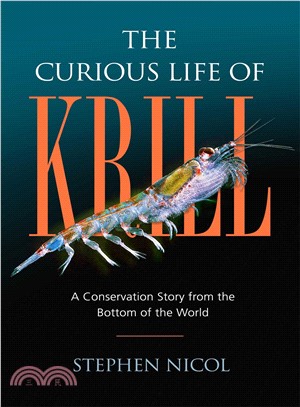
Krill—it’s a familiar word that conjures oceans, whales, and swimming crustaceans. Scientists say they are one of most abundant animals on the planet. But when pressed, few people can accu
In the United States, direct energy use in buildings accounts for 39% of carbon dioxide emissions per year—more than any other sector. Buildings contribute to a changing climate and warming of the ear
The next few decades will see a profound energy transformation throughout the world. By the end of the century (and perhaps sooner), we will shift from fossil fuel dependence to rely primarily on rene
The average parking space requires approximately 300 square feet of asphalt. That’s the size of a studio apartment in New York and enough room to hold 10 bicycles. Space devoted to parking in growing
Is it possible for a group of the world’s most respected environmental scientists to truly practice what they preach? Can their expertise in climate change help them in transforming an old house and i
Urban Green explores new and innovative ways for “built out” cities to add much-needed parkland. After first exploring the question of why urban parks are needed, Peter Harnik looks at how much parkla
"This is a book about the making of cities and the buildings that compose them. It is about the conditions under which an architect engaged in those activities now works, how those conditions evolved
Water has long been the object of political ambition and conflict. Recent history is full of leaders who tried to harness water to realize national dreams. Yet the people who most need water--farmers,
In 1991, Island Press published Turning the Tide, a unique and accessible examination of the Chesapeake Bay ecosystem. The book took an indepth look at the Bay’s vital signs to gauge the overall healt
One of the great debates of our time concerns the predominant form of land use in America today -- the all too familiar pattern of commercial and residential development known as sprawl. But what do
This volume explores the issues associated with the complex subject of water quality protection in an assessment of the successes and failures of the Clean Water Act over the past twenty years. In add
The kouprey is one of the most endangered species of mammals in the world. This Action Plan has been developed by IUCN in collaboration with the Governments of Vietnam, Laos, Cambodia and Thailand, an
Cities are the world’s future. Today, more than half of the global population—3.7 billion people—are urban dwellers, and that number is expected to double by 2050. There is no question that cities are
How do you achieve effective low-carbon design beyond the building level? How do you create a community that is both livable and sustainable? More importantly, how do you know if you have succeeded? H
With BPA in baby bottles, mercury in fish, and lead in computer monitors, the world has become a toxic place. But as Emily Monosson demonstrates in her groundbreaking new book, it has always been toxi
There is an emerging consensus that all is not well with today’s market-centric economic model. Although it has delivered wealth over the last half century and pulled millions out of poverty, it is re
With BPA in baby bottles, mercury in fish, and lead in computer monitors, the world has become a toxic place. But as Emily Monosson demonstrates in her groundbreaking new book, it has always been toxi
Just as people schedule regular check-ups with physicians, our planet needs regular check-ups to catch issues as early as possible, before they become more serious and harder to heal. That is the much
When Admiral Richard E. Byrd set out on his second Antarctic expedition in 1934, he was already an international hero for having piloted the first flights over the North and South Poles. His plan for