The landscapes of North America, including eastern forests, have been shaped by humans for millennia, through fire, agriculture, hunting, and other means. But the arrival of Europeans on America&rsquo
The landscapes of North America, including eastern forests, have been shaped by humans for millennia, through fire, agriculture, hunting, and other means. But the arrival of Europeans on America&rsquo
Over the next several decades, as human populations grow and developing countries become more affluent, the demand for energy will soar. Parts of the energy sector are preparing to meet this demand by
Abbie Gascho Landis first fell for freshwater mussels while submerged in an Alabama creek, her pregnant belly squeezed into a wetsuit. After an hour of fruitless scanning, a mussel materialized from t
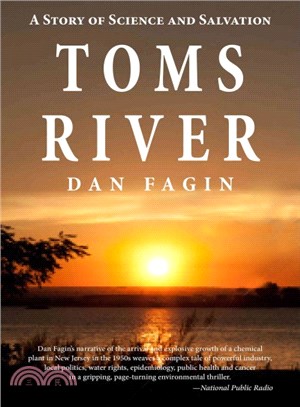
The true story of a small town ravaged by industrial pollution, Toms River has been hailed by The New York Times as ?a new classic of science reporting.” Now available in paperback with a new afterwor
What would it mean to live in cities designed to foster feelings of connectedness to the ocean? As coastal cities begin planning for climate change and rising sea levels, author Timothy Beatley sees o
Does going green change the face of design or only its content? The first book to outline principles for the aesthetics of sustainable design, The Shape of Green argues that beauty is inherent to sust
Does going green change the face of design or only its content? The first book to outline principles for the aesthetics of sustainable design, The Shape of Green argues that beauty is inherent to sust
Animals such as wolves, sea otters, and sharks exert a disproportionate influence on their environment; dramatic ecological consequences can result when they are removed fromor returned to—
Having manipulated water for irrigation, energy, and burgeoning urban centers, humans are facing the reality that although fresh water is renewable, it is as finite as any other resource. Countries,
In humanity’s more than 100,000 year history, we have evolved from vulnerable creatures clawing sustenance from Earth to a sophisticated global society manipulating every inch of it. In short, we have
This eye-opening book reports the results of a large-scale study based on extensive financial and technical analyses of more than 150 green buildings in the United States and ten other countries. Usin
Winner of The Wildlife Society's 2009 Wildlife Publication Award for outstanding edited book As human populations around the world continue to expand, reconciling nature conservation with human needs
The purpose of this guidebook is to help practitioners design impact fees that are equitable. It demonstrates exactly how a fair impact fee program can be designed and implemented. In addition, it inc
Land abandonment is increasing as human influence on the globe intensifies and various ecological, social, and economic factors conspire to force the cessation of agriculture and other forms of land
The Essential Ian McHarg brings together a series of short essays that reveal the full range of Ian McHarg's thoughts on design and nature. Adapted from the comprehensive book of his work,To Heal the
How are greenways designed? What situations leadto their genesis, and what examples best illustratetheir potential for enhancing communities and theenvironment? Designing greenways is a key to protec
Environmental Economics for Tree Huggers and Other Skeptics is an essential resource for those who would like to incorporate the powerful tools of economic analysis into their work in support of envi
Nature-Friendly Communities presents an authoritative and readable overview of the successful approaches to protecting biodiversity and natural areas in America's growing communities. Addressing the
Colleges and universities across North America are facing difficult questions about automobile use and transportation. Lack of land for new parking lots and the desire to preserve air quality are but
Based on an Ecosystem Management Project initiated by the USDA Forest Service in 1993, this volume presents a case study of the Great Basin region of six western states. After describing the project,
"...an absorbing, well-researched, and illuminating life of an American leader who now receives the full attention he deserves." -MICHAEL BESCHLOSS, EDITOR OF AMERICAN HERITAGE ILLUSTRATED HISTORY OF
Scientists and researchers concerned with the behavior of large ecosystems have focused in recent years on the concept of "resilience." Traditional perspectives held that ecological systems exist clo
In the early 2000s, energy prices have fluctuated wildly, from historic highs in the winter and spring of 2001 to the lowest wholesale prices in decades a few short months later. As the largest user
Explores the impact and inconsistancies of human evolution upon human nature, examining the physical, intellectual, cultural, and sexual aspects of human development and behaviors in the light of curr
A significant number of the world's ocean fisheries are depleted, and some have collapsed, from overfishing. Although many of the same fishermen who are causing these declines stand to suffer the most
Because of the profound effects of the built environment on the availability of natural resources for future generations, those involved with designing, creating, operating, renovating, and demolishin
The first half of the 1990s saw the largest and most costly floods, hurricanes, and earthquakes in the history of the United States. While natural hazards cannot be prevented, their human impacts can
We owe much of our economic prosperity to the vast forested landscapes that cover the earth. The timber we use to build our homes, the water we drink, and the oxygen in the air we breathe come from th
We owe much of our economic prosperity to the vast forested landscapes that cover the earth. The timber we use to build our homes, the water we drink, and the oxygen in the air we breathe come from th
“A good city is like a good party—you stay for longer than you plan,” says Danish architect Jan Gehl. He believes that good architecture is not about form, but about the interaction between form and l
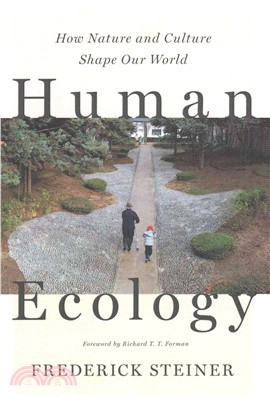
Humans have always been influenced by natural landscapes, and always will be—even as we create ever-larger cities and our developments fundamentally change the nature of the earth around us. InHuman E
Every time we sneeze, there seems to be a new form of flu: bird flu, swine flu, Spanish flu, Hong Kong flu, H5N1, and most recently, H5N7. While these diseases appear to emerge from thin air, in fact,
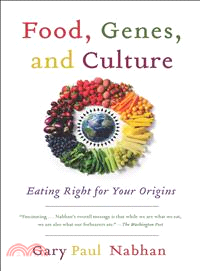
Vegan, low fat, low carb, slow carb: Every diet seems to promise a one-size-fits-all solution to health. But they ignore the diversity of human genes and how they interact with what we eat.In Food, Ge
Nearly half the buildings that will be standing in 2030 do not exist today. That means we have a tremendous opportunity to reinvent our urban areas, making them more sustainable and livable for future