Mangos from India, pasta from Italy, coffee from Colombia: Every day, we are nourished by a global food system that relies on our planet remaining verdant and productive. But current practices are und
Climate and Conservation presents case studies from around the world of leading-edge projects focused on climate change adaptation-regional-scale endeavors where scientists, managers, and practitioner
Streets and the Shaping of Towns and Cities traces the history of street design and layout, critiques the situation we are in today, and suggests alternatives that are less rigidly controlled, more fl
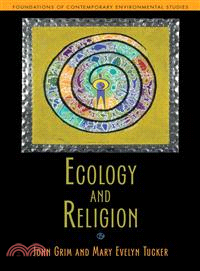
From the Psalms in the Bible to sacred rivers in Hinduism, the natural world has been integral to the world’s religions. John Grim and Mary Evelyn Tucker argue that today’s growing environmental chall
In recent years, the number of presidential declarations of “major disasters” has skyrocketed. Such declarations make stricken areas eligible for federal emergency relief funds that greatly reduce the
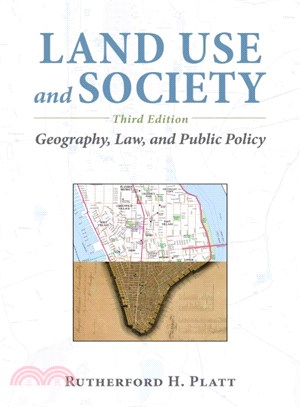
The intersection between geography and law is a critical yet often overlooked element of land-use decisions, with a widespread impact on how societies use the land, water, and biodiversity around them
After eight years of research, the Committee on Soil and Sediment Biodiversity and Ecosystem Functioning of the Scientific Committee on Problems of the Environment (SCOPE) held its final workshop in E
Stretching across southern Mexico, northern Guatemala, and Belize, the Maya Forest, or Selva Maya, constitutes one of the last large blocks of tropical forest remaining in North and Central America. H
Lawyers, Swamps, and Money is an accessible, engaging guide to the complex set of laws governing America's wetlands. After explaining the importance of these critical natural areas, the book examines
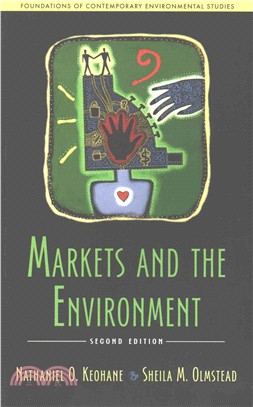
A clear grasp of economics is essential to understanding why environmental problems arise and how we can address them. So it is with good reason thatMarkets and the Environment has become a classic te
The environment that we construct affects both humans and our natural world in myriad ways. There is a pressing need to create healthy places and to reduce the health threats inherent in places alread
As world population grows, and more people move to cities and suburbs, they place greater stress on the operating system of our whole planet. But urbanization and increasing densities also present our
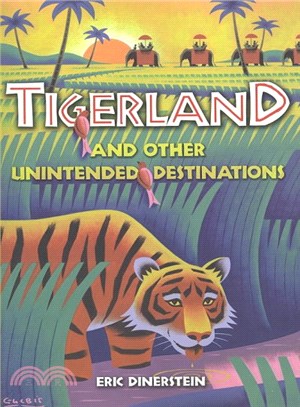
In 1972, Eric Dinerstein was in film school at Northwestern University, with few thoughts of nature, let alone tiger-filled jungles at the base of the Himalayas or the antelope-studded Serengeti plain
Buck illuminates the policy processes by which U.S. environmental law is created. Aimed at a college audience, this concise text also describes the political environment in which policy is applied and
How do you measure biodiversity, and why should landscape architects and planners care? What are the essential issues, the clearest terminology, and the most effective methods for biodiversity plannin
Millions of people throughout the country - particularly people of color and members of low-income groups - live in the most undesirable sections of cities and towns where they are continuously expose
Scientists, theologians, and the spiritually inclined, as well as all those concerned with humanity's increasingly widespread environmental impact, are beginning to recognize that our ongoing abuse of
Thirty years ago, the best thinking on urban stream management prescribed cement as the solution to flooding and other problems of people and flowing water forced into close proximity. Urban streams w
Concern over climate change and the ongoing challenges of managing natural lands have made the field of ecological restoration a growing focus in the agendas of national and international conservation
Restoration plans must take into account the needs of current or desired wildlife species in project areas. Restoring Wildlife gives ecologists, restorationists, administrators, and other professional
How much can we use the environment without spoiling what we find so valuable about it? Determining the carrying capacity of parks and related areas is a perennial question whose urgency grows each ye
For nearly two centuries, the creation myth for the United States imagined European settlers arriving on the shores of a vast, uncharted wilderness. Over the last two decades, however, a contrary visi
Increasing numbers of Americans are fleeing cities and suburbs for the small towns and open spaces that surround national and state parks, wildlife refuges, historic sites, and other public lands. Wit
The Assessment is a collaboration engaging US, state, and local government agencies; non-government organizations; academia; business; and community groups to assess the state of knowledge about clima
The landscapes of North America, including eastern forests, have been shaped by humans for millennia, through fire, agriculture, hunting, and other means. But the arrival of Europeans on America&rsquo
Over the next several decades, as human populations grow and developing countries become more affluent, the demand for energy will soar. Parts of the energy sector are preparing to meet this demand by
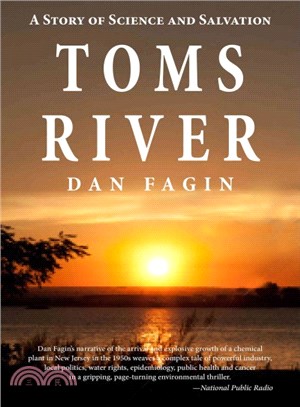
The true story of a small town ravaged by industrial pollution, Toms River has been hailed by The New York Times as ?a new classic of science reporting.” Now available in paperback with a new afterwor
What would it mean to live in cities designed to foster feelings of connectedness to the ocean? As coastal cities begin planning for climate change and rising sea levels, author Timothy Beatley sees o
Does going green change the face of design or only its content? The first book to outline principles for the aesthetics of sustainable design, The Shape of Green argues that beauty is inherent to sust