Xenophon (ca. 430 to ca. 354 BCE) was a wealthy Athenian and friend of Socrates. He left Athens in 401 and joined an expedition including ten thousand Greeks led by the Persian governor Cyrus against
Ammianus Marcellinus, ca. 325ca. 395 CE, a Greek of Antioch, joined the army when still young and served under the governor Ursicinus and the emperor of the East Constantius II, and later under
Xenophon (ca. 430 to ca. 354 BCE) was a wealthy Athenian and friend of Socrates. He left Athens in 401 and joined an expedition including ten thousand Greeks led by the Persian governor Cyrus against
Lysias (ca. 458ca. 380 BCE), born at Athens, son of a wealthy Syracusan settled in Attica, lived in Peiraeus, where with his brother he inherited his father's shield factory. Being a loyal supp
Lucretius (Titus Lucretius Carus) lived ca. 99ca. 55 BCE, but the details of his career are unknown. He is the author of the great didactic poem in hexameters, De Rerum Natura (On the Nature of
Strabo (ca. 64 BCE to ca. 25 CE), an Asiatic Greek of Amasia in Pontus, studied at Nysa and after 44 BCE at Rome. He became a keen traveller who saw a large part of Italy, various near eastern region
Dio Cocceianus Chrysostomus, ca. 40ca. 120 CE, of Prusa in Bithynia, Asia Minor, inherited with his brothers large properties and debts from his generous father Pasicrates. He became a skilled
Dio Cocceianus Chrysostomus, ca. 40ca. 120 CE, of Prusa in Bithynia, Asia Minor, inherited with his brothers large properties and debts from his generous father Pasicrates. He became a skilled
Ammianus Marcellinus, ca. 325ca. 395 CE, a Greek of Antioch, joined the army when still young and served under the governor Ursicinus and the emperor of the East Constantius II, and later under
Ammianus Marcellinus, ca. 325ca. 395 CE, a Greek of Antioch, joined the army when still young and served under the governor Ursicinus and the emperor of the East Constantius II, and later under
Strabo (ca. 64 BCE to ca. 25 CE), an Asiatic Greek of Amasia in Pontus, studied at Nysa and after 44 BCE at Rome. He became a keen traveller who saw a large part of Italy, various near eastern region
Strabo (ca. 64 BCE to ca. 25 CE), an Asiatic Greek of Amasia in Pontus, studied at Nysa and after 44 BCE at Rome. He became a keen traveller who saw a large part of Italy, various near eastern region
Strabo (ca. 64 BCE to ca. 25 CE), an Asiatic Greek of Amasia in Pontus, studied at Nysa and after 44 BCE at Rome. He became a keen traveller who saw a large part of Italy, various near eastern region
Strabo (ca. 64 BCE to ca. 25 CE), an Asiatic Greek of Amasia in Pontus, studied at Nysa and after 44 BCE at Rome. He became a keen traveller who saw a large part of Italy, various near eastern region
Xenophon (ca. 430 to ca. 354 BCE) was a wealthy Athenian and friend of Socrates. He left Athens in 401 and joined an expedition including ten thousand Greeks led by the Persian governor Cyrus against
Xenophon (ca. 430 to ca. 354 BCE) was a wealthy Athenian and friend of Socrates. He left Athens in 401 and joined an expedition including ten thousand Greeks led by the Persian governor Cyrus against
Dio Cocceianus Chrysostomus, ca. 40ca. 120 CE, of Prusa in Bithynia, Asia Minor, inherited with his brothers large properties and debts from his generous father Pasicrates. He became a skilled
Xenophon (ca. 430 to ca. 354 BCE) was a wealthy Athenian and friend of Socrates. He left Athens in 401 and joined an expedition including ten thousand Greeks led by the Persian governor Cyrus against
Ausonius (Decimus Magnus), ca. 310ca. 395 CE, a doctor's son, was born at Burdigala (Bordeaux). After a good education in grammar and rhetoric and a short period during which he was an advocate
Ausonius (Decimus Magnus), ca. 310ca. 395 CE, a doctor's son, was born at Burdigala (Bordeaux). After a good education in grammar and rhetoric and a short period during which he was an advocate
Apuleius, one of the great stylists of Latin literature, was born ca. 125 AD in Madauros to a politically prominent family and received an elite education in the provincial capital Carthage and at Ath
Aeschylus (ca. 525–456 BCE), the dramatist who made Athenian tragedy one of the world’s great art forms, witnessed the establishment of democracy at Athens and fought against the Persians at Marathon.
Aristophanes of Athens (ca. 446?386 BCE), one of the world's greatest comic dramatists, has been admired since antiquity for his iridescent wit and beguiling fantasy, exuberant language, and brilliant
One of antiquity's greatest poets, Euripides (ca. 485-406 BCE) has been prized in every age for the pathos, terror, surprising plot twists, and intellectual probing of his dramatic creations. Here, i
Aristophanes of Athens (ca. 446386 BCE), one of the world's greatest comic dramatists, has been admired since antiquity for his iridescent wit and beguiling fantasy, exuberant language, and bri
Of the Greek lyric poets, Pindar (ca. 518-438 BCE) was "by far the greatest for the magnificence of his inspiration" in Quintilian's view; Horace judged him "sure to win Apollo's laure
Of the Greek lyric poets, Pindar (ca. 518-438 BCE) was "by far the greatest for the magnificence of his inspiration" in Quintilian's view; Horace judged him "sure to win Apollo's laure
Euripides of Athens (ca. 485406 BCE), famous in every age for the pathos, terror, surprising plot twists, and intellectual probing of his dramatic creations, wrote nearly ninety plays. Of these
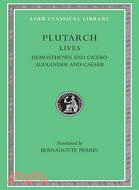
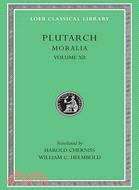
Plutarch (Plutarchus), ca. 45120 CE, was born at Chaeronea in Boeotia in central Greece, studied philosophy at Athens, and, after coming to Rome as a teacher in philosophy, was given consular r
Lucian (ca. 120190 CE), the satirist from Samosata on the Euphrates, started as an apprentice sculptor, turned to rhetoric and visited Italy and Gaul as a successful travelling lecturer, before
Lucian (ca. 120190 CE), the satirist from Samosata on the Euphrates, started as an apprentice sculptor, turned to rhetoric and visited Italy and Gaul as a successful travelling lecturer, before
Lucian (ca. 120190 CE), the satirist from Samosata on the Euphrates, started as an apprentice sculptor, turned to rhetoric and visited Italy and Gaul as a successful travelling lecturer, before
Lucian (ca. 120190 CE), the satirist from Samosata on the Euphrates, started as an apprentice sculptor, turned to rhetoric and visited Italy and Gaul as a successful travelling lecturer, before
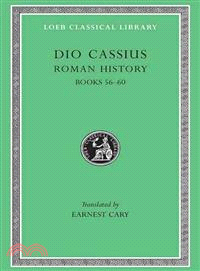
Dio Cassius (Cassius Dio), ca. 150 235 CE, was born at Nicaea in Bithynia in Asia Minor. On the death of his father (Roman governor of Cilicia) he went in 180 to Rome, entered the Senate, and u
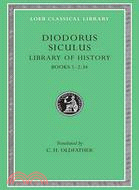
Diodorus Siculus, Greek historian of Agyrium in Sicily, ca. 8020 BCE, wrote forty books of world history, called Library of History, in three parts: mythical history of peoples, non-Greek and G
Diodorus Siculus, Greek historian of Agyrium in Sicily, ca. 8020 BCE, wrote forty books of world history, called Library of History, in three parts: mythical history of peoples, non-Greek and G
Dio Cassius (Cassius Dio), ca. 150? 235 CE, was born at Nicaea in Bithynia in Asia Minor. On the death of his father (Roman governor of Cilicia) he went in 180 to Rome, entered the Senate, and under t
Dio Cassius (Cassius Dio), ca. 150 235 CE, was born at Nicaea in Bithynia in Asia Minor. On the death of his father (Roman governor of Cilicia) he went in 180 to Rome, entered the Senate, and u
Plutarch (Plutarchus), ca. 45120 CE, was born at Chaeronea in Boeotia in central Greece, studied philosophy at Athens, and, after coming to Rome as a teacher in philosophy, was given consular r
Plutarch (Plutarchus), ca. 45120 CE, was born at Chaeronea in Boeotia in central Greece, studied philosophy at Athens, and, after coming to Rome as a teacher in philosophy, was given consular r