This volume collects the speeches of four orators involved in the ill-fated resistance of Athens to the power of Philip and Alexander the Great of Macedon.Lycurgus of Athens, ca. 396325 BCE, co
This is the first in a two-volume edition of Greek orators.Antiphon of Athens, born in 480 BCE, spent his prime in the great period of Athens but, disliking democracy, was himself an ardent oligarch
Thucydides of Athens, one of the greatest of historians, was born about 471 BCE. He saw the rise of Athens to greatness under the inspired leadership of Pericles. In 430, the second year of the Pelop
Thucydides of Athens, one of the greatest of historians, was born about 471 BCE. He saw the rise of Athens to greatness under the inspired leadership of Pericles. In 430, the second year of the Pelop
Thucydides of Athens, one of the greatest of historians, was born about 471 BCE. He saw the rise of Athens to greatness under the inspired leadership of Pericles. In 430, the second year of the Pelop
Plato of Athens, who laid the foundations of the Western philosophical tradition and in range and depth ranks among its greatest practitioners, was born to a prosperous and politically active family c
Aeschylus (ca. 525–456 BCE), the dramatist who made Athenian tragedy one of the world’s great art forms, witnessed the establishment of democracy at Athens and fought against the Persians at Marathon.
Aristophanes of Athens (ca. 446?386 BCE), one of the world's greatest comic dramatists, has been admired since antiquity for his iridescent wit and beguiling fantasy, exuberant language, and brilliant
Aristophanes of Athens (ca. 446386 BCE), one of the world's greatest comic dramatists, has been admired since antiquity for his iridescent wit and beguiling fantasy, exuberant language, and bri
Sophocles (497/6-406 BC), the second of the three great tragedians of Athens and by common consent one of the world's greatest poets, wrote more than 120 plays. Only seven of these survive complete,
One of Athens' greatest poets, Euripides has been prized in every age for the pathos, terror, surprising plot twists, and intellectual probing of his dramatic creations. Here are four of his plays in
Euripides of Athens (ca. 485406 BCE), famous in every age for the pathos, terror, surprising plot twists, and intellectual probing of his dramatic creations, wrote nearly ninety plays. Of these
Sophocles (497/6406 BCE), with Aeschylus and Euripides, was one of the three great tragic poets of Athens, and is considered one of the world's greatest poets. The subjects of his plays were dr
Sophocles (497/6406 BCE), with Aeschylus and Euripides, was one of the three great tragic poets of Athens, and is considered one of the world's greatest poets. The subjects of his plays were dr
Plato, the great philosopher of Athens, was born in 427 BCE. In early manhood an admirer of Socrates, he later founded the famous school of philosophy in the grove Academus. Much else recorded of his
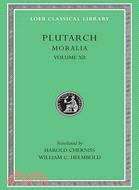
Plutarch (Plutarchus), ca. 45120 CE, was born at Chaeronea in Boeotia in central Greece, studied philosophy at Athens, and, after coming to Rome as a teacher in philosophy, was given consular r
Plato, the great philosopher of Athens, was born in 427 BCE. In early manhood an admirer of Socrates, he later founded the famous school of philosophy in the grove Academus. Much else recorded of his
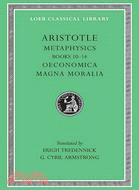
Aristotle, great Greek philosopher, researcher, reasoner, and writer, born at Stagirus in 384 BCE, was the son of Nicomachus, a physician, and Phaestis. He studied under Plato at Athens and taught th
Aristotle, great Greek philosopher, researcher, reasoner, and writer, born at Stagirus in 384 BCE, was the son of Nicomachus, a physician, and Phaestis. He studied under Plato at Athens and taught th
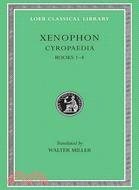
Xenophon (ca. 430 to ca. 354 BCE) was a wealthy Athenian and friend of Socrates. He left Athens in 401 and joined an expedition including ten thousand Greeks led by the Persian governor Cyrus against
Demosthenes (384322 BCE), orator at Athens, was a pleader in law courts who later became also a statesman, champion of the past greatness of his city and the present resistance of Greece to the
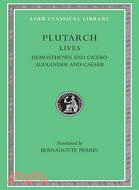
Plutarch (Plutarchus), ca. 45120 CE, was born at Chaeronea in Boeotia in central Greece, studied philosophy at Athens, and, after coming to Rome as a teacher in philosophy, was given consular r
Xenophon (ca. 430 to ca. 354 BCE) was a wealthy Athenian and friend of Socrates. He left Athens in 401 and joined an expedition including ten thousand Greeks led by the Persian governor Cyrus against
Plutarch (Plutarchus), ca. 45120 CE, was born at Chaeronea in Boeotia in central Greece, studied philosophy at Athens, and, after coming to Rome as a teacher in philosophy, was given consular r
Aristotle, great Greek philosopher, researcher, reasoner, and writer, born at Stagirus in 384 BCE, was the son of Nicomachus, a physician, and Phaestis. He studied under Plato at Athens and taught th
Plato, the great philosopher of Athens, was born in 427 BCE. In early manhood an admirer of Socrates, he later founded the famous school of philosophy in the grove Academus. Much else recorded of his
Aristotle, great Greek philosopher, researcher, reasoner, and writer, born at Stagirus in 384 BCE, was the son of Nicomachus, a physician, and Phaestis. He studied under Plato at Athens and taught th
Aristotle, great Greek philosopher, researcher, reasoner, and writer, born at Stagirus in 384 BCE, was the son of Nicomachus, a physician, and Phaestis. He studied under Plato at Athens and taught the
Demosthenes (384322 BCE), orator at Athens, was a pleader in law courts who later became also a statesman, champion of the past greatness of his city and the present resistance of Greece to the
Demosthenes (384322 BCE), orator at Athens, was a pleader in law courts who later became also a statesman, champion of the past greatness of his city and the present resistance of Greece to the
Lysias (ca. 458ca. 380 BCE), born at Athens, son of a wealthy Syracusan settled in Attica, lived in Peiraeus, where with his brother he inherited his father's shield factory. Being a loyal supp
Demosthenes (384322 BCE), orator at Athens, was a pleader in law courts who later became also a statesman, champion of the past greatness of his city and the present resistance of Greece to the
Demosthenes (384322 BCE), orator at Athens, was a pleader in law courts who later became also a statesman, champion of the past greatness of his city and the present resistance of Greece to the
Plato, the great philosopher of Athens, was born in 427 BCE. In early manhood an admirer of Socrates, he later founded the famous school of philosophy in the grove Academus. Much else recorded of his
Plutarch (Plutarchus), ca. 45120 CE, was born at Chaeronea in Boeotia in central Greece, studied philosophy at Athens, and, after coming to Rome as a teacher in philosophy, was given consular r
Plutarch (Plutarchus), ca. 45120 CE, was born at Chaeronea in Boeotia in central Greece, studied philosophy at Athens, and, after coming to Rome as a teacher in philosophy, was given consular r
Aristotle, great Greek philosopher, researcher, reasoner, and writer, born at Stagirus in 384 BCE, was the son of Nicomachus, a physician, and Phaestis. He studied under Plato at Athens and taught th
Callimachus of Cyrene, born ca. 310 BCE, after studying philosophy at Athens, became a teacher of grammar and poetry at Alexandria. Ptolemy II Philadelphus of Egypt (reigned 285247) made him wh
Plutarch (Plutarchus), ca. 45120 CE, was born at Chaeronea in Boeotia in central Greece, studied philosophy at Athens, and, after coming to Rome as a teacher in philosophy, was given consular r
Aristotle, great Greek philosopher, researcher, reasoner, and writer, born at Stagirus in 384 BCE, was the son of Nicomachus, a physician, and Phaestis. He studied under Plato at Athens and taught th