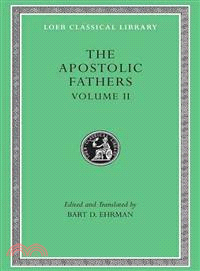
The writings of the Apostolic Fathers give a rich and diverse picture of Christian life and thought in the period immediately after New Testament times. Some of them were accorded almost Scriptural au
Aristotle, great Greek philosopher, researcher, reasoner, and writer, born at Stagirus in 384 BCE, was the son of Nicomachus, a physician, and Phaestis. He studied under Plato at Athens and taught th
Julian (Flavius Claudius Iulianus) "the Apostate", Roman Emperor, lived 331 or 332 to 363 CE. Born and educated in Constantinople as a Christian, after a precarious childhood he devoted himself to li
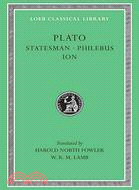
Plato, the great philosopher of Athens, was born in 427 BCE. In early manhood an admirer of Socrates, he later founded the famous school of philosophy in the grove Academus. Much else recorded of his
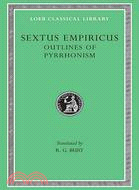
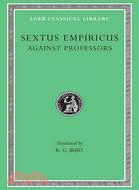
Sextus Empiricus (ca. 160210 CE), exponent of scepticism and critic of the Dogmatists, was a Greek physician and philosopher, pupil and successor of the medical sceptic Herodotus (not the histo
Sextus Empiricus (ca. 160210 CE), exponent of scepticism and critic of the Dogmatists, was a Greek physician and philosopher, pupil and successor of the medical sceptic Herodotus (not the histo
Sextus Empiricus (ca. 160210 CE), exponent of scepticism and critic of the Dogmatists, was a Greek physician and philosopher, pupil and successor of the medical sceptic Herodotus (not the histo
Sextus Empiricus (ca. 160210 CE), exponent of scepticism and critic of the Dogmatists, was a Greek physician and philosopher, pupil and successor of the medical sceptic Herodotus (not the histo
Plato of Athens, who laid the foundations of the Western philosophical tradition and in range and depth ranks among its greatest practitioners, was born to a prosperous and politically active family c
Aristotle, great Greek philosopher, researcher, reasoner, and writer, born at Stagirus in 384 BCE, was the son of Nicomachus, a physician, and Phaestis. He studied under Plato at Athens and taught th
Aristotle, great Greek philosopher, researcher, reasoner, and writer, born at Stagirus in 384 BCE, was the son of Nicomachus, a physician, and Phaestis. He studied under Plato at Athens and taught th
Aristotle, great Greek philosopher, researcher, reasoner, and writer, born at Stagirus in 384 BCE, was the son of Nicomachus, a physician, and Phaestis. He studied under Plato at Athens and taught th
Aristotle, great Greek philosopher, researcher, reasoner, and writer, born at Stagirus in 384 BCE, was the son of Nicomachus, a physician, and Phaestis. He studied under Plato at Athens and taught the
Aristotle, great Greek philosopher, researcher, reasoner, and writer, born at Stagirus in 384 BCE, was the son of Nicomachus, a physician, and Phaestis. He studied under Plato at Athens and taught th
Aristotle, great Greek philosopher, researcher, reasoner, and writer, born at Stagirus in 384 BCE, was the son of Nicomachus, a physician, and Phaestis. He studied under Plato at Athens and taught th
Aristotle, great Greek philosopher, researcher, reasoner, and writer, born at Stagirus in 384 BCE, was the son of Nicomachus, a physician, and Phaestis. He studied under Plato at Athens and taught th
Aristotle, great Greek philosopher, researcher, reasoner, and writer, born at Stagirus in 384 BCE, was the son of Nicomachus, a physician, and Phaestis. He studied under Plato at Athens and taught th
Aristotle, great Greek philosopher, researcher, reasoner, and writer, born at Stagirus in 384 BCE, was the son of Nicomachus, a physician, and Phaestis. He studied under Plato at Athens and taught th
Aristotle, great Greek philosopher, researcher, reasoner, and writer, born at Stagirus in 384 BCE, was the son of Nicomachus, a physician, and Phaestis. He studied under Plato at Athens and taught th
Aristotle, great Greek philosopher, researcher, reasoner, and writer, born at Stagirus in 384 BCE, was the son of Nicomachus, a physician, and Phaestis. He studied under Plato at Athens and taught th
Ovid (Publius Ovidius Naso, 43 BCE17 CE), born at Sulmo, studied rhetoric and law at Rome. Later he did considerable public service there, and otherwise devoted himself to poetry and to society
Ovid (Publius Ovidius Naso, 43 BCE17 CE), born at Sulmo, studied rhetoric and law at Rome. Later he did considerable public service there, and otherwise devoted himself to poetry and to society
Ovid (Publius Ovidius Naso, 43 BCE17 CE), born at Sulmo, studied rhetoric and law at Rome. Later he did considerable public service there, and otherwise devoted himself to poetry and to society
Hippocrates, said to have been born in Cos in or before 460 BCE, learned medicine and philosophy; travelled widely as a medical doctor and teacher; was consulted by King Perdiccas of Macedon and Arta
Bede 'the Venerable,' English theologian and historian, was born in 672 or 673 CE in the territory of the single monastery at Wearmouth and Jarrow. He was ordained deacon (6912) and priest (702
Hippocrates, said to have been born in Cos in or before 460 BCE, learned medicine and philosophy; travelled widely as a medical doctor and teacher; was consulted by King Perdiccas of Macedon and Arta
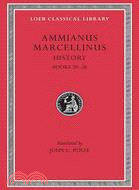
Ammianus Marcellinus, ca. 325ca. 395 CE, a Greek of Antioch, joined the army when still young and served under the governor Ursicinus and the emperor of the East Constantius II, and later under
Appian (Appianus) was a Greek official of Alexandria. He saw the Jewish rebellion of 116 CE, and later became a Roman citizen and advocate and received the rank of eques (knight). In his older years
Appian (Appianus) was a Greek official of Alexandria. He saw the Jewish rebellion of 116 CE, and later became a Roman citizen and advocate and received the rank of eques (knight). In his older years
Ammianus Marcellinus, ca. 325ca. 395 CE, a Greek of Antioch, joined the army when still young and served under the governor Ursicinus and the emperor of the East Constantius II, and later under
Ammianus Marcellinus, ca. 325ca. 395 CE, a Greek of Antioch, joined the army when still young and served under the governor Ursicinus and the emperor of the East Constantius II, and later under
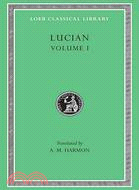
Satire blends with comic art in Lucian's tales, fantasies, and dialogues. With ebullient wit he mocks teachers of literature, the various philosophical schools, popular religions, historians and writ
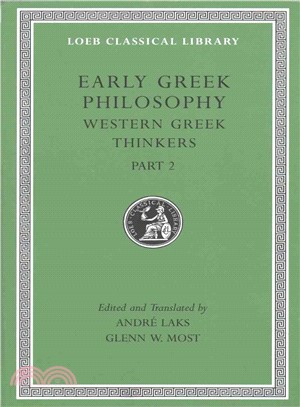
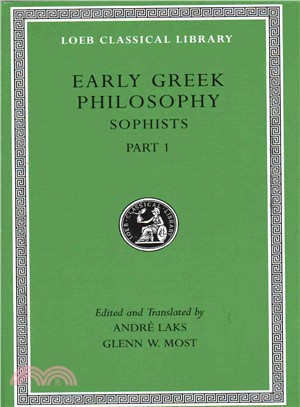
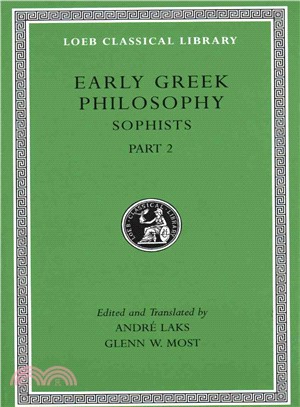
The fragments and testimonia of the early Greek philosophers (often labeled the Presocratics) have always been not only a fundamental source for understanding archaic Greek culture and ancient philoso
The fragments and testimonia of the early Greek philosophers (often labeled the Presocratics) have always been not only a fundamental source for understanding archaic Greek culture and ancient philoso
The fragments and testimonia of the early Greek philosophers (often labeled the Presocratics) have always been not only a fundamental source for understanding archaic Greek culture and ancient philoso
Roman secondary education aimed principally at training future lawyers and politicians. Under the late Republic and the Empire, the main instrument was an import from Greece: declamation, the making
Prudentius (Aurelius Prudentius Clemens) was born in 348 CE probably at Caesaraugusta (Saragossa) and lived mostly in northeastern Spain, but visited Rome between 400 and 405. His parents, presumably
Prudentius (Aurelius Prudentius Clemens) was born in 348 CE probably at Caesaraugusta (Saragossa) and lived mostly in northeastern Spain, but visited Rome between 400 and 405. His parents, presumably
Aristophanes of Athens (ca. 446?386 BCE), one of the world's greatest comic dramatists, has been admired since antiquity for his iridescent wit and beguiling fantasy, exuberant language, and brilliant
Aristophanes of Athens (ca. 446386 BCE), one of the world's greatest comic dramatists, has been admired since antiquity for his iridescent wit and beguiling fantasy, exuberant language, and bri