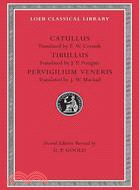
Catullus (Gaius Valerius, 8454 BCE), of Verona, went early to Rome, where he associated not only with other literary men from Cisalpine Gaul but also with Cicero and Hortensius. His surviving p
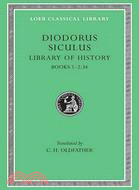
Diodorus Siculus, Greek historian of Agyrium in Sicily, ca. 8020 BCE, wrote forty books of world history, called Library of History, in three parts: mythical history of peoples, non-Greek and G
Diodorus Siculus, Greek historian of Agyrium in Sicily, ca. 8020 BCE, wrote forty books of world history, called Library of History, in three parts: mythical history of peoples, non-Greek and G
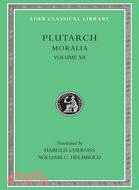
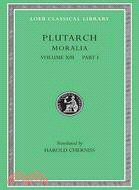
Plutarch (Plutarchus), ca. 45120 CE, was born at Chaeronea in Boeotia in central Greece, studied philosophy at Athens, and, after coming to Rome as a teacher in philosophy, was given consular r
Arrian's Anabasis of Alexander in seven books is the best account we have of Alexander's adult life. Indica, a description of India and of Nearchus's voyage therefrom, was to be a supplement.A studen
This volume contains the poetic fragments of the two illustrious singers of early sixth-century Lesbos: Sappho, the most famous woman poet of antiquity, whose main theme was love; and Alcaeus, poet o
Plutarch (Plutarchus), ca. 45120 CE, was born at Chaeronea in Boeotia in central Greece, studied philosophy at Athens, and, after coming to Rome as a teacher in philosophy, was given consular r
Plutarch (Plutarchus), ca. 45120 CE, was born at Chaeronea in Boeotia in central Greece, studied philosophy at Athens, and, after coming to Rome as a teacher in philosophy, was given consular r
Plutarch (Plutarchus), ca. 45120 CE, was born at Chaeronea in Boeotia in central Greece, studied philosophy at Athens, and, after coming to Rome as a teacher in philosophy, was given consular r
Plutarch (Plutarchus), ca. 45120 CE, was born at Chaeronea in Boeotia in central Greece, studied philosophy at Athens, and, after coming to Rome as a teacher in philosophy, was given consular r
Plutarch (Plutarchus), ca. 45120 CE, was born at Chaeronea in Boeotia in central Greece, studied philosophy at Athens, and, after coming to Rome as a teacher in philosophy, was given consular r
Plutarch (Plutarchus), ca. 45120 CE, was born at Chaeronea in Boeotia in central Greece, studied philosophy at Athens, and, after coming to Rome as a teacher in philosophy, was given consular r
Plutarch (Plutarchus), ca. 45120 CE, was born at Chaeronea in Boeotia in central Greece, studied philosophy at Athens, and, after coming to Rome as a teacher in philosophy, was given consular r
Diodorus Siculus, Greek historian of Agyrium in Sicily, ca. 8020 BCE, wrote forty books of world history, called Library of History, in three parts: mythical history of peoples, non-Greek and G
Diodorus Siculus, Greek historian of Agyrium in Sicily, ca. 8020 BCE, wrote forty books of world history, called Library of History, in three parts: mythical history of peoples, non-Greek and G
Diodorus Siculus, Greek historian of Agyrium in Sicily, ca. 8020 BCE, wrote forty books of world history, called Library of History, in three parts: mythical history of peoples, non-Greek and G
Diodorus Siculus, Greek historian of Agyrium in Sicily, ca. 8020 BCE, wrote forty books of world history, called Library of History, in three parts: mythical history of peoples, non-Greek and G
Diodorus Siculus, Greek historian of Agyrium in Sicily, ca. 8020 BCE, wrote forty books of world history, called Library of History, in three parts: mythical history of peoples, non-Greek and G
Diodorus Siculus, Greek historian of Agyrium in Sicily, ca. 8020 BCE, wrote forty books of world history, called Library of History, in three parts: mythical history of peoples, non-Greek and G
Plutarch (Plutarchus), ca. 45120 CE, was born at Chaeronea in Boeotia in central Greece, studied philosophy at Athens, and, after coming to Rome as a teacher in philosophy, was given consular r
Plutarch (Plutarchus), ca. 45120 CE, was born at Chaeronea in Boeotia in central Greece, studied philosophy at Athens, and, after coming to Rome as a teacher in philosophy, was given consular r
Plutarch (Plutarchus), ca. 45120 CE, was born at Chaeronea in Boeotia in central Greece, studied philosophy at Athens, and, after coming to Rome as a teacher in philosophy, was given consular r
Plutarch (Plutarchus), ca. 45120 CE, was born at Chaeronea in Boeotia in central Greece, studied philosophy at Athens, and, after coming to Rome as a teacher in philosophy, was given consular r
Diodorus Siculus, Greek historian of Agyrium in Sicily, ca. 80?20 BCE, wrote forty books of world history, called Library of History, in three parts: mythical history of peoples, non-Greek and Greek,
Plutarch (Plutarchus), ca. 45120 CE, was born at Chaeronea in Boeotia in central Greece, studied philosophy at Athens, and, after coming to Rome as a teacher in philosophy, was given consular r
Plutarch (Plutarchus), ca. 45120 CE, was born at Chaeronea in Boeotia in central Greece, studied philosophy at Athens, and, after coming to Rome as a teacher in philosophy, was given consular r
Augustinus (354430 CE), son of a pagan, Patricius of Tagaste in North Africa, and his Christian wife Monica, while studying in Africa to become a rhetorician, plunged into a turmoil of philosop
Diodorus Siculus, Greek historian of Agyrium in Sicily, ca. 8020 BCE, wrote forty books of world history, called Library of History, in three parts: mythical history of peoples, non-Greek and G
Plutarch (Plutarchus), ca. 45120 CE, was born at Chaeronea in Boeotia in central Greece, studied philosophy at Athens, and, after coming to Rome as a teacher in philosophy, was given consular r
Plutarch (Plutarchus), ca. 45120 CE, was born at Chaeronea in Boeotia in central Greece, studied philosophy at Athens, and, after coming to Rome as a teacher in philosophy, was given consular r
Augustinus (354430 CE), son of a pagan, Patricius of Tagaste in North Africa, and his Christian wife Monica, while studying in Africa to become a rhetorician, plunged into a turmoil of philosop
Augustinus (354430 CE), son of a pagan, Patricius of Tagaste in North Africa, and his Christian wife Monica, while studying in Africa to become a rhetorician, plunged into a turmoil of philosop
Plotinus (204/5-270 CE) was the first and greatest of Neoplatonic philosophers. His writings were edited by his disciple Porphyry, who published them many years after his master's death in six sets o
Plotinus (204/5-270 CE) was the first and greatest of Neoplatonic philosophers. His writings were edited by his disciple Porphyry, who published them many years after his master's death in six sets o
Plotinus (204/5-270 CE) was the first and greatest of Neoplatonic philosophers. His writings were edited by his disciple Porphyry, who published them many years after his master's death in six sets o
Plotinus (204/5-270 CE) was the first and greatest of Neoplatonic philosophers. His writings were edited by his disciple Porphyry, who published them many years after his master's death in six sets o
Plotinus (204/5-270 CE) was the first and greatest of Neoplatonic philosophers. His writings were edited by his disciple Porphyry, who published them many years after his master's death in six sets o
Polybius (born ca. 208 BCE) of Megalopolis in the Peloponnese (Morea), served the Achaean League in arms and diplomacy for many years, favouring alliance with Rome. From 168 to 151 he was hostage in
Polybius (born ca. 208 BCE) of Megalopolis in the Peloponnese (Morea), served the Achaean League in arms and diplomacy for many years, favouring alliance with Rome. From 168 to 151 he was hostage in
This volume collects the speeches of four orators involved in the ill-fated resistance of Athens to the power of Philip and Alexander the Great of Macedon.Lycurgus of Athens, ca. 396325 BCE, co