Australia and the Great War explores both the immediate and long-term consequences of the war on this complex relationship, looking in particular at identity, history, gender, propaganda, economics an
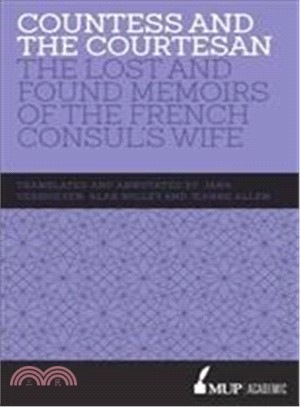
Céleste de Chabrillan, former courtesan and widow of the first French Consul to Melbourne, became the most prolific female stage writer in nineteenth-century France. Forever haunted by her scandalous
Steel Town illuminates our understanding of the processes of industrial and social change. Port Kembla was unique in Australian terms - an urban environment where industrial society shaped local life
Reflecting 50 years of friendship, these letters record a lively conversation between two equally strong female writers; both relished the play and beauty of words, and their first and most powerful l
Drawing on research, policy, and practice, Australian education scholars explore the evolving purposes of schooling, new pathways to student achievement, the role and impact of teachers, and challe
Readable and authoritative work of reference which provides readers with a biographical account of all Australian senators and senate clerks, and a history of the Senate since 1901.
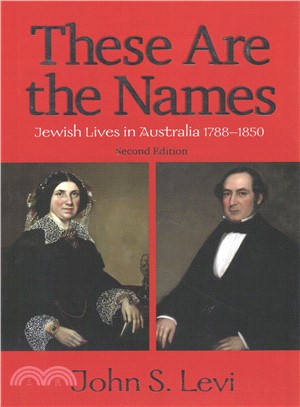
Between 1788 and 1850, more than 1500 Jewish men and women were either transported to Australia as convicts or arrived as free settlers. This important biographical dictionary presents the details—o
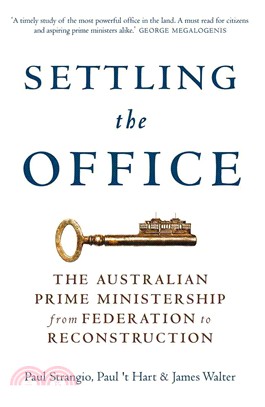
The prime ministership is indisputably the most closely observed and keenly contested office in Australia. How did it grow to become the pivot of national political power? Settling the Office chronicl
B.A. (Bob) Santamaria was perhaps the most controversial figure in recent Australian politics. An anti-Communist and devout Catholic, he was also one of the most prolific writers in Australia’s histor
The Australian Greens played a pivotal role after the 2010 federal election. It ensured the Gillard minority government went full term and won its first House of Representatives seat.But what do we re
By the end of the First World War the combat formations of the Australian Imperial Force (AIF) in both France and the Middle East were considered among the British Empire's most effective troops. Whil