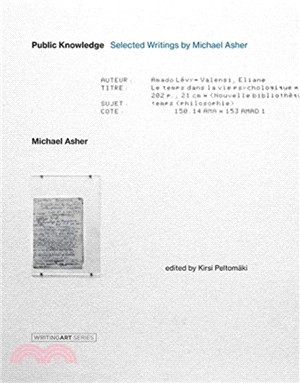
Writings by the conceptual artist Michael Asher-including notes, proposals, exhibition statements, and letters to curators and critics-most published here for the first time. The California conceptu
Essays, project plans, and correspondence from across Nam Jun Paik's career, much of it previously out of print or unpublished. Nam June Paik (1932-2006) is a pivotal figure in the history of modern
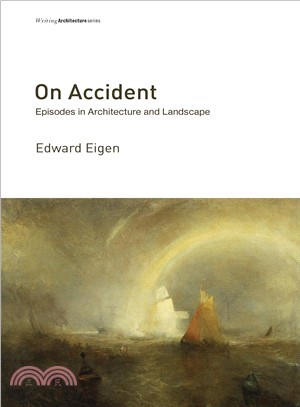
Engaging essays that roam across uncertain territory, in search of sunken forests, unclassifiable islands, inflammable skies, plagiarized tabernacles, and other phenomena missing from architectural hi
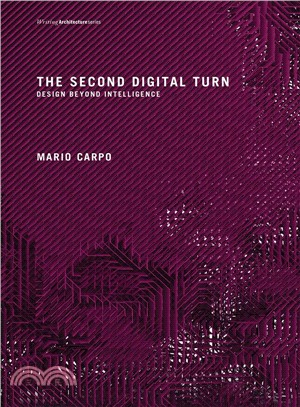
Almost a generation ago, the early software for computer aided design and manufacturing (CAD/CAM) spawned a style of smooth and curving lines and surfaces that gave visible form to the first digital a
Hans Haacke's art articulates the interdependence of multiple elements. An artwork is not merely an object but is also its context -- the economic, social, and political
Trained as an art historian but viewing architecture from the perspective of a "displaced philosopher," Hubert Damisch in these essays offers a meticulous parsing of language and structure t
Jack Burnham is one of the few critics and theorists alive today who can claim to have radically altered the way we think about works of art. Burnham's use of the term "system" (borr
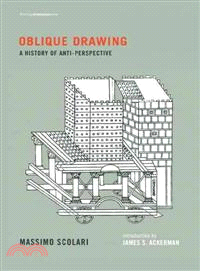
For more than half a century, Erwin Panofsky's Perspective as Symbolic Form has dominated studies of visual representation. Despite the hegemony of central projection, or perspective, other equally im
As Hollis Frampton's photographs and celebrated experimental films were testing the boundaries of "the camera arts" in the 1960s and 1970s, his provocative and highly literate writin
If you're interested in Plato, you're reading the wrong book. If you're interested indifficult childhoods, sexual misadventures, aesthetics, cultural history, and the reasons that aclub sandwich and o
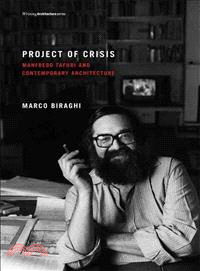
The influential Italian architectural historian Manfredo Tafuri (1935--1994) invokedthe productive possibilities of crisis, writing that history is a "project of crisis" (progetto di crisi). In this e
Jeffrey Kipnis's writing, thinking, and teaching casts architecture as both anintellectual discourse and a lived, affective experience. His essays on contemporary architects areless about making criti
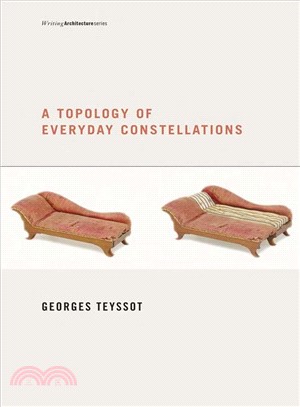
Today, spaces no longer represent a bourgeois haven; nor are they the sites of a classical harmony between work and leisure, private and public, the local and the global. The house is not merely a hom
For more than half a century, Erwin Panofsky's Perspective as SymbolicForm has dominated studies of visual representation. Despite the hegemony of centralprojection, or perspective, other equally impo
In 2006, even though he could barely type, China's most famous artist startedblogging. For more than three years, Ai Weiwei turned out a steady stream of scathing socialcommentary, criticism of govern
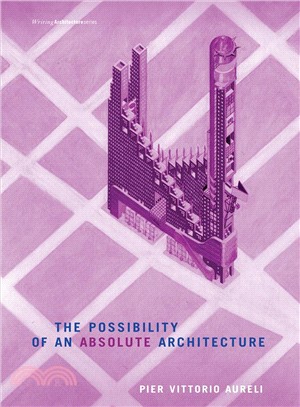
The Possibility of an Absolute Architecture Pier Vittorio AureliIn The Possibility of an Absolute Architecture. Pier Vittorio Aureli proposes that a sharpened formal consciousness in architecture is a
Digital technologies have changed architecture--the way it is taught, practiced, managed, and regulated. But if the digital has created a "paradigm shift" for architecture, which paradigm is shifting?
While it is widely recognized that the advanced architecture of the 1970s left a legacy of experimentation and theoretical speculation as intense as any in architecture's history, there has been no g
As Hollis Frampton's photographs and retreated experimental films were testing the boundaries of the camera arts in the 1960s and 1970s, his provocative and highly literate writings were alternating t
Artist Mel Bochner became a writer, he says, almost by accident. In 1965, as a youngartist in New York, he was out of a job; Arts Magazine paid him $2.50 for every review he turnedin, whether they pub
How the different narratives of four historians of architectural modernism—Emil Kaufmann, Colin Rowe, Reyner Banham, and Manfredo Tafuri—advanced specific versions of modernism.
Andrea Fraser's work, writes Pierre Bourdieu in his foreword to Museum Highlights, is able to "trigger a social mechanism, a sort of machine infernale whose operation causes the hidden truth of social
In Strange Details, Michael Cadwell looks at the work of four canonical architects who "made strange" with the most resistant aspect of architecture: construction. In buildings that were pivotal in t
In her thoughtful collection of essays on the relationship of architecture and the arts, Giuliana Bruno addresses the crucial role that architecture plays in the production of art and the making of p
Pioneering conceptual artist Vito Acconci began his career as a poet. In the 1960s, before beginning his work in performance and video art, Acconci studied at the Iowa Writers Workshop and published p
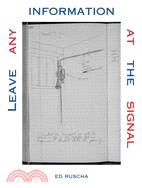
Ed Ruscha is among the most innovative artists of the last forty years. He is also one of the first Americans to introduce a critique of popular culture and an examination of language into the visual
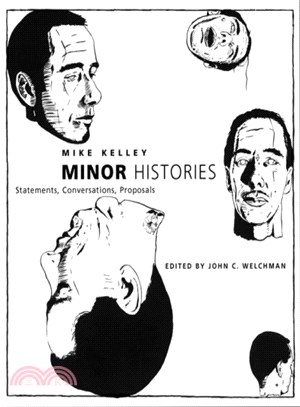
What John C. Welchman calls the "blazing network of focused conflations" from whichMike Kelley's styles are generated is on display in all its diversity in this second volume of theartist's writings.
What John C. Welchman calls the "blazing network of focused conflations" from whichMike Kelley's styles are generated is on display in all its diversity in this second volume of theartist's writings.
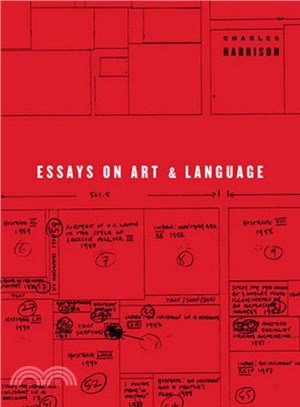
These essays by art historian and critic Charles Harrison are based on the premisethat making art and talking about art are related enterprises. They are written from the point ofview of Art & Lan
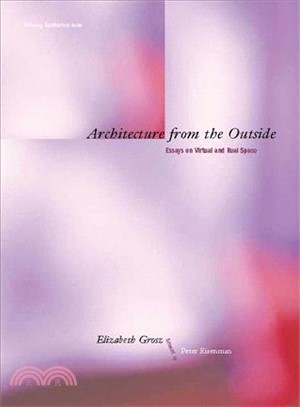
To be outside allows one a fresh perspective on the inside. In these essays, philosopher Elizabeth Grosz explores the ways in which two disciplines that are fundamentally outside each another—a
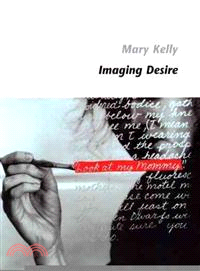
Imaging Desire, Mary Kelly's long-awaited collection of writings from 1976 to 1995,asks fundamental questions about the analysis of current practices in art and makes rigorousarguments for a criticism
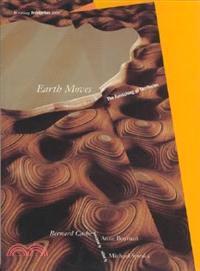
Earth Moves, Bernard Cache's first major work, conceptualizes a series of architectural images as vehicles for two important developments. First, he offers a new understanding of the architectural ima
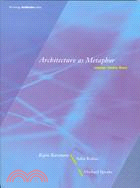
Kojin Karatani, Japan's leading literary critic, is perhaps best known for his imaginative readings of Shakespeare, Soseki, Marx, Wittgenstein, and most recently Kant. His works, of which Origins of
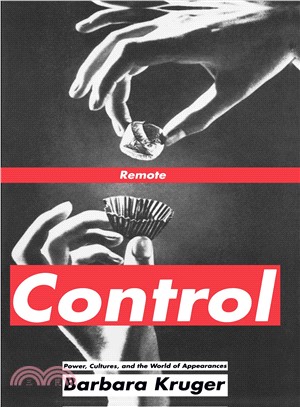
Who speaks? Who is silent? Who is seen? Who is absent? These questions focus on how cultures are constructed through pictures and words, how we are seduced into a world of appearances: into a pose of
The poems of John Hejduk are almost nonpoetic: still lives of memory, sites of possessed places. They give a physical existence to the words themselves and an autobiographical dimension to the archite
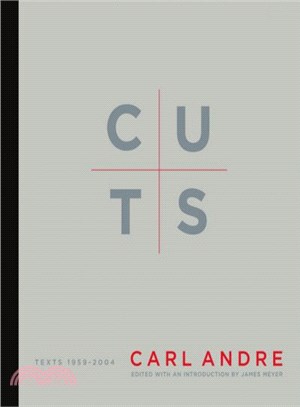
Just as Carl Andre's sculptures are "cuts" of elemental materials, his writings arecondensed expressions, "cuts" of language that emphasize the part rather than the whole. Andre, acentral figure in mi