Bruce Grant was raised in outback Western Australia but lived and worked at or near the centre of power in Australia for several decades, as journalist and foreign correspondent, diplomat, and advisor
This collection of essays by established and emerging scholars of Australian publishing examines the industry in the wake of both the Global Financial Crisis of 2008 and the various shocks and upheava
Required Reading examines for the first time what students have read and studied in the disciplines of English and literary studies at Australian schools and universities after 1945. On the basis of t
Visier Meyasetsu Sanyu, his family and fellow villagers of Khonoma, fled for their lives to the jungles of Nagaland in 1956. He and his family survived privations and starvation for over two years, th
"Like the backyard inventers whose stories she chronicles, Katherine Wilson exudes intelligence, curiosity and skills acquired from a range of disciplines. Smart, relevant and witty, Tinkering introdu
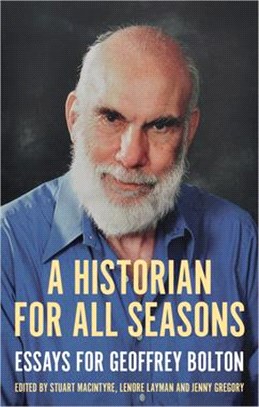
Geoffrey Bolton was the most versatile and widely travelled of his generation of Australian historians. As a scholar, teacher, and commentator he enriched understanding of the country's regional mosai
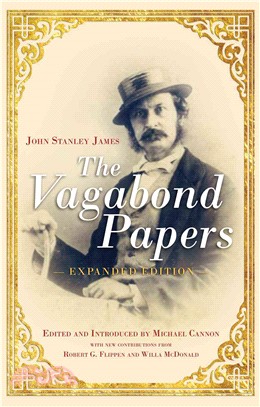
Australian life has never had a chronicler quite like the Vagabond. Renowned as journalist and 'eminently unconventional character', he suffered extremes of poverty and prosperity. These enabled him t
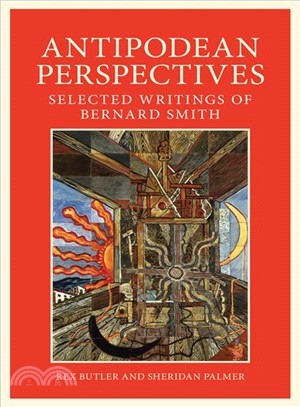
Bernard Smith (1916-2011) was unquestionably one of Australia's greatest humanist scholars and its finest art historian. His European Vision and the South Pacific, 1768-1850 (1960) was a foundational
Within the past 15 years, the field of archival studies around the world has experienced unprecedented growth, both within the academy and the profession, and archival studies graduate education progr
South Pacific Museums: Experiments in Culture is a collection of outstanding analyses of museums in the South Pacific, written by cultural, museum and architectural critics, and historians. A series o
Much of the scholarship on the Great War, and especially the Dardanelles/Canakkale campaign, has been viewed through a narrow national prism and focused exclusively on military aspects of the engageme
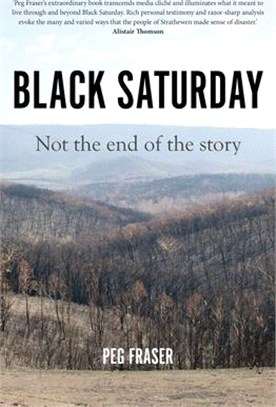
One hundred and seventy-three people lost their lives in the Victorian bushfires of February 2009, the greatest number from any bushfire event in this nation’s history. The memories and thoughts
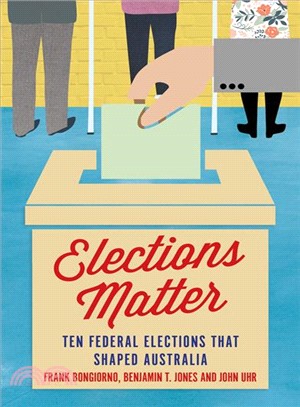
In a world of fake news and populist politics, elections can seem like theatre. With growing rates of informal votes and a perceived narrowing of differences between the major parties, do Australian e
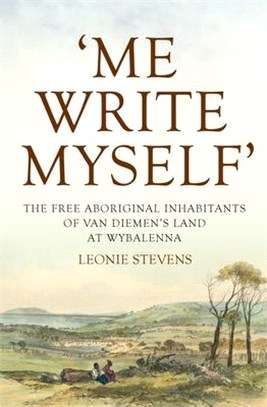
Exiles, lost souls, remnants of a dying race: the fate of the First Nations peoples of Van Diemen's Land is one of the most infamous chapters in Australian, and world, history. The men, women and chil
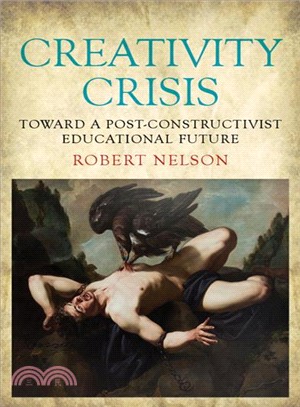
In Creativity Crisis Robert Nelson argues that university education is systematically uncreative and suggests how this might be changed. Constructive alignment, the centrepiece of today's university p
"A perceptive, balanced, wide-ranging interpretation of the evolution of modern Australia which is both erudite and well-written."--Duncan Bythell ***John Rickard's Australia: A Cultural History, firs
One of Australia’s leading scholars and a highly distinguished professor of history, Marilyn Lake forged a career that spanned several decades across a number of universities. Her books have significa
"Without the adequate presence of Recordkeeping Informatics that produce evidence of actions we will be left with information sludge and an environment of increasing chaos-an environment that places u
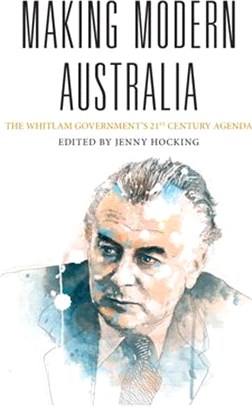
The changes we have made will remain-like all great Labor legislation-permanent landmarks in our history.--Gough Whitlam ***The Whitlam government propelled Australia out of the presumptions and certa
For more than forty years, readers of The Age newspaper have learned about the latest films through the interpretations and judgements of Brian McFarlane, now himself a Melbourne institution of sorts.
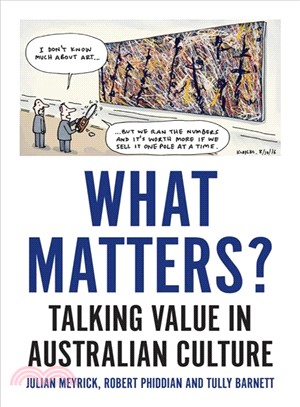
Too often, cultural leaders and policy makers want to chase the perfect metric for activities whose real worth lies in our own personal experience. The major problem facing Australian culture today is
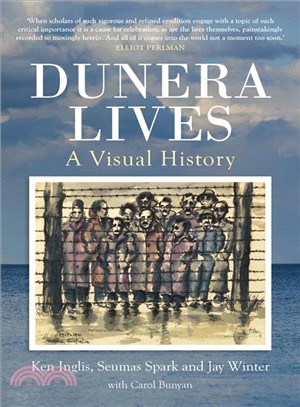
"When scholars of such rigorous and refined erudition engage with a topic of such critical importance it is a cause for celebration, as are the lives themselves, painstakingly recorded so movingly her
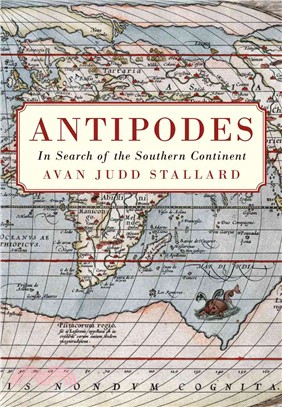
Antipodes: In Search of the Southern Continent is a new history of an ancient geography. It reassesses the evidence for why Europeans believed a massive southern continent existed, and why they advoca
Fifty years ago, a group of striking Aboriginal stockmen in the remote Northern Territory of Australia heralded a revolution in the cattle industry and a massive shift in Aboriginal affairs. Now, afte
The twelfth edition of Monash University's creative writing annual features work by established and emerging writers on the theme of Futures: What has been; what is now; what is coming. Futures are a
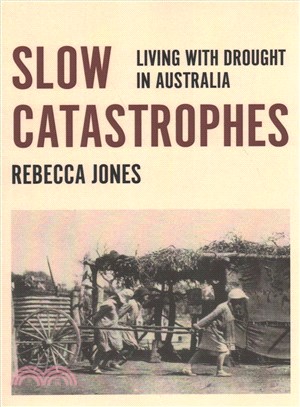
Living with drought is one of the biggest issues of our time. Climate change scenarios suggest that in the next fifty years, global warming will increase both the frequency and severity of these pheno
In 1969, car crashes killed over 1000 Victorians. By 2016, the fatality rate had been cut by 85%, and Victorians are now taking seriously the goal of eliminating death on the roads altogether. This ex
Best known for his radical land art of the 1960s and early 1970s, Robert Smithson (1938-1973) is now widely recognised as one of the most influential artists of the twentieth century. Presenting new r
In 1999, in the midst of the conflict that caused great suffering, when many people were trapped and 'forced' to be directly or indirectly involved in the raging violence, not a few Moluccans in their
Writing for Raksmey tells of the lives of six families who fled the aftermath of the Cambodian killing fields, were held in a crowded refugee camp at the border of their country, and then sent back to
They came from an old world to a new land. The Yiddish speakers from Eastern Europe brought few material possessions but clung to a language and a culture that defined who they were, a way of life tha
I really like the idea that in maybe a hundred years someone could listen and hear about my life to learn about what living in 2012 or 2013 was like. Think that's really cool.--Adam-Farrow-Palmer, bor