This new offering in the comprehensive collection of Panikkar’s work is the first of two volumes that bring together the English-language version of Panikkar’s important work on Cultures and Religions
An anthology of inspired readings from cherished writers to enrich you every day of the seasonFrom the first day of Advent through Christmas Eve to the Epiphany, these 45 readings from beloved writers
This English-language second volume of Raimon Panikkar's Opera Omnia offers Panikkar's reflections on religion in our era as well as in many other historical epochs: He defines religion loosely as "th
This new offering in the complete works of the internationally renowned philosopher of religion Raimon Panikkar brings together in the second of two volumes the English-language version of Panikkar’s
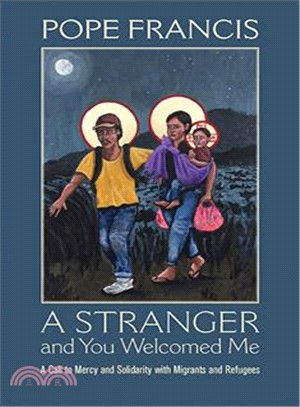
This collection of the Pope’s writings and talks on the plight of migrants and refugees shows his deep knowledge and concern. It points out how followers of Christ are obliged to understand the root c
Habito (world religions & spirituality, Southern Methodist U.) presents a comparative reading of St. Ignatius's "spiritual exercises" in light of Zen practice. He considers them as complementary t
"What are Christians to make of their mission in an pluralistic world?" asks Paul F. Knitter, author of the landmark work in interfaith dialogue No Other Name? As a recognized scholar and participant
Perfect for undergraduates, this interdisciplinary work brings together texts from traditions both sacred and secular, exploring the various uses of myth, archetype, parable, and poetry in the Bible a
Kadowaki (philosophy, U. of Sophia, Tokyo) grew up in a Zen Buddhist tradition and later became a Jesuit. His reflections on how the two enlighten each other was published by Shunjusa, Tokyo in 1977 a
A controversial take on the Gospel of Matthew applies the text to history and discusses its implications for political power and spirituality. Original.
Ecclesiologists and other experts from around the world address various forms of exclusion in the Catholic Church. These essays address the many forms of exclusion in churches around the world, with a
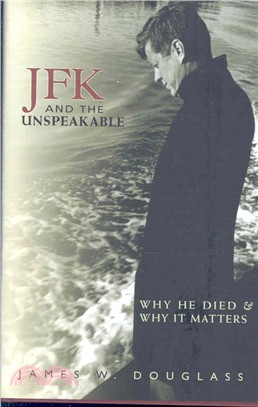
Douglass (a longtime peace activist with the Catholic Workers) borrows the term "the Unspeakable" from Catholic philosopher Thomas Merton in order to point towards a form of systemic evil that he beli