The Tribal Hidage, attributed to the 7th century, records the named groups and polities of early Anglo-Saxon England and the taxation tribute due from their lands and surpluses. Whilst providing some
Geoffrey Killen present three volumes on the forms of furniture used in ancient Egypt. Volumess 1 and are revised and updated editions on the history and development of common forms of furniture used
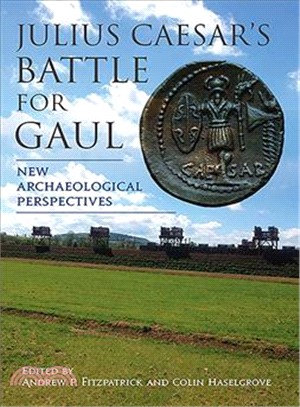
Between 58 and 51 BC Julius Caesar conquered Gaul. He campaigned across much of present day France and the Low Countries, crossed the Rhine to Germany, and sailed the Channel to invade Britain. In doi
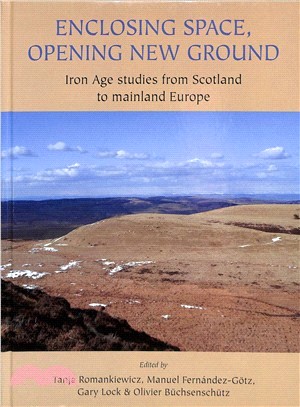
Enclosures are among the most widely distributed features of the European Iron Age. From fortifications to field systems, they demarcate territories and settlements, sanctuaries and central places, bu
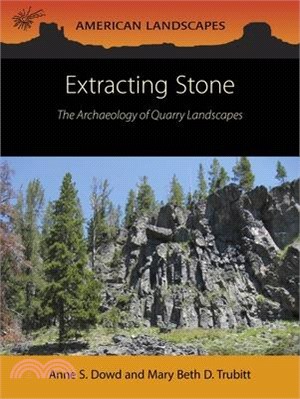
This exciting new addition to the the American Landscapes series provides an in-depth account of how flintknappers obtained and used stone based on archaeological, geological, landscape, and anthropol
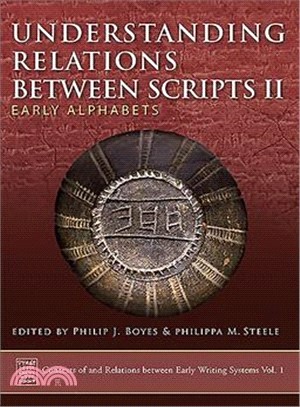
Understanding Relations Between Scripts examines the writing systems of the ancient Aegean and Cyprus in the second and first millennia BC, principally Cretan ‘Hieroglyphic', Linear A, Linear B, Cypro
A specialist in Neanderthal colonization, adaptation, and surviorship at the northwestern edge of their range, Scott (British Museum) argues that the hominids who lived in Britain and continental Euro
This volume had its inception at a session of the eleventh annual conference of the European Association of Archaeologists. Murphy (geology, archaeology and paleoecology, Belfast University) and her c
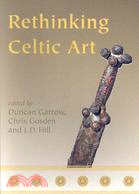
The papers in this collection first appeared and at 2006 Oxford conference on Celtic art. The editors, Garrow (archaeology, University of Reading), Gosden (archaeology, Oxford) and Hill, of the Britis
The Byzantine cathedral of Hagia Sophia has been a source of wonder and fascination since its sixth-century construction. It was the premier monument of the Byzantine capital, Constantinople, and rema
Contexts of and Relations between Early Writing Systems (CREWS) is a project funded by the European Research Council under the European Union’s Horizon 2020 research and innovation programme (gr
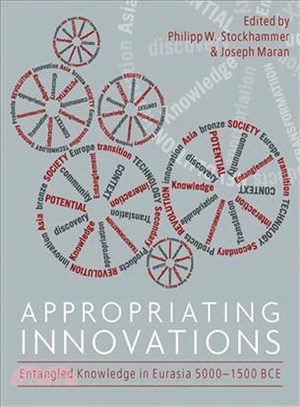
The question of how to conceptualize the role of technological innovations is of crucial importance for understanding the mechanisms and rhythms of long-term cultural change in prehistoric and early h
As medieval England's economy grew, and ever more remote areas began to trade goods and services, it became increasingly obvious that such items as chickens were unreliable forms of exchange. Followin
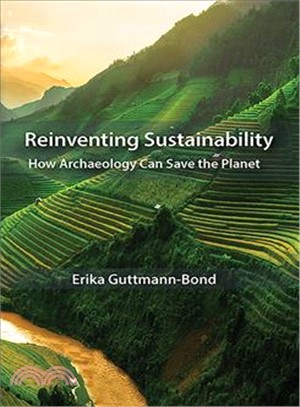
This book is about sustainable agriculture and architecture in the past and the engineering works that supported them, but it also looks to the future. Ancient technologies are what engineers define a
Major recent excavations, have shed much light on the complexity of Iron Age society and religion in southern Palestine, a region where both Judeans and Edomites lived. However, it is not clear whethe
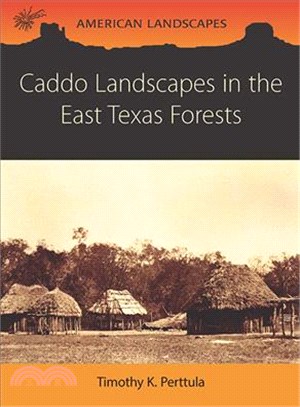
In this major, highly illustrated, new study Tim Perttula explores the cultural and social landscape of the Caddo Indian peoples (hayaanuh) for about 1000 years between c. 900 and 1900 AD. There were
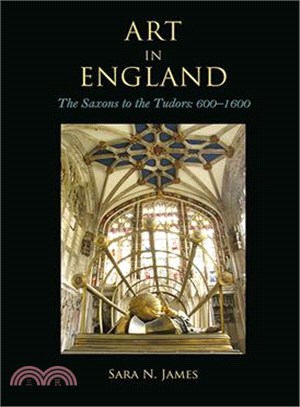
Art in England fills a void in the scholarship of both English and medieval art by offering the first single volume overview of artistic movements in Medieval and Early Renaissance England. Grounded i
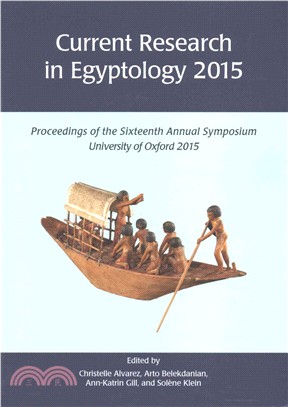
The sixteenth Current Research in Egyptology (CRE) conference was held from the 15-18 April 2015 at the University of Oxford and once again provided a platform for postgraduates and early career Egypt
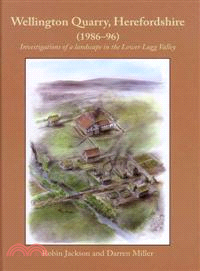
Archaeologists and other people involved with the project discuss the long history of human activity on the flood plains of the River Lugg that was revealed by the evaluation and salvage recording at
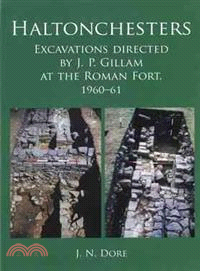
This monograph by archaeologist and author Dore (1951-2008) is a report on archaeological excavations conducted at the Roman fort on Hadrian's Wall at Haltonchesters in 1960 and 1961. It contains an e
Richard Hattatt's collection of brooches ranges from the Iron Age to the Middle Ages, though most were Roman and Romano-British. Between 1982 and 1989 he wrote four books illustrating all the brooches
As the founder of the longest-lasting of all the Hellenistic kingdoms, not only was Ptolemy I an able soldier and ruler, he was also an historian and, in Egyptian eyes, a living god. His own inclinati
"There is a growing trend among archaeologists to re-create artefacts and actions at a 1:1 scale in order to answer questions and gain new insights into the past. In November 2007, the University of E
The Archaeological Investigations Project (AIP), funded by English Heritage, systematically collected information about the nature and outcomes of more than 86,000 archaeological projects undertaken b
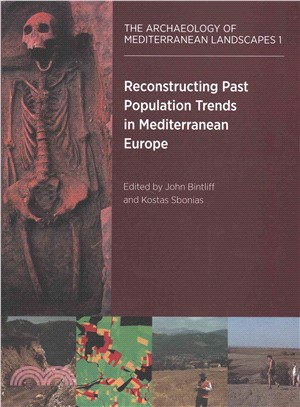
Archaeology of Populus Monograph in Archaeology of Mediterranean Landscapes Series. Population trends and demographics in general are discussed through a variety of case studies b
"Late Bronze Age Aegean cooking vessels illuminate prehistoric cultures, foodways, social interactions, and communication systems. While many scholars have focused on the utility of painted fineware v
This latest volume in the TRAC Themes in Theoretical Roman Archaeology series takes up posthuman theoretical perspectives to interpret Roman material culture. These perspectives provide novel and com
The interpretation of archaeological remains as farmsteads has met with much debate in scholarship regarding their role, identification, and even their existence. Despite the difficult nature of schol
"This volume brings together an international group of researchers to address how Mycenaean and Minoan states controlled the economy. The contributions, originally delivered at the 2007 Langford Confe
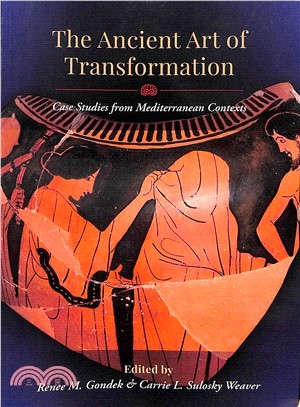
The Ancient Art of Transformation: Case Studies from Mediterranean Contexts examines instances of human transformation in the ancient and early Christian Mediterranean world by exploring the ways in w
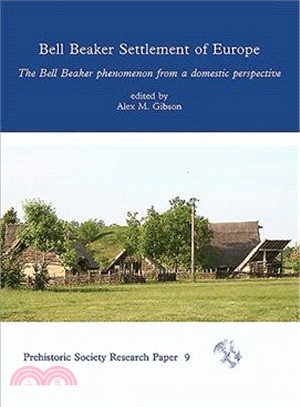
European studies of the Bell Beaker phenomenon have concentrated on burial and artefacts that constitute its the most visible aspects. This volume concentrates on the domestic sphere – assemblag
Presents an individual and thought-provoking exploration of who wrote the Bible (or, indeed Bibles), re-examining the documented evidence for possible individual authors set against the personal, reli
Essays describing recent research and new discoveries of Hellenistic sculpture, based on papers presented at an international conference at the American School of Classical Studies at Athens in 199
Taphonomic studies are a major methodological advance, the effects of which have been felt throughout archaeology. Zooarchaeologists and archaeobotanists were the first to realise how vital it was to
Western Iberia has one of the richest inventories of Neolithic chambered tombs in Atlantic Europe, with particular concentrations in Galicia, northern Portugal and the Alentejo. Less well known is the
As a result of recent methodological and theoretical developments in approaches to the human body in archaeological contexts, the theme has recently become a particularly dynamic research area. This v
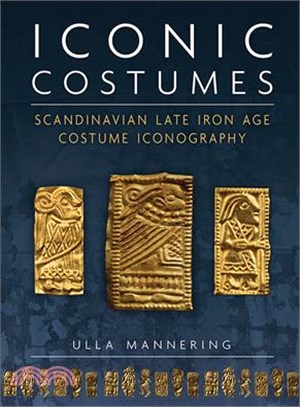
This richly illustrated book presents a selection of the rich and varied iconographic material from the Scandinavian Late Iron Age (AD 400-1050) depicting clothed human figures, from an archaeological
Textile technology is older than any other ancient craft and is an instance of cognitive archaeology that provides vital information about society. In ancient Greece, textiles were considered among th
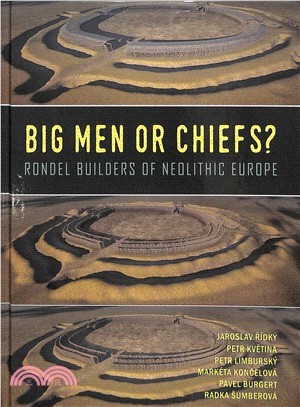
If there is a feature of the Central European Neolithic period that deserves increased attention of researchers and all those with interest in prehistory, it is circular architecture of the dimensions
This volume presents a collection of papers focusing on archaeological approaches to landscape in the context of the adoption of agriculture in Southwest Asia and Northwest Europe. Case studies are p