With this book, Tim Budd looks at data structures by providing a solid foundation on the abstract data type (ADT), and uses the graphical elements found in Java when possible. The beginning chapters
For courses in Software Engineering, Software Development, or Object-Oriented Design and Analysis at the Junior/Senior or Graduate level. This text can also be utilized in short technical courses or i
A relatable and friendly introduction to data structures and their implementation The 5th Edition of Data Structures and Abstractions with Java introduces readers to data structures (CS-2) i
Data Structures and Other Objects Using Java is a gradual, "just-in-time" introduction to Data Structures for a CS2 course. Each chapter provides a review of the key aspects of object-oriented progr
This text is intended for a 1-semester CS1 course sequence. The Brief Version contains the first 18 chapters of the Comprehensive Version. The first 13 chapters are appropriate for preparing the AP Co
? The fourth edition of Java Software Structures embraces the enhancements of the latest version of Java, where all structures and collections are based on generics. The framework of the text walks
ALERT: Before you purchase, check with your instructor or review your course syllabus to ensure that you select the correct ISBN. Several versions of Pearson's MyLab & Mastering products exist
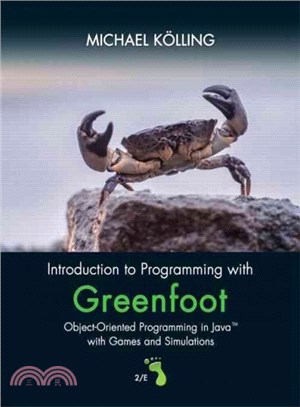
For courses in programming and computer science. Hands-on Programming with Greenfoot Introduction to Programming with Greenfoot: Object-Oriented Programming in Java with Games and Simulationsteaches t
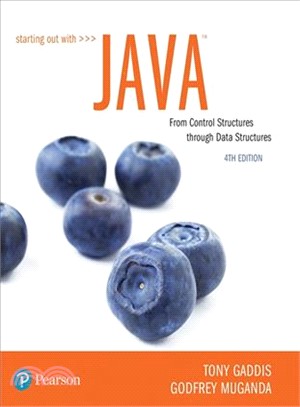
For courses in computer science and programming Starting Out with Java: From Control Structures through Data Structures provides a smooth introduction to programming with Java that moves fl
ALERT: Before you purchase, check with your instructor or review your course syllabus to ensure that you select the correct ISBN. Several versions of Pearson's MyLab & Mastering products exist
Provides a complete understanding of the philosophy behind Java 2 and teaches experienced programmers why the language works the way it does. Begins by covering language-independent concepts at the he