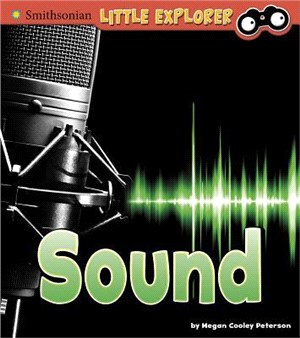
What was that sound? Introduce early readers preK-2 to sound and how it plays a part in their everyday lives. Find out how sound is made, how it travels, and how we can hear it. Readers explore the ba
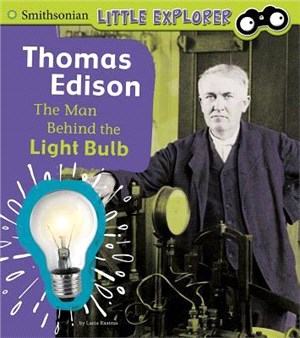
The light bulbs we use today in our schools and homes are thanks to Thomas Edison. What were the steps Edison took that led him to the world-changing invention we know him for today?
In the early 20th century, Madame C.J. Walker identified a problem, one she herself had: African Americans had no hair care products specifically designed for their hair type. So what did she do? The
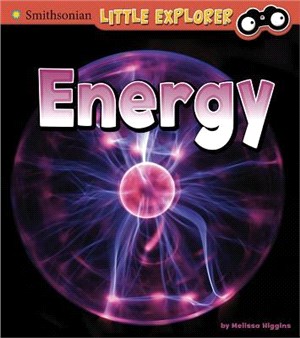
Full of energy? Introduce early readers preK-2 to energy and how it plays a part in their everyday lives. Find out what energy is, where it comes from, and the forms it can take. Readers explore the b
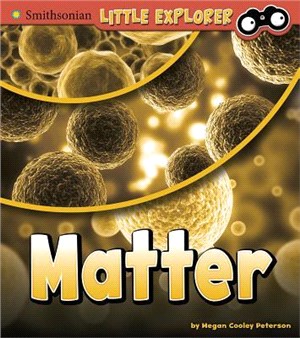
Matter matters! Introduce early readers preK-2 to matter and how it plays a part in their everyday lives. Find out what matter is, the states of matter, and how matter can change. Readers explore the
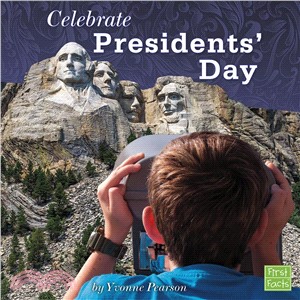
Presidents' Day is a day to remember the men who have held the highest office in our land. Readers will learn about the history or Presidents' Day, our most influential presidents, and how we can hono
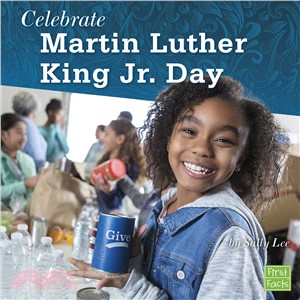
Martin Luther King Jr. led the American civil rights movement in the mid-1900s. His holiday honors this man who continues to inspire Americans to work toward equality more than 50 years after his deat
Veterans Day is a time to honor all those who have served in the United States military. Readers will learn about the history of this important holiday and how it continues to celebrate those who are
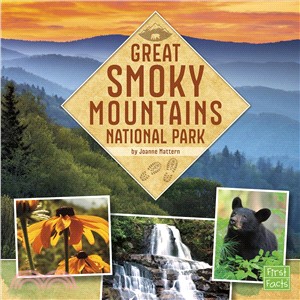
The Great Smokey Mountains can be found in Tennessee and North Carolina. Hike through some of the most famous trails to learn about the national park’s rich history and wilderness.
Have you ever wondered how we know so much about people and events from the past? Much of what we know comes from studying items that were used in the past. Research Primary Source Artifacts: Tools, C
Have you ever wondered how we know so much about people and events from the past? Much of what we know comes from studying items that were used in the past. Research Primary Source Documents: Diaries,
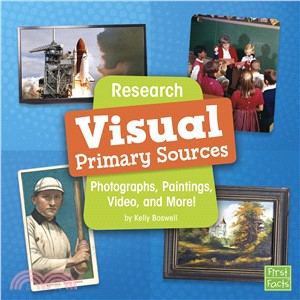
Have you ever wondered how we know so much about people and events from the past? Much of what we know comes from studying items that were used in the past. Research Visual Primary Sources: Photograph
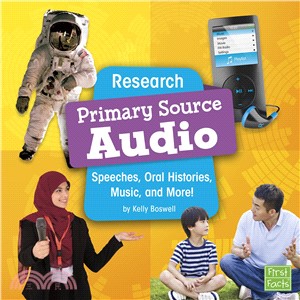
Have you ever wondered how we know so much about people and events from the past? Much of what we know comes from studying items that were used in the past. Research Primary Source Audio: Speeches, Or
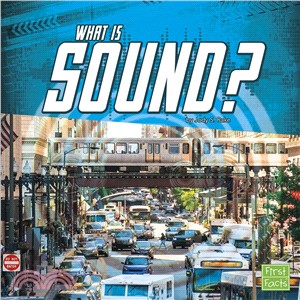
Listen up! Spread the word and ride the wave of science basics with this book about sound. Then look and listen during a hands-on science experiment that will draw everyone's attention in the library
Young readers will discover what litter is, how it can harm the environment, and what they can do to help clean up litter. Introduces readers to the problem of littering and how to keep it in its righ
Heavy rains can quickly turn into a dangerous flood. River, lake, and ocean levels rise rapidly. Levees break and water rushes in. Find out the safest place to be and how to prepare when rushing water
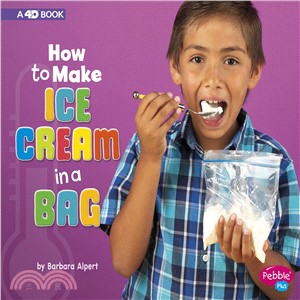
Did you know you can make ice cream in a bag? This book shows you how! Using simple materials and easy step-by-step instructions, young readers can explore the science behind this fun and delicious pr
A spinning column of air reaches down from a thunderstorm. As it touches the ground, a tornado is formed. Tornadoes can travel more than 60 miles per hour, and they destroy everything in their path. F
A light winter snow can quickly turn into a blizzard with high winds and whiteout conditions. Temperatures can drop and you don’t want to be stuck out in the cold. Find out how to stay safe during a b
Fields of wheat, corn, potatoes, and more take center stage in Plants on the Farm. Full-color photos and leveled text work together to introduce beginning readers to common crops, how those crops grow
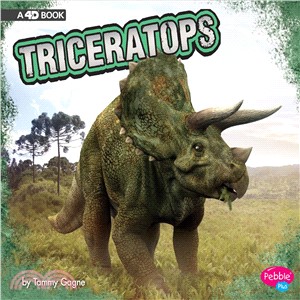
Take a trip back in time to the Cretaceous Period to learn about triceratops! With sharp horns and a large frill around its neck, triceratops comes to life through immersive, vibrant images. Readers w
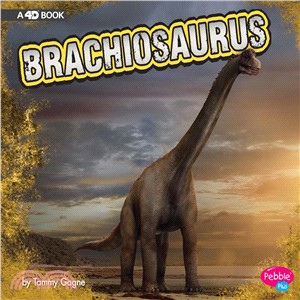
Take a trip back in time to the Jurassic Period to learn about brachiosaurus! Tall enough to reach treetops, brachiosaurus comes to life through immersive, vibrant images. Readers will be enticed to l
Take a trip back in time to the Cretaceous Period to learn about velociraptor! The fast and feathered velociraptor comes to life through immersive, vibrant images. Readers will be enticed to learn mor
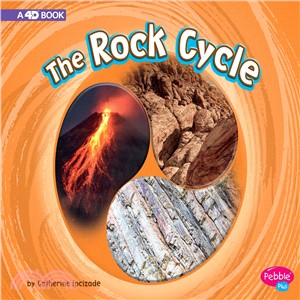
Magma, wind, and water form different rocks in different ways. Read beneath the cracks to learn about the rock cycle and how people affect it. Bring augmented reality to your students by downloading t
Take a trip back in time to the Jurassic Period to learn about stegosaurus! With its bony plates and sharp spikes, stegosaurus comes to life through immersive, vibrant images. Readers will be enticed
Take a trip back in time to the Jurassic Period to learn about apatosaurus! With its long neck and massive height, apatosaurus comes to life through immersive, vibrant images. Readers will be enticed
With stealth speed and amazing agility, destroyers defend ships in battle. Take to the waves to learn all about the military's armed fleet of destroyers. Little Pebble books have an ATOS level of 1.0
With power and versatility, Humvees roll into battle. Leave other vehicles in the dust as you learn all about the military's toughest troop of terrain vehicles. Little Pebble books have an ATOS level
With stealth flight and precision, drones belong in battle. Fly under the radar and learn all about the military's favorite high-tech weapon: unmanned drones. Little Pebble books have an ATOS level of
All living things are made of carbon, from plants to animals to people. Breathe in the facts, and learn how people are causing big changes to the carbon cycle. Bring augmented reality to your students
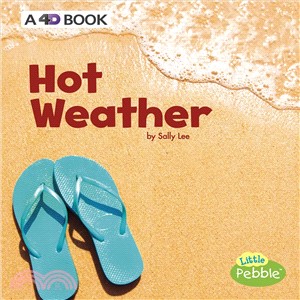
Phew! The weather is hot. Grab a spot in the shade and find out why hot weather happens. Bring augmented reality to your students by downloading the free Capstone 4D app and scanning for access to an
Did you know many seals live in cold places? They have a thick layer of blubber under their skin that protects them. Read to learn more about the places seals live and other facts about this mammal. T
Did you know that the Gaboon viper snake can weigh more than 44 pounds? Meet giant snakes, venomous lizards, and other intriguing reptiles at the Smithsonian National Zoo in these first books reviewed
Take a trip back in time to the Cretaceous Period to learn about tyrannosaurus rex! With its sharp teeth, the carnivorous tyrannosaurus rex comes to life through immersive, vibrant images. Readers wil
Did you know that emus can run 31 miles per hour? Meet high-flying vultures, speedy emus, and other beautiful birds at the Smithsonian National Zoo in these first books reviewed by Smithsonian experts
Did you know that the sand cat can survive without water? Meet gentle gazelles, screaming armadillos, and other mammals at the Smithsonian National Zoo in these first books reviewed by Smithsonian exp
Did you know that electric eels can make 800 volts of electricity? Meet giant arapaimas, hungry piranhas, and other fascinating fish at the Smithsonian National Zoo in these first books reviewed by Sm
Simple text describes ponds, the plants and animals in ponds, and how people use ponds. Full-color photographs perfectly match the text on each spread. Bring augmented reality to your students by down