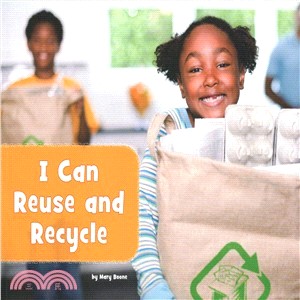
Young readers will discover what it means to recycle waste and be more eco-friendly. Introduces readers to the fact that not everything we throw away is garbage. Some things can be reused or made into
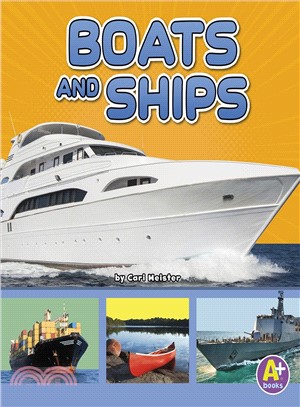
Row, row, row your boat -- or cruise on an ocean liner! Introduce early readers in preK-2 to the variety of boats and ships they can see in their community and in their world. Cover the basics of how
Have you ever wondered how we know so much about people and events from the past? Much of what we know comes from studying items that were used in the past. Research Primary Source Artifacts: Tools, C
Have you ever wondered how we know so much about people and events from the past? Much of what we know comes from studying items that were used in the past. Research Primary Source Documents: Diaries,
Have you ever wondered how we know so much about people and events from the past? Much of what we know comes from studying items that were used in the past. Research Visual Primary Sources: Photograph
Why is Lonnie Johnson important? He invented the Super Soaker! Readers follow his journey from a NASA engineer working on missions to Jupiter and Saturn to becoming the inventor of one of the most pop
Have you ever wondered how we know so much about people and events from the past? Much of what we know comes from studying items that were used in the past. Research Primary Source Audio: Speeches, Or
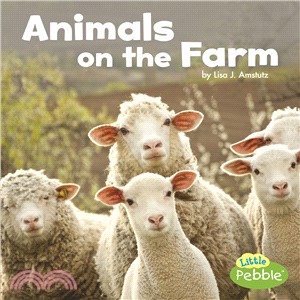
Introduce your beginning readers to seven of the most common animals on the farm with a hearty "Hello, cows!" and a "Hello, pigs!" Up-close photos and leveled text pair up for a fun meet-and-greet fil
Young readers will discover what nature is, what lives in nature, and how they can care for nature. Introduces beginning readers to the idea of caring for the environment and what their part is in pro
Text and photographs introduce seals and their physical characteristics including their flippers, fur, and blubber, and behavioral traits such as resting on beaches.
Dive and dunk! Slide and slither! Verbs and motion go hand in hand. Bring verbs to young learners, and watch their vocabularies grow! Words are carefully matched to engaging photos that will keep chil
"Simple text and photos describe the homes, bodies, behaviors, and adaptations of Proboscis monkeys and discusses ways to protect them"--Provided by publisher.
"Simple text, photographs, and diagrams present information about going to the dentist and how to take care of teeth properly--in both English and Spanish"--Provided by publisher.
Describes the characteristics and behaviors of mako sharks, including the different parts to a shark, their life cycle, and what foods they eat, in both English and Spanish.
Describes the characteristics and behavior of great white sharks, including the different parts to a shark, their life cycle, and how they hunt for food, in both English and Spanish.
Why is Benjamin Franklin important? He invented the lightning rod and much more! Readers follow the journey of this inventor and founding father. Franklin created the lightning rod and other invention
Slime. Ice cream. Crayons. Kids come across these things and more in everyday life. Bring familiar and favorite nouns to young learners, and watch their vocabularies grow! Words are carefully matched