In this book readers will learn how the Maasai people--who live in the grasslands in eastern Africa--survive harsh, dry conditions as well as about their customs and ceremonies, and how the women make
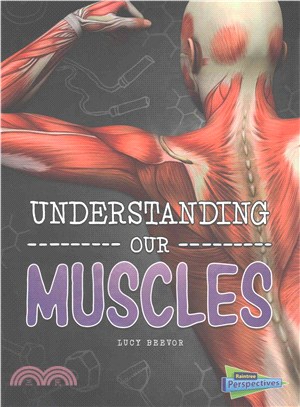
Without muscles we would not be able to move. Muscles keep our digestive system working too, and our heart is a large muscle that works all the time. This book looks at how muscles, tendons and nerves
Describes what life is like for the Tuareg of the Sahara, including their dwellings, occupations, diet, clothes, education, recreation, traditions, and celebrations.
Describes what life is like for the Inuit of the Arctic, including their dwellings, education, language, transportation, beliefs, recreation, customs, and history.
Describes the different tools used at construction sites, from small jackhammers to large tunnel borers, and tells how they are helpful in different ways.
Presents facts about life on the Caribbean Island of Guadeloupe, as well as general information about the climate, geography, and people of the Caribbean.
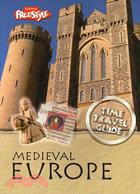
Presents a tour of medieval Europe, discussing facts about climate, landscape, religion, social classes, government, education, clothing, culture, transportation, food, diseases, crime, and languages.
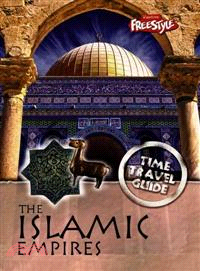
Presents a tour of the early Arab world, discussing facts about climate, landscape, religion, social classes, transportation, clothing, food, customs, culture, hygiene, medicine, and language.
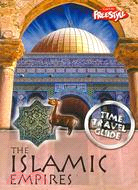
Presents a tour of the early Arab world, discussing facts about climate, landscape, religion, social classes, transportation, clothing, food, customs, culture, hygiene, medicine, and language.
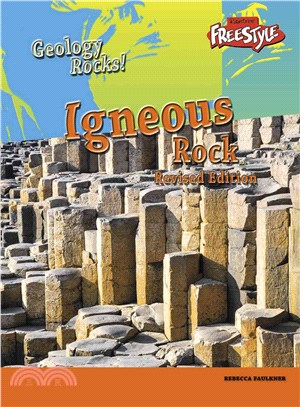
This title covers the following: Fiery Rocks; Crusty Old Rocks; Rocks around the World; Ingenious Igneous Rocks; Buildings and Bling; Landforms of Intrusions; Landforms of Extrusions.
Describes the social changes in the United States during the 1920s, including the popularization of jazz music, the rise of women in sports, and the Harlem Renaissance.
A biography of the German princess who became the absolute ruler of the Russian empire and won for herself the reputation of being a great enlightened monarch.
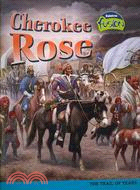
Looks at the history of the early assimilation of the Cherokee into the newly formed United States, and their later forced relocation along the Trail of Tears.
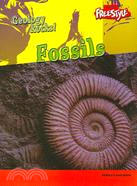
Introduces fossils, discussing their characteristics, types, where they are found, how they are formed, fossil fuel, what clues they give about the animals they came from, and what paleontologists do
What is the world's tallest waterfall? How do dams help generate water power? What happens when a waterwheel spins? This series explores the causes and effects that shape our world. From the underwate
How do minerals collect in ancient bones? Why are fish fossils sometimes found on land? How can some feathers be preserved for millions of years? This series explores the causes and effects that shape
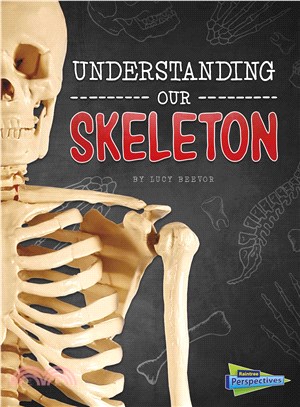
Bones are the framework of our bodies, but they are much more than that.This book looks at the functions of bones: what they are made of, how they connect to muscles, and how joints work.
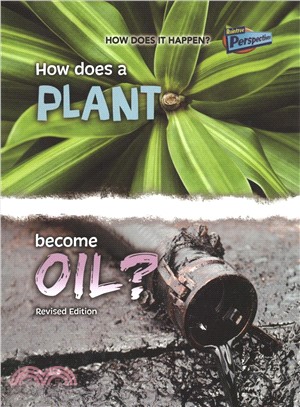
What tiny sea plants decompose to form oil? How did ancient Egyptians use oil to preserve mummies? What are the dangers of using fossil fuels? This series explores the causes and effects that shape ou
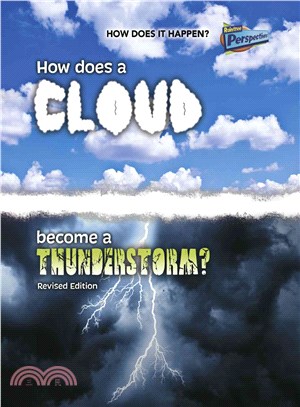
How did ancient peoples explain thunderstorms? How does the Sun send ocean water up into the clouds? How do electric charges form in a storm cloud? This series explores the causes and effects that sha
Describes what life was like for women in the late 1800s in the United States, how the women's suffrage movement was started, and the struggle to gain the right to vote, finally granted in 1920.
‘Forms of Energy’ explores the different types of energy that are around us all the time. You will discover how energy can be moving or stored. You will learn what causes sound, heat, and light energy
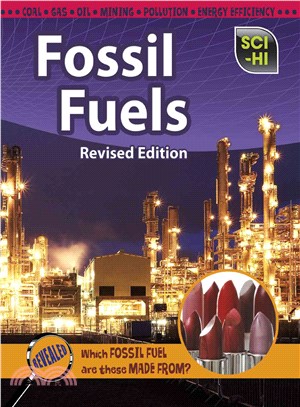
‘Fossil Fuels’ explores the fuels that we use every day. You will learn about everything from how coal forms to the many products made from oil. You will discover how coal, oil, and natural gas help u
Discusses when, where, and why the pyramids were built; their positioning; how they were constructed; what was in them; mummies; and what archeologists have learned from them.
Explains why people make up fake stories and examines fake stories throughout history, including the Loch Ness Monster, the Piltdown Man, and the existence of spaghetti trees.
Provides a definition of crystals and describes the six basic categories of crystalline shapes, along with a discussion of how crystals grow, how they break up, and their many everyday uses.