Polar bears are truly majestic animals: the largest land-dwelling carnivore on earth, these white-furred, black-skinned giants can measure up to three meters in length and weigh up to fifteen hundred
The sardine is a paradoxical fish. Seemingly insignificant, it has made fortunes for some, and, when stocks have collapsed, caused hardship for many, its status shifting from utilitarian food to gourm
Few animals elicit such a profound combination of horror, fear, and disgust as the bedbug. Uninvited, bedbugs invade our most private spaces (our beds), take away our blood, and afterwards, impudently
Bats have been maligned in the West for centuries. Unfair associations with demons have seen their leathery wings adorn numerous evil characters, from the Devil to Bram Stoker’s Dracula. But the
Common and exotic, glamorous and ferocious, sociable and sullen: zebras mean many things to many people. But one facet of zebras universally fascinates: their stripes. The extraordinary beauty of zebr
Our storybooks are full of lizards, but we usually call them something else—dragons, serpents, dinosaurs or monsters. These stories vastly increase their size, bestow wings upon them, make them
Woodpeckers are among the most remarkable birds in the avian world, having evolved a unique anatomy that enables them to peck and bore into solid timber both to find food and to create nesting cavitie
Though not generally perceived as graceful, crows are remarkably so—a single curve undulates from the tip of the bird’s beak to the end of its tail. They take flight almost without effort,
They are famously fat—cumbersome, lethargic, and oddly charming for the way they lounge around half-submerged in muddy pools all day. Hippos are gregarious herbivores that don’t much like the heat, bu
Known for their woolly charm, sure-footed strength, and a propensity to spit at you if you bother them too much, llamas have had a rich and diverse history. Since their domestication high in the Andes
Ancestors of domestic pigs, wild boars are tough, resourceful omnivores that have presented humans since prehistoric times with a tricky situation: they make for a delicious food source, but they are
Before best-selling author Helen Macdonald told the story of the goshawk in H Is for Hawk, she told the story of the falcon, in a cultural history of the masterful creature that can “cut the sky in tw
No creature has quite the sting in our mythology and folklore as the scorpion. From the dawn of human civilization they have been a dangerous figure in our imaginations—poisonous, precise, and deadly
Unlike their gaudy day-flying cousins, moths seem to reside in the shadows as denizens of the night, circling around street lights or caught momentarily in the glare of headlights on a country lane. A
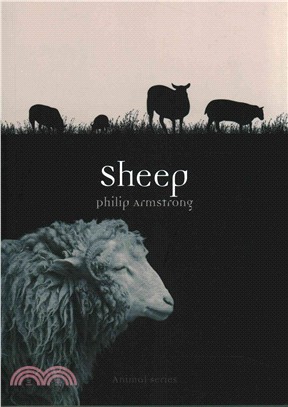
The ancient Egyptians worshipped them, the Romans dressed them in fitted coats, and the Christians associated them with their divine savior. InSheep, Philip Armstrong traces the natural and cultural h
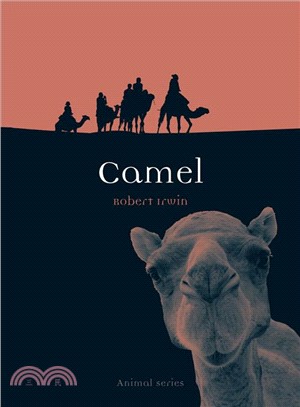
A distinct symbol of the desert and the Middle East, the camel was once unkindly described as “half snake, half folding bedstead.” But in the eyes of many the camel is a creature of g
In Peacock, Christine E. Jackson provides a comprehensive survey of the influence of the peacock in the visual arts of many cultures, and of its role in religion and mythology. She also explores its
The angry grizzly and the cuddly teddy: few animals possess such a range of personas as the bear. Here, Robert Bieder surveys the wealth of imagery, myths, and stories that surrounds the bear. Beginni
This book considers crows, ravens, magpies and their relatives in myth, literature and life. It ranges from the raven sent out by Noah to the corvid deities of the Eskimo, to Daoist legends, Victoria