The belief that with hard work and determination, all children have the opportunity to succeed in life is a cherished part of the American Dream. Yet, increased inequality in America has made that dre
In the long history of warfare and cultural and ethnic violence, the twentieth century was exceptional for producing institutions charged with seeking accountability or redress for violent offenses an
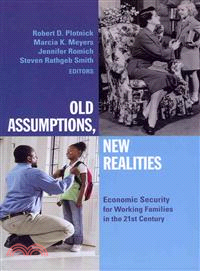
The way Americans live and work has changed significantly since the creation of the Social Security Administration in 1935, but U.S. social welfare policy has failed to keep up with these changes. The
Some economic events are so major and unsettling that they change everything.” Such is the case with the financial crisis that started in the summer of 2007 and is still a drag on the world economy. Y
Most nineteenth and early-twentieth-century European immigrants arrived in the United States with barely more than the clothes on their backs. They performed menial jobs, spoke little English, and oft
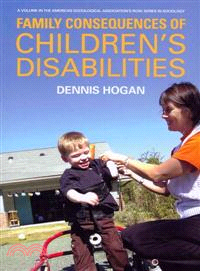
The Americans with Disabilities Act (ADA) and other national policies are designed to ensure the greatest possible inclusion of people with disabilities in all aspects of American life. But as a matte
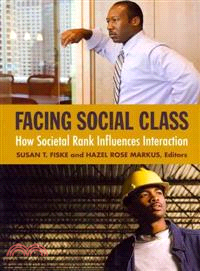
Many Americans, holding fast to the American Dream and the promise of equal opportunity, claim that social class doesn't matter. Yet the ways we talk and dress, our interactions with authority figures
Gender inequality in the workplace persists, even in nations with some of the most progressive laws and generous family support policies. Yet the dimensions on which inequality is measured—levels of w
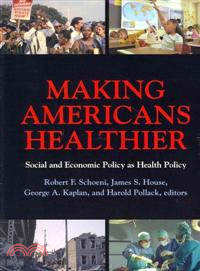
The United States spends billions of dollars annually on social and economic policies aimed at improving the lives of its citizens, but the health consequences associated with these policies are rarel
Unmarried Couples with Children presents an intimate portrait of the challenges faced by partnering and parenting with couples who have children without the benefit of marriage.
The 11 essays of this collection address the issues and current practices of young people living away from their families, with particular attention paid to economic and social realities. Education, h
Over the last forty years, the number of American households with a stay-at-home parent has dwindled as women have increasingly joined the paid workforce and more women raise children alone. Many poli
With the introduction of more aggressive policing, prosecution, and sentencing since the late 1970s, the number of Americans in prison has increased dramatically. While many have credited these “get t
Parents around the world grapple with the common challenge of balancing work and child care. Despite common problems, the industrialized nations have developed dramatically different social and labor
One in five American children now live in families with incomes below the povertyline, and their prospects are not bright. Low income is statistically linked with a variety of poor outcomes for childr
Two generations ago, young men and women with only a high-school degree would have entered the plentiful industrial occupations which then sustained the middle-class ideal of a male-breadwinner family
Social scientists have repeatedly uncovered a disturbing feature of economic inequality: people with larger incomes and better education tend to lead longer, healthier lives. This pattern holds across
Transnational adoption was once a rarity in the United States, but Americans have been choosing to adopt children from abroad with increasing frequency since the mid-twentieth century. Korean adoptees
African Americans grappled with Jim Crow segregation until it was legally overturned in the 1960s. In subsequent decades, the country witnessed a new wave of immigration from Asia and Latin America—fo
"Culture counts" has long been a rallying cry among health advocates and policymakers concerned with racial disparities in health care. A generation ago, the women’s health movement
America confronts a jobs crisis that has two faces. The first is obvious when we read the newspapers or talk with our friends and neighbors: there are simply not enough jobs to go around. The second j
National news reports periodically proclaim that American life is lonelier than ever, and new books on the subject with titles like Bowling Alone generate considerable anxiety about the declining qual
The 9/11 terrorist attacks opened America’s eyes to a frightening world of enemies surrounding us. But have our eyes opened wide enough to see how our experiences compare with other nations’ efforts t
Immigration is often discussed in broad, statistical terms, with a focus on how it affects labor markets, schools, and social services. But at its most basic level, immigration is a process that affec
Low-skilled women in the 1990s took widely different paths in trying to support their children. Some held good jobs with growth potential, some cycled in and out of low-paying jobs, some worked part t
In every generation, Americans have worried about the solidarity of the nation. Since the days of the Mayflower, those already settled here have wondered how newcomers with different cultures, values,
Low-Wage Work in the United Kingdom explains why the current level of low-paying work remains one of the highest in Europe. The authors argue that the failure to deal with low pay reflects a policy a
The U.S. labor market is the most laissez faire of any developed nation, with a weak social safety net and little government regulation compared to Europe or Japan. Some economists point to this hands
More than half of New Yorkers under the age of eighteen are the children of immigrants. This second generation shares with previous waves of immigrant youth the experience of attempting to reconcile t
In the five years following the passage of federal welfare reform law, the labor force participation of low-income, single mothers with young children climbed by more than 25 percent. With significant
Few public projects have ever dealt with economic and emotional issues as large as those surrounding the rebuilding of lower Manhattan following the terrorist attack of September 11, 2001. Picking up
Over the last thirty years, the U.S. penal population increased from around 300,000 to more than two million, with more than half a million prisoners returning to their home communities each year. Wha
As the United States wages war on terrorism, the country's attention is riveted on the Muslim world as never before. While many cursory press accounts dealing with Muslims in the United States have be
An effective democratic society depends on the confidence citizens place in their government. Payment of taxes, acceptance of legislative and judicial decisions, compliance with social service program
Public opinion polls suggest that American's trust in the police and courts is declining. The same polls also reveal a disturbing racial divide, with minorities expressing greater levels of distrust t
Today, as married women commonly pursue careers outside the home, concerns about their ability to achieve equal footing with men without sacrificing the needs of their families trouble policymakers an
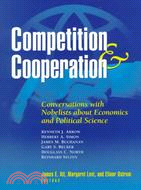
Six Nobel Laureate economists moot with a dozen political scientists on how the two fields can learn from each other, particularly how economic theories about exchange, trade, and competition can be a
It is conventional wisdom that there is a grave crisis in our criminal courts: the widespread reliance on plea-bargaining and the settlement of most cases with just a few seconds before the judge enda
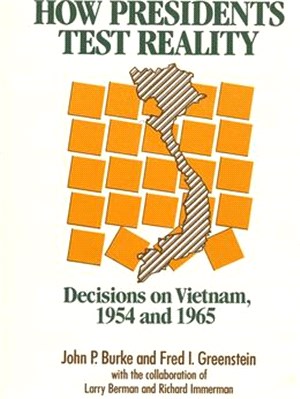
Just as famines and plagues can provide opportunities for medical research, the unhappy course of United States relations with Vietnam is a prime source of evidence for students of American political
This bold and lively essay is one of those rarest of intellectual achievements, a big small book. In its short length are condensed enormous erudition and impressive analytical scope. With verve and s