The Golden Horde is a definitive work on the Italian revolutionary movements of the 1960s and '70s. An anthology of texts and fragments woven together with an original commentary, the volume widens ou
What is sleep? How can this most unproductive of human states--metaphorically called death's shadow or considered the very pinnacle of indolence--be envisioned as action and agency? And what do we bec
Paul Celan (1920–70) is one of the best-known German poets of the Holocaust; many of his poems, admired for their spare, precise diction, deal directly with its stark themes. Austrian writer Ing
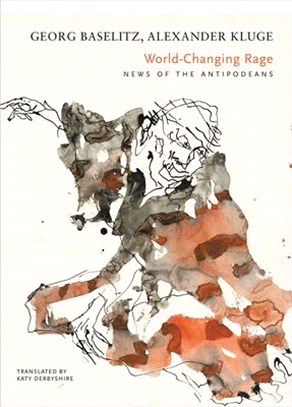
Rage and obstinacy are close relatives—and fundamental categories in the work of both Georg Baselitz and Alexander Kluge. In World-Changing Rage, these two accomplished German creators explore l
I enjoyed success too early, married the wrong man, and hung out with the wrong people; too many men have liked me, and I’ve liked too many men. Frank and refreshing,&
The BBC commissioned Tariq Ali to write a three-part TV series on the circumstances leading to the overthrow, trial and execution of Zulfiqar Ali Bhutto, the first elected prime minister of Pakistan.
During the late Seventies and Eighties a new logo began to jostle for space with the more traditional landmarks on high streets throughout Britain. It was the badge of a remarkable Third World Bank...
Victoria has just recently moved from Zurich back to her hometown of Bucharest when the bank where she works is robbed. Put on leave so that she can process the trauma of the robbery, Victoria strolls
Rich and multilayered, with elements of both memoir and fiction, Dominique Eddé’s Kite defies categorization. Beginning in the 1960s and ending in the late ’80s, it is at once
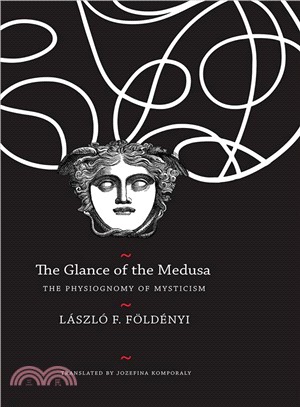
In The Glance of the Medusa, Lászó F. Földényi offers a mesmerizing examination of the rich history of European culture through the lens of mythology and philosophy. Embracin
In Everything: And Other Performance Texts from Germany, Matt Cornish gathers texts drawn from performances by five of the most renowned theater collectives working today: andcompany&Co., Gob Squa
Over the past three decades, theater studies has undergone a radical worldwide development and renewal. This happened through two different yet complementary paths: the first (North American in origin
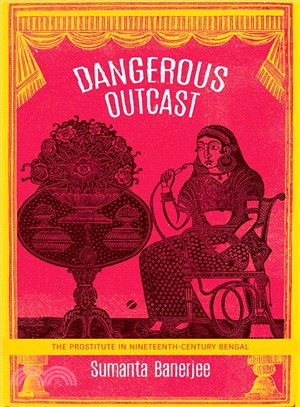
Dangerous Outcast traces prostitution in Bengal from precolonial times through the arrival of the British, examining how the profession was reordered to suit British desires. Drawing on nineteenth-cen
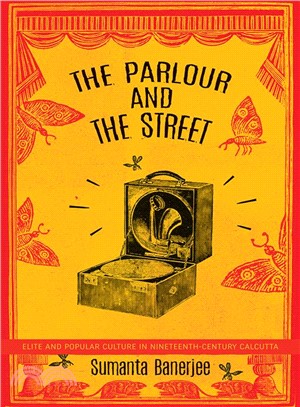
In this book, Sumanta Banerjee analyzes the development of the folk culture of Calcutta’s urban poor following the establishment of the British colonial system in Bengal. Consisting primarily of
In Easterine Kire’s stories, the boundaries between magic and reality drift away, leaving us to marvel at simple yet fantastical folktales about human connection. The title story in this collect
One of the foremost thinkers of his generation, Furio Jesi began to publish scholarly essays in academic journals at the age of fifteen. By the time of his early death in 1980, he had accumulated a bo
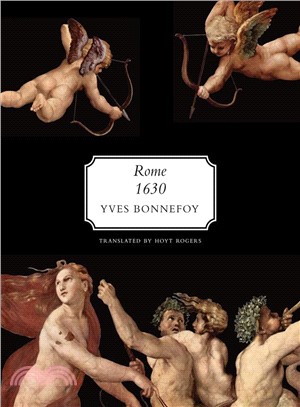
Velazquez. Poussin. Carvaggio. Bernini. Despite their disparate backgrounds, these greats of European Baroque art converged at one remarkable place in time: Rome, 1630. In response to the Protestant R
Northern Spain is the only part of Western Europe where anarchism played a significant role in political life of the twentieth century. Enjoying wide-ranging support among both the urban and rural wor
“I think in pictures. Poems help me with this. They are like buoys in the sea. I swim to them, from one to the other. In between, without them, I am lost. They are the handholds where something
No human quality is more necessary for survival than love. But while love has the power to lift us up with boundless joy, it has equal strength to crush us—it is easy to lose your way within lov
How, in 1930, did Alfred Wegener, the son of minister from Berlin, find himself in the most isolated spot on earth, attempting to survive an unthinkably cold winter in the middle of Greenland? In All
We learn more every year about the damaging effects of solitary confinement. This unquestionably cruel and unusual punishment leaves prisoners with no human contact, sometimes for years at a time, and
In these times of heartbreaking violence, clashing religions, and a seemingly never-ending narrative of dichotomy between East and West, wonder at the religion and culture of the Middle East can be in
When a young reader once asked Franz Fühmann if he considered his work to be science fiction, he was quick to deny it: he wanted nothing to do with the genre. As he began writing the stories that
The thirteen stories of Michael Krüger’s The God behind the Window capture the poignancy and cynicism of late life through tales of misanthropic old men full of the mixture of wisdom a
Like stars in the sky, pixels may seem like tiny, individual points. But, when viewed from a distance, they can create elaborate images. Each pixel contributes to this array, but no individual point c
In Winter Stories, Norwegian author Ingrid H. Rishøi gives us three contemporary tales about personal resilience in the face of adversity. We meet a teenager on the run from social service
Stella Vinitchi Radulescu’s poetry dwells in spaces of paradox, seeking out the words, metaphors, and images that capture both the peaceful stillness of snow and the desperate cry of human exper
For a fifteen-year-old, falling in love can eclipse everything else in the world, and make a few short weeks feel like a lifetime of experience. In Love Writ Large, Navid Kermani captures those intens
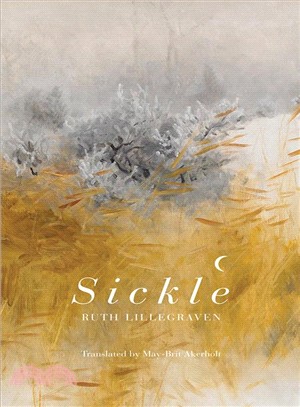
Norway. The 1800s. Endre must to take over the family farm from his father—his father, who swings the sickle and sharpens the scythe, and says this is the only way in which rocks and stones and
Somewhere deep in the European forest they meet. Frontier workers, smugglers, refugees, workers, asylum seekers, inspectors, artists, musicians, actors, journalists, scholarship holders, logisticians,
“Not writing is always a relief and sometimes a pleasure. Writing about what cannot be written, by contrast, is the devil’s own job.”In this unusual text, a blend of essay, fiction,
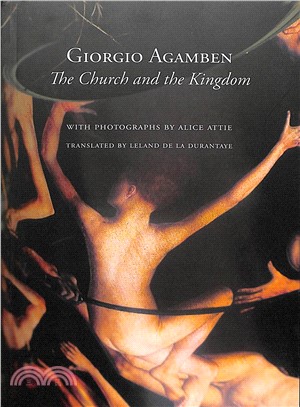
Italian philosopher Giorgio Agamben is the rare writer whose ideas and works have a broad appeal across many fields, and his devoted fans are not just philosophers, but readers of political and legal theory, sociology, and literary criticism as well. In March 2009, Agamben was invited to speak in Paris’ Notre-Dame Cathedral in the presence of the Bishop of Paris and a number of other high-ranking church officials. His resulting speech, a stunningly lucid and provocative look at the history and state of the Church and its role in society, is presented here. The Church and the Kingdom is at once a pointed attack on the institutional structure of the Catholic Church and a theoretical excursus on the concepts of messianic time and economy. Presenting an exegesis of certain key passages in the New Testament, Agamben examines the philology and philosophy at the root of the Church and of its earthly reign. With its examinations of the foundational texts
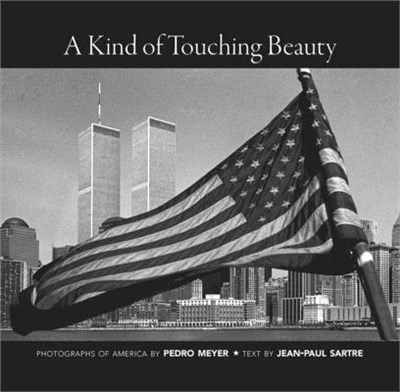
“Everyone is free here. . . . The cities are open. They are open to the world and to the future. That is what gives them all an air of adventure; and . . . a kind of touching beauty.” So w
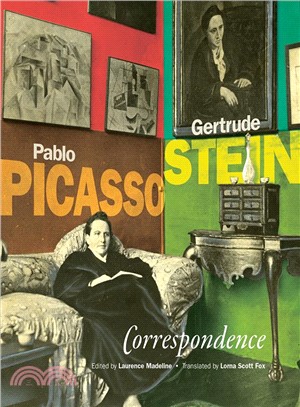
Pablo Picasso and Gertrude Stein. Few can be said to have had as broad an impact on European art in the twentieth century as these two cultural giants. Pablo Picasso, a pioneering visual artist, creat
In the timeless kingdom of Mapungubwe, the royal sculptor had two sons, Chata and Rendani. As they grew, so grew their rivalry—and their extraordinary talents. But while Rendani became a master carver
In this collection of conversations that were conducted in Calcutta, at the London School of Economics, through Jewish Book Week, and on the radical website openDemocracy, internationally renowned Jew
One night in the middle of winter, as deep snow covers the mountains and forests, a doctor is crossing the ridge in Austria from Traich to Föding to see a patient. He stumbles over a body in the
Writing in 2007, French social philosopher André Gorz was remarkably prophetic, foretelling the international economic meltdown of 2008: “The real economy is becoming an appendage of
Hungarian Imre Kertész was awarded the Nobel Prize in Literature in 2002 for “writing that upholds the fragile experience of the individual against the barbaric arbitrariness of history