Paul Celan (1920–70) is one of the best-known German poets of the Holocaust; many of his poems, admired for their spare, precise diction, deal directly with its stark themes. Austrian writer Ing
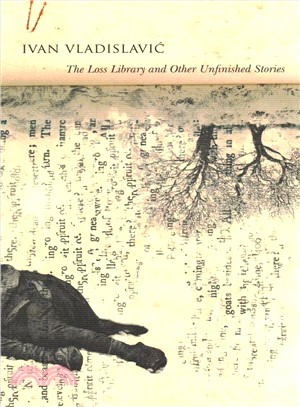
“Not writing is always a relief and sometimes a pleasure. Writing about what cannot be written, by contrast, is the devil’s own job.”In this unusual text, a blend of essay, fiction,
Writing in 2007, French social philosopher André Gorz was remarkably prophetic, foretelling the international economic meltdown of 2008: “The real economy is becoming an appendage of
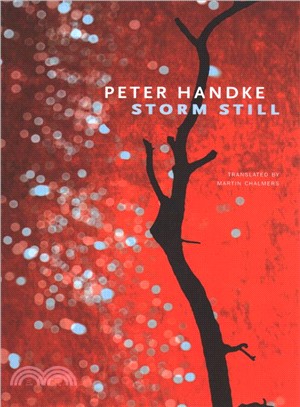
Peter Handke, a giant of Austrian literature, has produced decades of fiction, poetry, and drama informed by some of the most tumultuous events in modern history. But even as these events shaped his w
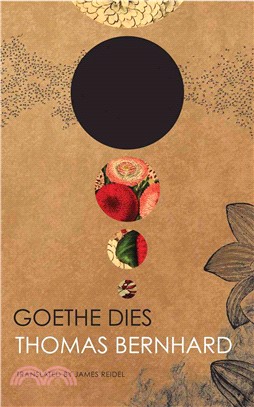
This collection of four stories by the writer George Steiner called “one of the masters of European fiction” is, as longtime fans of Thomas Bernhard would expect, bleakly comic and inspiringly rancoro
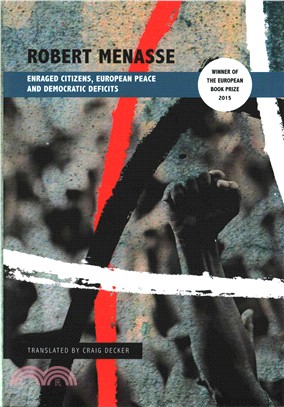
In 2010, Robert Menasse journeyed to Brussels to begin work on a novel centered on the European Union. His extended stay resulted in a completely different book—Enraged Citizens, European Peace and De
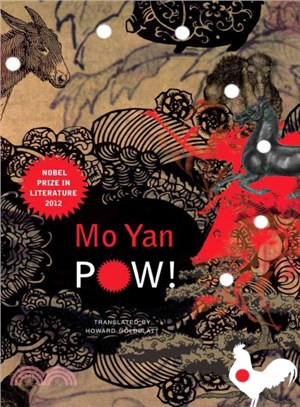
In this novel by the 2012 Nobel Laureate in Literature, Mo Yan, a benign old monk listens to a prospective novice’s tale of depravity, violence, and carnivorous excess while a nice little family drama
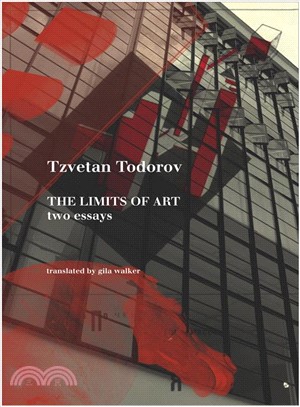
Tzvetan Todorov explores the complex relations between art, politics and ethics in the two essays that make up The Limits of Art. In the first essay, `Artists and Dictators', he traces the intimate re
In 1965 Indonesia had the largest communist movement in the world outside of the Soviet Union and the People's Republic of China. Indonesian President Sukarno supported the movement and was edging Ind
The idea of communism, argues Ali, was simple and noble - the creation of a society based on the principle of 'from each according to his ability, to each according to his need' rather than a system b