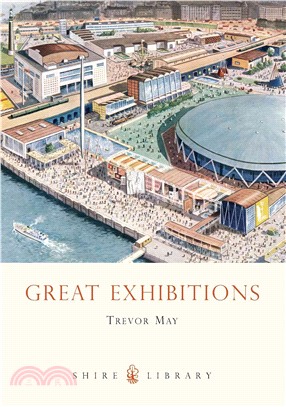
In 1851 an event was organized in London that changed the world: The Great Exhibition. It was a spectacular showcase of technology, manufacture and design from all over the world. In just a few months
In the late eighteenth and early nineteenth centuries a profound change swept across England. The rapid advance of technology increased industrial productivity to a level previously unimaginable. To s
The nineteenth century saw huge changes in design, technology and taste, so that by the time Queen Victoria died in 1901, the middle-class home looked very different from the way it had at her access
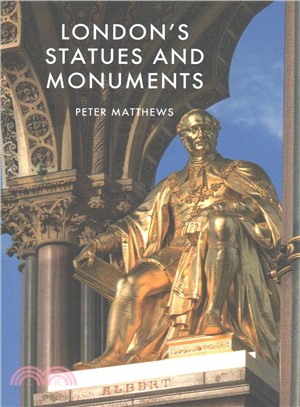
The streets and public spaces of London are rich with statues and monuments commemorating the city's great figures and events--from Nelson's Column in Trafalgar Square and Sir Christopher Wren's Great
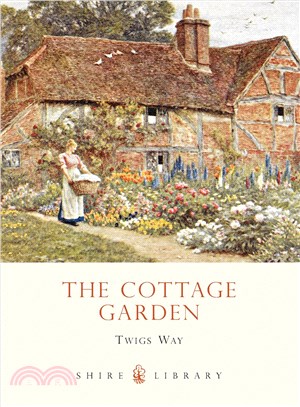
Hollyhocks and cabbages, roses and runner beans: the English cottage garden combines beauty and utility, pride and productivity. Immortalized in images of thatched cottages with flower-filled borders
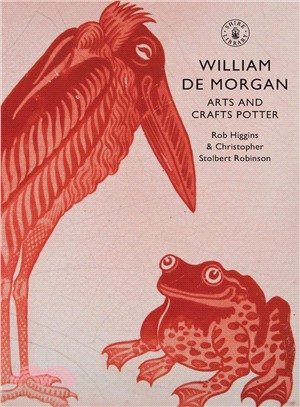
William De Morgan designed and manufactured ceramics from 1870-1907, and lifelong friendships with William Morris and Edward Burne Jones placed him at the heart of the Arts and Crafts revolution. Afte
Monumental brasses became popular during the Middle Ages and were commonly mounted on the walls and floors of cathedrals to commemorate the great and wealthy. Often depicting knights and bishops, thes
Heavy horses played a pivotal role in the development of western economies, toiling in mines and quarries, factories and docks, alongside canals and railways and on farms. But, following the introduct
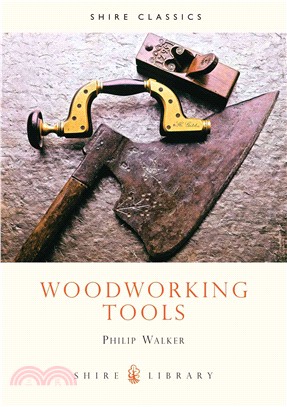
Mankind has been using wood since prehistoric times to build shelter, houses, containers, vehicles and implements and the tools and techniques used to shape and manipulate wood are thousands of years
This celebration of some of the greatest art, architecture and furniture to be found in English churches offers a fascinating account of centuries of accumulated wealth, and is set off by a selection
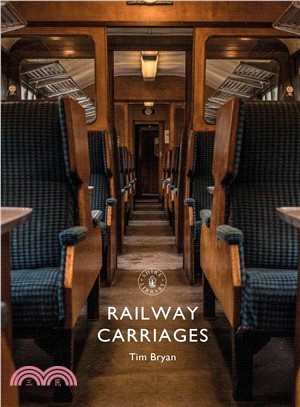
A brief history of the design and use of railway carriages in the UK, ideal for those interested in railway and social history.Evolving from the horse-drawn stage coaches that they soon eclipsed, rail
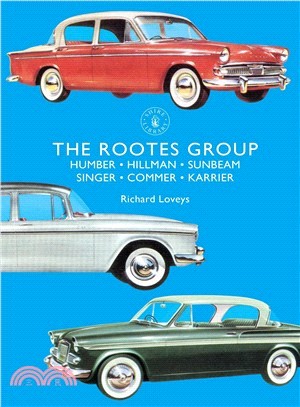
The history of the Rootes Group (1913-1978) and its subsidiaries - Hillman, Humber, Singer, Sunbeam, Karrier, and Commer.This is the story of the Rootes Group which was both an important British car m
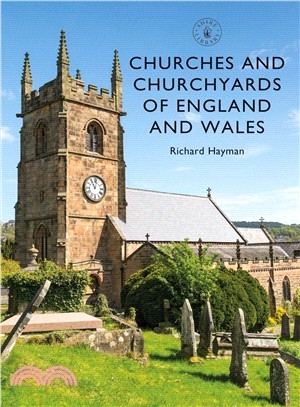
An engaging introduction to the workings of church buildings and churchyards, explaining the integral elements of a working church and how they have changed over time.The parish church is a symbol of
The 00 gauge train set was the ultimate "boy’s toy" of the 1950s and ’60s .Electric 00 gauge trains were introduced by Trix and Hornby Dublo in the mid-1930s, but the Second World War quickly halted p
An accessible and colorful illustrated narrative of the manufacturing and social history of a favorite British tipple.Uncovering the mysteries of gin manufacture and production, as well as its fascina
This fascinating pocket book draws on numerous primary sources from the early days of the rail network through to the Big Four, British Railways and beyond to present a unique guide to the knowledge a
Vespa and Lambretta remain the two most iconic motor scooter brands, even four decades after the latter’s demise. But what made them such a European sensation in the postwar era? And why were they par
More complex and imposing than any other vehicle in the British emergency services, the fire engine has a long and interesting history. At first a blaze could only be tackled by buckets of water being
Bradshaw's guide to London was published in a single volume as a handbook for visitors to the capital, and it includes beautiful engravings of London attractions, a historical overview of the city, an
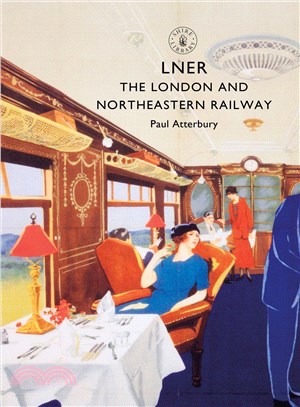
The London and North Eastern Railway, or LNER as it was familiarly known, was one of the Big Four companies that took control of Britain's railway network following the "Grouping" in 1923. This networ
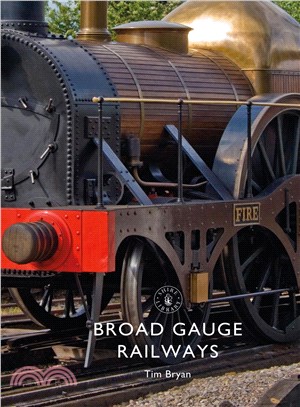
Brunel called his Great Western Railway the "finest work in England" and it certainly contained many special and groundbreaking new features, but none was as unorthodox as the decision to abandon the
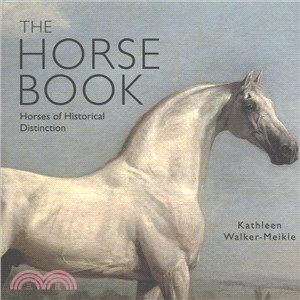
Hardworking, swift, loyal and capable of great heroism, horses have been our constant companions for thousands of years. Using stunning illustrations, The Horse Book pairs famous historical figures wi
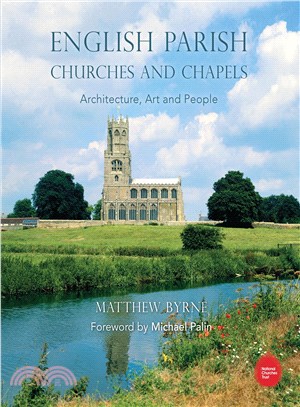
There are over 40,000 churches and chapels in the United Kingdom. The earliest were built by the first Anglo-Saxon Christians and about 10,000 were built before the Reformation in the sixteenth centur
From the Houses of Parliament to the Midland Hotel at St Pancras and Strawberry Hill House, Gothic Revival buildings are some of the most distinctive structures found in Britain. Far from just copying
Rolls-Royce is one of Britain's legendary car brands, representing the pinnacle of engineering quality and luxury like no other manufacturer. Since 1904, when Charles Stewart Rolls and Frederick Henry
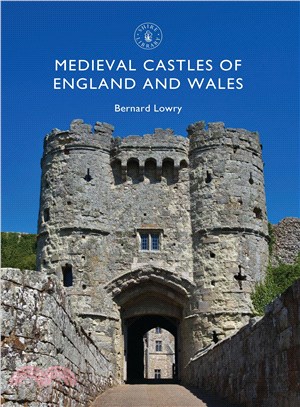
Designed both to protect the their inhabitants of the towns they towered over and cow them into submission, castles dominated the landscape of Medieval England and Wales. Though some were built before
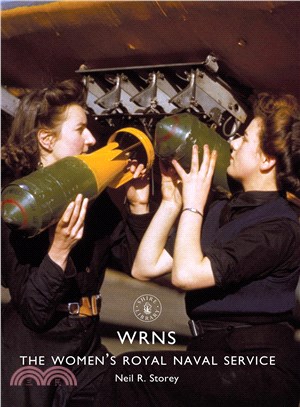
From cooks and clerks to weapons analysts and air mechanics, generations of women have served in the Wrens (Women's Royal Naval Service or WRNS). The Royal Navy was the first of the UK armed services
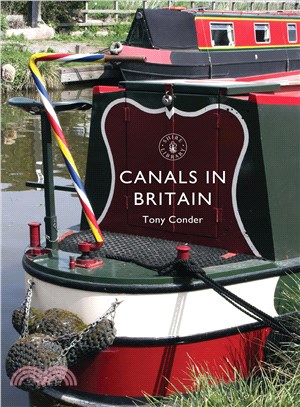
In the early years of the Industrial Revolution, canals formed the arteries of Britain. Most waterways were local concerns, carrying cargoes over short distances and fitted into regional groups with t
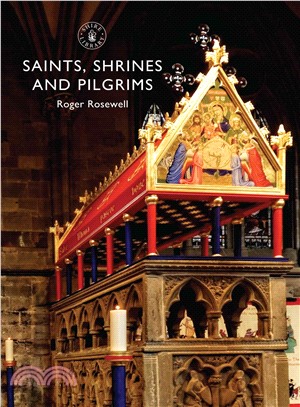
In the Middle Ages, it was thought that praying at the right shrine could save you from just about anything, from madness and famine to false imprisonment and even shipwreck. Kingdoms, cities, and eve
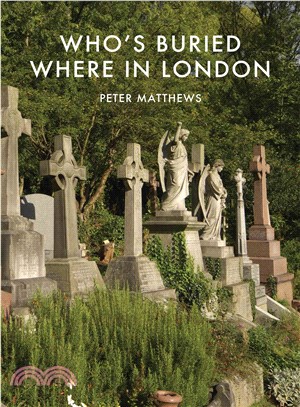
London's many cemeteries, churches and graveyards are the last resting places of a multitude of important people from many different walks of life. Politicians, writers and military heroes rub shoulde
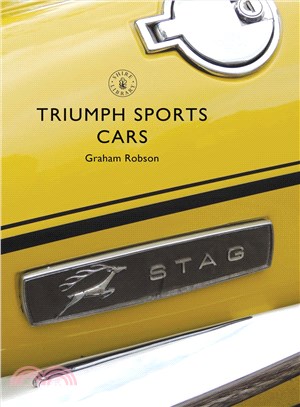
In the 1950s and 1960s, British sports car ruled the road, and their charge was led by Triumphs. From the TR2, its first modern sports car, Triumph went on to produce a host of classic sports design
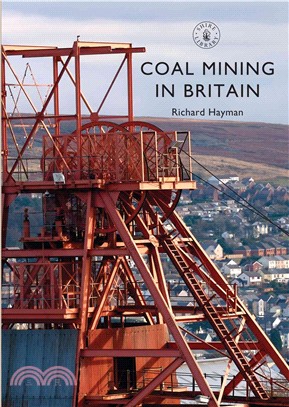
Coal heated the homes, fuelled the furnaces and powered the engines of the Industrial Revolution. In the nineteenth and twentieth centuries the coalfields – distinct landscapes of colliery winding fra
Built more than sixty years after the California Gold Rush that inspired massive migration to Northern California, and ten years after the devastating 1906 earthquake and fire in San Francisco, Filoli
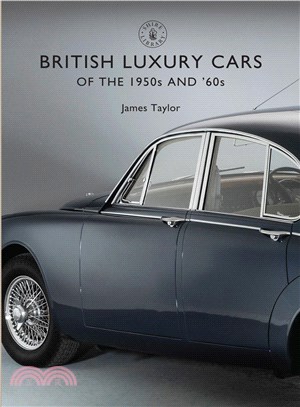
In the 1950s and 1960s, luxury car buyers, from government ministers to captains of industry, almost invariably bought British. These were stately, dignified, and grand vehicles, with many featuring l
With over two-thirds of the globe covered by water, the ability to navigate safely and quickly across the oceans has been crucial throughout human history. As seafarers attempted longer and longer voy
From workaday marigolds to handwear custom-crafted for the Queen, gloves perform many functions--insulation from the cold, protection from injury, and even ceremonial roles. Gloves have been used sinc
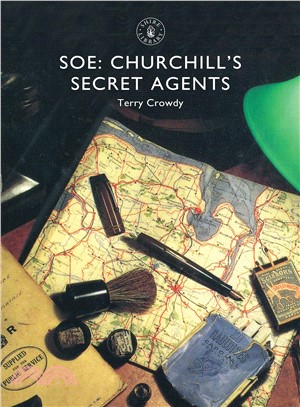
After Dunkirk and the fall of France in 1940, it was obvious it would be years before the British army could mount conventional military operations on land in Europe. Prime Minister Winston Churchill
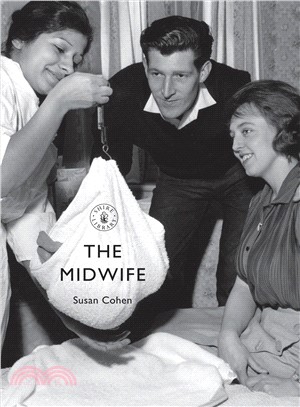
The midwife: a medical professional, a friend in a woman's hour of greatest need, and a potent social and cultural symbol. Though the role of midwife has existed since time immemorial, it is only sinc
Handel called Britain 'The Ringing Isle' because he heard bells ringing everywhere he went. Behind the quintessentially English sound of bells ringing lies a unique way of hanging bells and a special
From the Middle Ages to the present day, parsonages - vicarages and rectories, and later manses, presbyteries and chapel houses - have been amongst the most significant dwellings in every kind of Brit