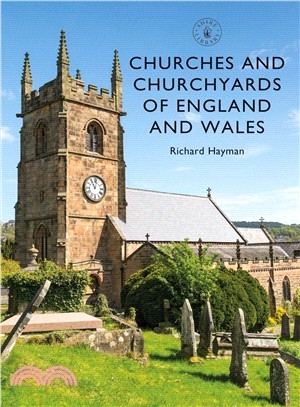
An engaging introduction to the workings of church buildings and churchyards, explaining the integral elements of a working church and how they have changed over time.The parish church is a symbol of
Handel called Britain 'The Ringing Isle' because he heard bells ringing everywhere he went. Behind the quintessentially English sound of bells ringing lies a unique way of hanging bells and a special
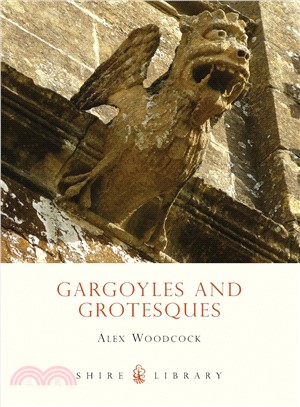
Gargoyles are an architectural feature designed to throw rainwater clear of the walls of a building. Widely used on medieval churches, these water spouts were often richly decorated, and fashioned as
Whether they are still operational or long abandoned, quarries are often dismissed as eyesores. Despite this, they can be fascinating to visit, and provide an interesting link to a once powerful and n
Bricks were introduced to Britain by the Romans and reintroduced by Flemish craftsmen in the middle ages. Until the early nineteenth century they were made in numerous small brickyards supplying local
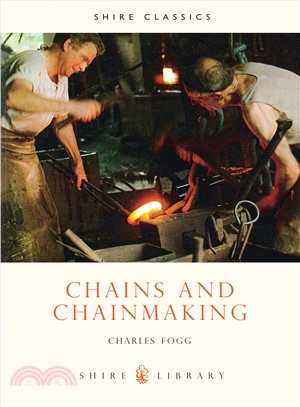
The area of England known as the Black Country has a rich heritage in the chain trade due to its plentiful resources of coal and iron. In the nineteenth century, thousands of tons of chain were hand-m
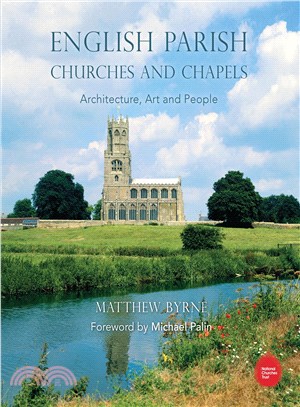
There are over 40,000 churches and chapels in the United Kingdom. The earliest were built by the first Anglo-Saxon Christians and about 10,000 were built before the Reformation in the sixteenth centur
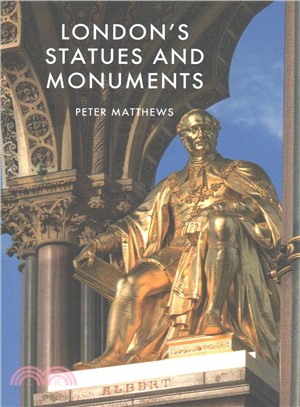
The streets and public spaces of London are rich with statues and monuments commemorating the city's great figures and events--from Nelson's Column in Trafalgar Square and Sir Christopher Wren's Great
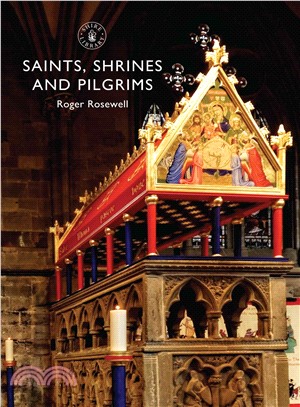
In the Middle Ages, it was thought that praying at the right shrine could save you from just about anything, from madness and famine to false imprisonment and even shipwreck. Kingdoms, cities, and eve
From workaday marigolds to handwear custom-crafted for the Queen, gloves perform many functions--insulation from the cold, protection from injury, and even ceremonial roles. Gloves have been used sinc
The fields of the farming landscape in Britain are the result of a long series of past efforts and achievements and have much to tell us about the life and work those who lived in the past. They have
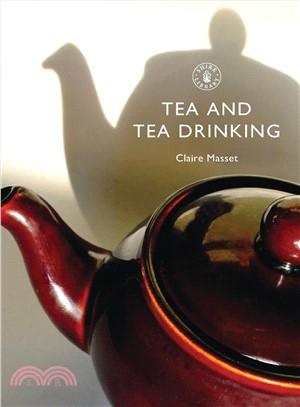
Tea drinking has changed dramatically since Samuel Pepys drank the first recorded cup of tea in 1660. Initially, tea was consumed by men in coffee houses and by women in the home following a strict co
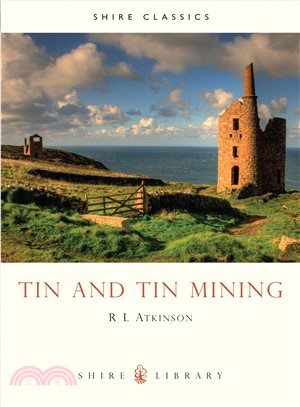
From the bronze age to the present day, man has found numerous uses for tin and its alloys, and has gone to great lengths to extract it from the ground. This book explains why tin minerals are found o
The Scottish warrior has throughout history been armed with some of the most famous and instantly recognisable weapons and armour ever produced. From the majestic Highland two-handed sword and the dim
For thousands of years peat was the main fuel that that warmed houses all over the British Isles, and the mark of the peat cutter is written deep in the landscape. This book is a celebration of a cult
The Volkswagen Transporter is one of the best-loved and most recognisable motor vehicles of all time. The preferred transport for surfers and hippies everywhere, the Volkswagen Type 2 'bus' was born i
Although Thomas Crapper is most commonly associated with the invention of the flushing toilet, his models were in fact the result of a long line of improvements to earlier designs which date back to a
This book looks at an almost totally neglected aspect of medieval England and Wales. Starting from the basic concept of a 'road' in medieval times, the book looks at how well the Roman roads had survi
As more and more people feel the urge to possess objects of age or beauty, so the prices of antiques soar beyond the pockets of many people. Bottles, however, have remained comparatively inexpensive.
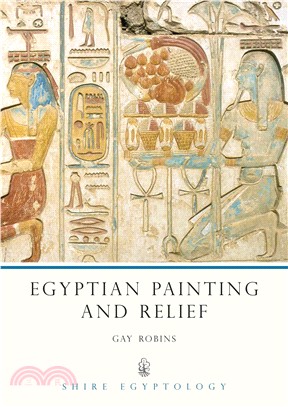
The artists of Ancient Egypt reached a level of sophistication and technical mastery unsurpassed by other early peoples. They perfected a style which was less naturalistic than that later employed by
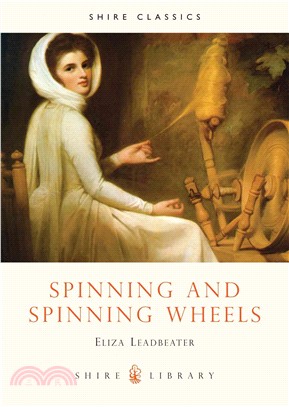
Spinning and Spinning Wheels traces the evolution of the ancient skill of spinning, from the early spindle, through the introduction of the wool and the flax wheel, to the numerous variations of the w
Vespa and Lambretta remain the two most iconic motor scooter brands, even four decades after the latter’s demise. But what made them such a European sensation in the postwar era? And why were they par
In the eighteenth century most large country estates boasted a bathing house or plunge pool in their grounds: fashionable theories promoted a cold plunge for both sexes for health and hygiene purposes
Churches contain much of the most interesting medieval sculpture in Britain. Magnificent effigies, whether of cast copper-alloy or stone, never cease to provoke awe and wonder, conjuring up glamorous
From the huge, tumbling wigs of the wealthy during the mid-seventeenth century, to the razor sharp instruments required for tooth pulling, blood letting and even amputation, the barber's shop has hist
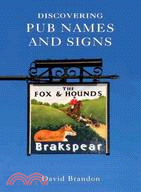
Do you know where "The George and Dragon" derives from? Probably. How about "The Gloucester Flying Machine?" Probably not. Some pub names pop up time and again, others have a unique story to tell. Thi
The evolution of beekeeping can be traced in the changing shape of the beehive and in the various structures used to house and protect it. These range from simple recesses holding one or two straw hiv
Although misericords were originally installed on the hidden undersides of church folding seats to provide comfort to those standing for long periods of prayer, the have gradually become more ornately
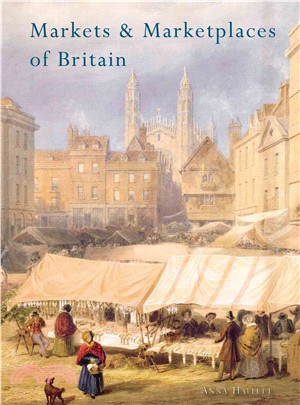
The market towns of the British Isles were a vital part of rural life, offering farmers and traders the opportunity to bring their produce to sell. Today, many of these traditional market towns still
Originally constructed as landing stages for trippers by boat in the nineteenth century, piers later developed into attractions in themselves, with ornate pavilions, delicate ironwork and exotic light
The hansom cab is one of the most striking images of the Victorian city, but it was not the only type of cab to be found. Much of the work was done by the 'growler', a four-wheeled cab that rattled th
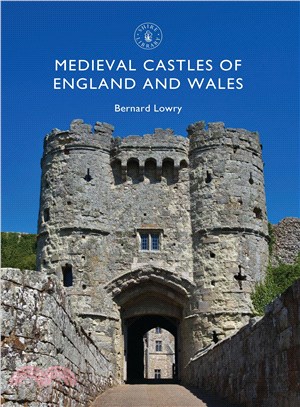
Designed both to protect the their inhabitants of the towns they towered over and cow them into submission, castles dominated the landscape of Medieval England and Wales. Though some were built before
Building blocks have been a familiar presence in children's toy collections for generations, but in the twentieth century new production techniques allowed the building brick to evolve into a multipli
The iconic shape of George and Robert Stephenson's Rocket, as unveiled to the world in 1829, is arguably the most enduring silhouette in railway history. But why was Rocket that special, curious, shap
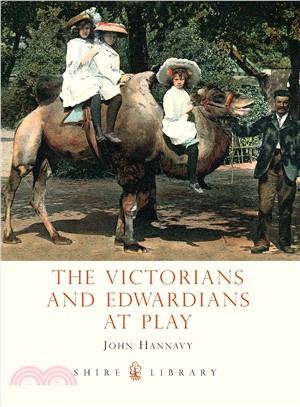
A picture can say a thousand words and the images caught on camera during the Victorian and Edwardian periods provide a fascinating insight into the lives of Britons during this time. Take a step bac
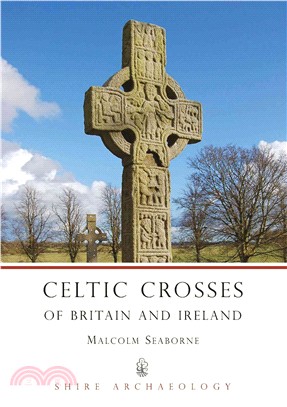
Ring-headed crosses of impressive height and intricate design were first erected in Iona and Ireland from the eighth century onwards. This book deals with these but also shows how they were the culmin