In the days before refrigeration, the very wealthy would use specially designed icehouses to store food from one season to the next. This book examines the design and development of icehouses, using m
Coins are among the most important sources of information for the Anglo-Saxon period. In addition to what they tell us about the Anglo-Saxon economy, the combination of inscriptions and images provide
Allotments are small areas of land rented to individuals to grow their own food. Nowadays often thought of as havens for peace and quiet, the humble allotment has a surprisingly turbulent history. Bor
As long ago as the 1720s, Daniel Defoe wrote about the eccentricities of English dialects. To historians the dialects used in the Yorkshire Dales and rural East Anglia are as important in understandin
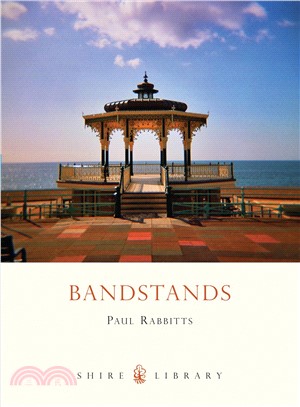
Bandstands are a distinctive feature of the public parks and boardwalks all over Britain. But what do we actually know about them? Why did they appear in Britain's earliest parks? When were they erect
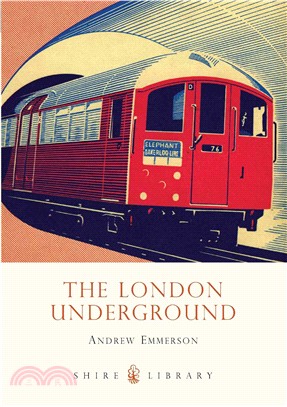
The London Underground is the heart of London life, used by millions of commuters and shoppers every year, its tentacles extending into the suburbs it has helped to create. Its turbulent life has been
The broader Regency period 1795-1820 stands alone as an incredible moment in fashion history unlike anything that went before or after. It was the most naked period since Ancient Greece and before the
Button collecting has been a hobby in America and Britain for a number of years. Organized along the lines of stamp collecting, there is an incredible variety of buttons available, with the most magni
The humble buckle is an oft-taken for granted fastening, yet its usefulness and sturdiness has ensured that it has survived from ancient times through to the present day. The author provides a compreh
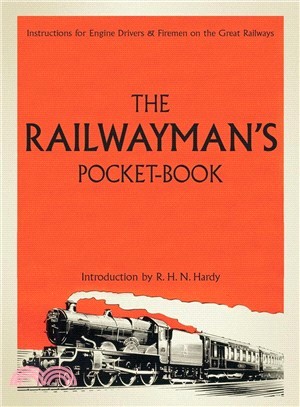
This fascinating pocket book draws on numerous primary sources from the early days of the rail network through to the Big Four, British Railways and beyond to present a unique guide to the knowledge a
Poole Pottery is recognized as one of the most distinctive and most collected potteries of the twentieth century. Founded by Jesse Carter in 1873, by the 1880s the factory was well known for its tilin
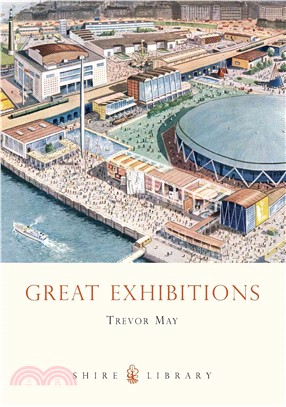
In 1851 an event was organized in London that changed the world: The Great Exhibition. It was a spectacular showcase of technology, manufacture and design from all over the world. In just a few months
A dolls' house provides a surprisingly accurate glimpse into the world in which it was created. It can reflect many aspects of the way that people lived at the time, from furniture and decorative styl
This is the intriguing story of garden gnomes and how they have come to reside in the flowerbeds of gardens across Britain. Originating in Europe, gnomes made the leap across the channel in the ninete
With 16.5 million examples built between 1908 and 1927, the Model T Ford was, until overtaken in the 1970s by the Volkswagen Beetle, the most popular car in the history of the automobile. Mass-produce
Oft-overshadowed by the imposing buildings that line the River Thames, the bridges of London are an intriguing part of the capital, past and present. This book traces the history of all 33 Thames brid
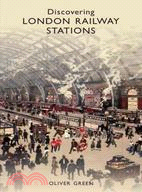
London is the supreme railway city. In 1900 it had fourteen railway termini, more than any other city in the world. A century later only one of them has disappeared completely, and just three have und
The nineteenth century saw huge changes in design, technology and taste, so that by the time Queen Victoria died in 1901, the middle-class home looked very different from the way it had at her access
The First World War was the conduit for some of the most dramatic changes in the role of women in British society. Suffragettes gave up their militant protests to support the war effort, and from the
In the aftermath of World War II, design was key to a new way of living as carefully thought-out principles were applied to new homes and commercial buildings across the country. From open plan living
Growing up as a child during the Second World War could be a frightening, strange or even an exciting experience. For many city children the war brought evacuation to the countryside and a way of life
This book guides the reader through the intricacies of identifying a piece of lace, listing and illustrating the points to look through in each lace. It covers the whole range of lace from all parts o
The busy streets of London have been traversed for centuries and many a Londoner or tourist may feel that they are familiar with all the capital has to offer. Yet the eight walks described in this vol
There are over thirty million sheep in Britain belonging to more than sixty different breeds. They are almost as varied in shape, color and size as the many breeds of dog, but are far less well-known.
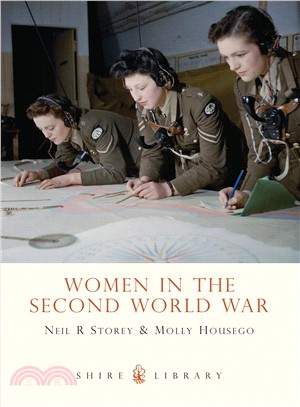
When the winds of war blew for a second time the women of Britain answered the call. Many of the first to volunteer had served in World War I, and now they offered their services again, bringing their
The Toby jug is often seen a s a uniquely British form of ceramics. Its history dates back at least as far as the 1770s, and it is possible to trace its ancestors even further back to the creation of
Presenting snippets from Bradshaw's Handbook and other Victorian publications, the 2018 edition of the bestselling Bradshaw's desk diary is ideal for any enthusiast of Britain's Victorian railways or
Austin, Hillman, Morris, Standard and Wolsclcy are a handful of the myriad marques that once constituted Britain's indigenous motor industry. Born in 1896 into the high summer of Victorian prosperity
For over three thousand years, ancient Egyptian sculptors created statues of deities, kings and elite officials and their families. These were set up mainly in temples or tombs and played a vital rol
The rood screen was used to divide the nave and chancel--the secular and the sacred--in parish churches in the Middle Ages. The screen was a visual spectacle, adorned with images of saints and surmoun
Illuminated manuscripts are among the most beautiful, precious and mysterious works of Western art. Before the printing press was invented, books were produced by hand, and their illustration using br
For a hundred years the Royal Air Force has been at the forefront of the UK's defenses, protecting its allies, attacking its enemies, and, in the 1950s and 1960s, providing a key part of Britain's Nuc
Provides an introduction to Roman dress accessories (non-precious metal jewellery). Using evidence from finds, this book examines production areas, distribution patterns and the locations of workshops
Victorian pumping stations are colorful cathedrals of utility. Their imposing and striking exteriors enclose a highly decorative cast-iron frame, built to encage mighty steam engines. They are gloriou
Between the 1940s and the 1960s the microcar posed a challenge to large companies producing cars in huge volumes to a uniform pattern. The microcar was the opposite, produced by small entrepreneurial
The Land Speed Record is a fascinating story of human endeavor--of man and machine battling time to be the fastest. Since 1898 many have dreamed of being the fastest on earth, first with electric, the
In the space of little more than a hundred years, from the Roman conquest of Gaul in the mid first century BC to the defeat of Boudicca in AD 61, Britain saw the final and arguably the most impressiv