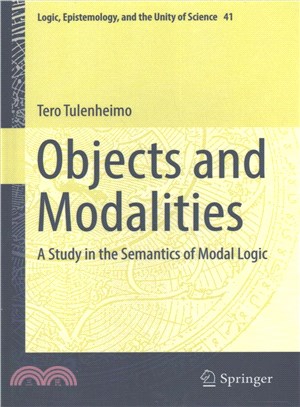
This book offers a state-of-the-art introduction to the basic techniques and results of neighborhood semantics for modal logic. In addition to presenting the relevant technical background, it highligh
This book develops a novel generalization of possible world semantics, called ‘world line semantics’, which recognizes worlds and links between world-bound objects (world lines) as mutually independen
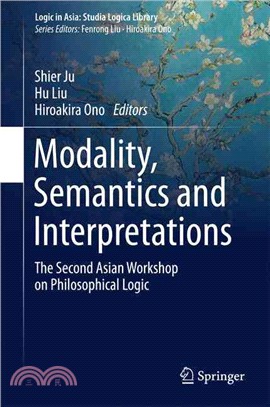
This contributed volume includes both theoretical research on philosophical logic and its applications in artificial intelligence, mostly employing the concepts and techniques of modal logic. It colle
Willard Van Orman Quine (1908-2000) was probably the most influential American philosopher of the twentieth century. In Trading Ontology for Ideology Lieven Decock offers an insightful analysis of the
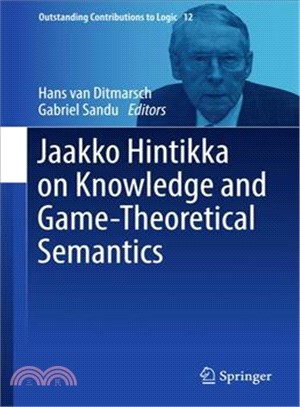
This book focuses on the game-theoretical semantics and epistemic logic of Jaakko Hintikka. Hintikka was a prodigious and esteemed philosopher and logician, and his death in August 2015 was a huge los
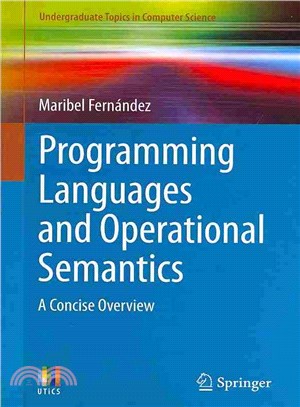
This concise introduction to the essential concepts in contemporary programming languages features a host of illustrative examples. It explains modern imperative, functional, and logic-based languages
This book presents a novel approach to database concepts, describing a categorical logic for database schema mapping based on views, within a framework for database integration/exchange and peer-to-pe
This book presents comparisons of recent accounts in the formalization of natural language (dynamic logics and formal semantics) with informal conceptions of interaction (dialogue, natural logic and a
This book constitutes the thoroughly refereed proceedings of the 21st International Symposium on Logic-Based Program Synthesis and Transformation, LOPSTR 2011, held in Odense, Denmark in July 2011. Th
Doing Worlds with Words throws light on the problem of meaning as the meeting point of linguistics, logic and philosophy, and critically assesses the possibilities and limitations of elucidating th
Here is a presentation of LISP which is both practical and theoretical. For the practical, the syntax of the language, the programming styles, and the semantics of computation are carefully developed.
Benefiting researchers and graduate students involved in mathematical logic, this book opens with a detailed theory of reactive Kripke semantics in the first seven chapters, followed by five chapters