This is the first book to provide a broad framework for obtaining an in depth understanding of the state-of-the-art knowledge on abnormalities of non-coding RNAs found to be associated with colorectal
This book presents a state-of-the-art compilation of articles on the role of non-coding RNAs as pivotal molecules for establishing functional relationships between different organisms. It also describ
The book conveys a comprehensive knowledge of long and short ncRNAs in cancer regulation and their potentials as diagnostic biomarkers and therapeutic targets. Topics covered include the molecular mec
This volume focuses on the roles of long non-coding RNAs (lncRNAs) in contexts ranging from human cancers to cardiovascular disease and ageing. The role of lncRNAs in X-inactivation and those lncRNAs
This volume assembles a broad spectrum of methods used in long non-coding RNAs (lncRNA) research, ranging from computational annotation of lncRNA genes to molecular and cellular analyses of the functi
This volume contains state-of-the-art methods tackling all aspects of small non-coding RNAs biology.Small Non-Coding RNAs: Methods and Protocols guides readers through customized dedicated protocols a
The book serves as a comprehensive resource for scientists and clinicians studying the role of non-coding RNAs in inflammation (viral infections, wound inflammation), human inflammatory diseases (i.e.
Regulatory Non-Coding RNAs: Methods and Protocols offers a collection of methods for those interested in the discovery, localization, and functional analysis of these non-coding transcripts that have
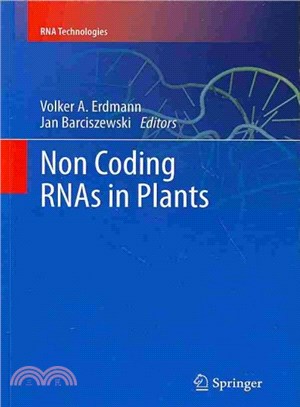
Discovered just 20 years ago, ncRNAs have been dubbed the ‘secret regulators’ of cells. Only recently has their function in plants been investigated. In this book leading researchers relate recent dis
General inspection of a role performed in the cell by RNAs allows us to distinguish three major groups of transcripts: I. protein-coding mRNAs, II. non-coding housekeeping and III. regulatory RNAs. Th
In the most recent years, each of the RNA silencing pathways of plants have appeared to generate ncRNAs with dedicated functions, specialized biological activities and specific functional scopes.RNA s
Long non-coding RNAs (lncRNAs), tentatively defined as ncRNAs of more than two hundred nucleotides in length, are characterized by the complexity and diversity of their sequences and mechanisms of act
This book assembles chapters from experts in the Biophysics of RNA to provide a broadly accessible snapshot of the current status of this rapidly expanding field. The 2006 Nobel Prize in Physiology or
This contributed volume offers a comprehensive and detailed overview of the various aspects of long non-coding RNAs and discusses their emerging significance. Written by leading experts in the field,
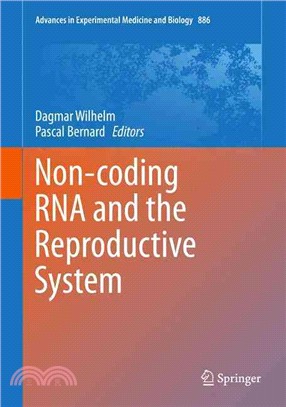
This book provides an overview of the role and function of regulatory RNAs that lack protein-coding potential in key reproductive tissues. This includes the role of small interfering RNAs (siRNAs), mi
The discovery of microRNAs and its role as gene expression regulators in human carcinogenesis represents one of the most important scientific achievements of the last decade. More recently, other non-
There is now compelling evidence that the complexity of higher organisms correlates with the relative amount of non-coding RNA rather than the number of protein-coding genes. Previously dismissed as “
Epigenetic mechanisms (DNA modifications, histone alterations and non-coding RNAs) are crucial for transcriptional regulation and alterations of the “physiological epigenome” are increasingly associat
This volume provides a variety of protocols to analyze various epigenetic changes, including differential expression of non-coding RNAs, changes in DNA methylation, and histone modifications in p
Over 98% of the human genome contains non-coding DNA sequences. For many years molecular biologists referred to this component of the genome as the “junk” DNA since it does not code for any “useful” p
This volume focuses on cytological, biochemical, and molecular biological methods to identify and examine the function of each nuclear body, with an emphasis on the analysis of long non-coding RNAs. C
miRNAs are a class of endogenous, small non-protein coding RNA molecules (~ 22 nucleotides) which are novel post-transcriptional regulators of gene expression. Since we have hundreds of miRNAs, the ma
microRNAs (miRNAs) are small non-coding RNAs that regulate various biological phenomena, such as development and homeostasis. The dysregulation of miRNA leads to disease progression, particularly of c
Recent progress in high-throughput technologies and genome wide transcriptome studies have lead to a significant scientific milestone of discovering non-coding RNAs (ncRNAs) which spans through a majo
Nearly 97% of the human genome is the non-coding DNA, which varies from one species to another, and changes in these sequences are frequently noticed to manifest clinical and circumstantial malfunctio
The understanding of the physical and genetic structure of plant genomes and the determination of phenotypes via interactions of coding and non-coding regions with the environment has quickly become t
Nearly 97% of the human genome is the non-coding DNA, which varies from one species to another, and changes in these sequences are frequently noticed to manifest clinical and circumstantial malfuncti