In the first half of the twentieth century, many writers and artists turned to the art and received example of the Elizabethans as a means of articulating an emphatic (and anti-Victorian) modernity. B
Informal networks are an elusive and hidden factor in every society. In the Middle East, the Arab Spring recently highlighted their power and scope from Iraq to Morocco, exposing how family and clan n
The conquest of Egypt by Islamic armies under the command of Amr ibn al-As in the seventh century transformed medieval Egyptian society. Seeking to uncover the broader cultural changes of the period b
The Bhagavata Purana is one of the most important, central and popular scriptures of Hinduism. A medieval Sanskrit text, its influence as a religious book has been comparable only to that of the great
The Caliph Al-Muntasir was the eighth Shi'ite Isma'ili Fatimid Caliph, making him both the Isma'ili Imam and secular ruler of a vast empire when he came to power in 1036 at the age of 7. Although he r
Naval and Military Memoirs of Great Britain is the single most important contemporary account of the navy in the eighteenth century. Its six volumes represent a new approach to naval strategy. Defeat
The Iranian cleric Ayatollah Montazeri (1922-2009) played an integral role in the founding of the Islamic Republic in the wake of the Iranian Revolution of 1978/9. Yet at the time of his death, Montaz
Johann Georg von Hahn—a nineteenth-century Austrian diplomat and explorer—is generally considered to be the founder of Albanian Studies as a scholarly discipline. It was he who first studied the Balka
Since the Iranian Revolution of 1979, the close alliance between Syria and Iran has endured for over three decades, based on geopolitical interests between the two states and often framed in the langu
Demonstrates how the transnational process of forging an industry designed to define a national culture proved particularly contentious and surprisingly contradictory in the heyday of racial nationali
The Nahda (lit. 'the Awakening') was one of the most significant cultural movements in modern Arab history. By focusing on the neglected role of women in the intellectual Islamic renaissance of the la
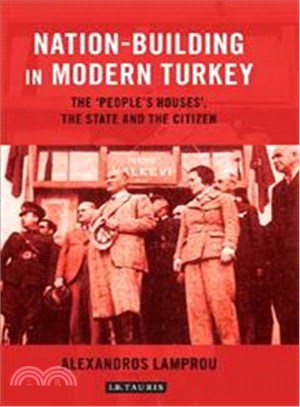
From 1924 to 1946 the Republic of Turkey was in effect ruled as an authoritarian single-party regime. During these years the state embarked upon an extensive reform programme of modernisation and nati
Italy in the thirteenth century was transformed by two new religious orders, the Dominicans and the Franciscans. They created a tremendous demand for works of all kinds – painted altarpieces, crucifix
The politics of water have taken centre stage in global concerns about sustainable development. The Governance of Water and Sanitation in Africa investigates a new mode of achieving the Millennium Dev
The pioneering film director and theorist Sergei Eisenstein is known for the unequalled impact his handful of films have had on the development of cinema. Less is known about his remarkable and extens
The role of Islam in the state has become one of the most contentious issues in modern Middle Eastern society. It holds a central position in every public debate over constitution, law and civil right
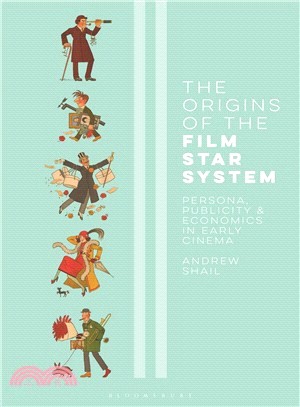
Film stars are central to today's celebrity-obsessed culture. Yet, in the early decades of cinema, the industry faced disincentives to using the identities of performers for publicity. For over 12 yea
Although ostensibly presented as “light entertainment,” the work of writer-director-producer Joss Whedon takes much dark inspiration from the horror genre to create a unique aesthetic and perform a cu
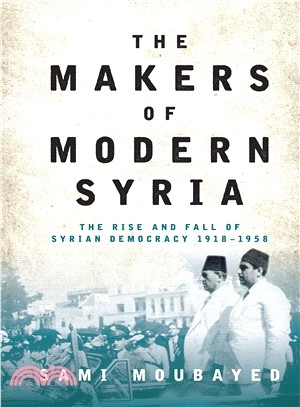
In the aftermath of World War I Syria paved a path towards democracy. Initially as part of the French mandate in the Middle East and latterly as an independent republic, Syria put in place the instrum
The decade of democratic reforms in Afghanistan, 1963–1973, is often viewed as a 'golden era' of stability and progress. Bahar Jalali demonstrates, however, that the roots of Afghanistan's turbulent r
"Two Romes have fallen. The third stands. And there will be no fourth."So spoke Russian monk Hegumen Filofei of Pskov in 1510, proclaiming Muscovite Russia as heirs to the legacy of the Roman Empire f
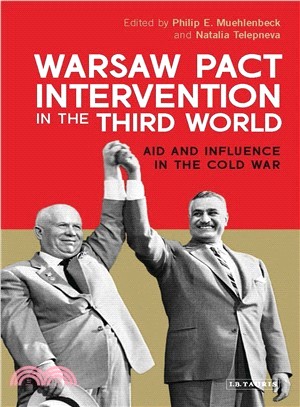
It was long assumed that the Soviet Union dictated Warsaw Pact policy in Africa, Asia, the Middle East and Latin America (known as the 'Third World' during the Cold War). Although the post-1991 openin
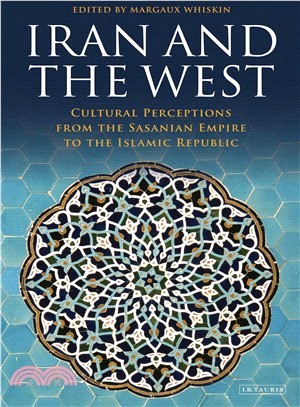
Since the age of the Sasanian Empire (224–651 AD), Iran and the West have time and again appeared to be at odds. Iran and the West charts this contentious and complex relationship by examining the myr
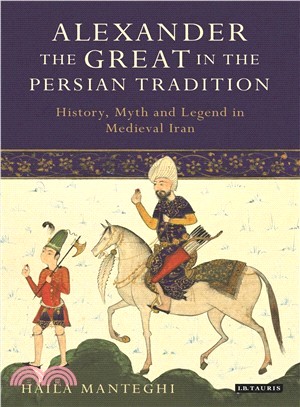
Alexander the Great (356–333 BC) was transformed into a legend by all those he met, leaving an enduring tradition of romances across the world. Aside from its penetration into every language of mediev
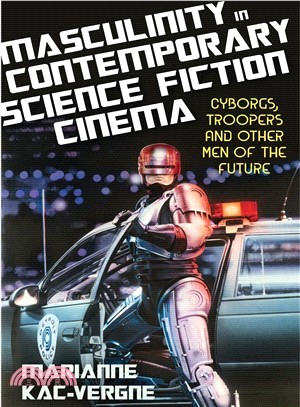
If science fiction stages the battle between humans and non-humans, whether alien or machine, who is elected to fight for us? In the classics of science fiction cinema, humanity is nearly always repre
Ante Pavelic was the leader of the fascist party of Croatia (the Ustaše), who, on Adolf Hitler's instruction, became the leader of Croatia after the Nazi invasion of 1941. Pavelic was an extreme Croat
Fashion featured in black-letter broadside ballads more than 100 years before fashion magazines appeared in England. In the 17th Century, these single-sheet prints contained rhyming song texts and woo
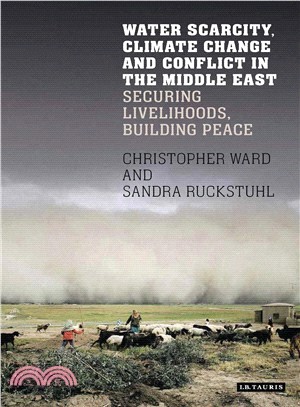
The countries that make up the MENA region display wide diversity. One of the poorest countries in the world sits alongside two of the wealthiest, whilst the region's natural resources range from imme
One of the most common religious practices among medieval Eastern Christian communities was their devotion to venerating crosses and crucifixes. Yet many of these communities existed in predominantly
Following the Arab Spring, the use of social media has become instrumental in organising activist movements and spreading political dissent in the Middle East. New online behaviours have transformed t
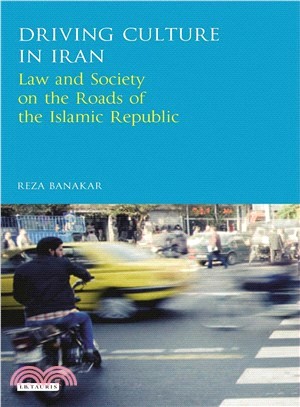
Iran has one of the highest rates of road traffic accidents worldwide and according to a recent UNICEF report, the current rate of road accidents in Iran is 20 times more than the world average. Using
The percentage of women aged 15-49 in Egypt who have undergone the procedure of female circumcision, or genital mutilation/cutting (FGM/C) stands at 91%, according to the latest research carried out b
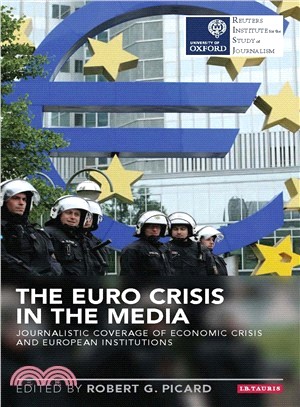
The Euro Crisis produced the most significant challenge to European integration in 60 years—testing the structures and powers of the European Union and the Eurozone and threatening the common currency
From early examples such as Star Trek and Sapphire and Steel to more contemporary shows including Life on Mars and The Vampire Diaries, time has frequently been used as a device to allow programme mak
Garden cities sought to combine the best of town and country living to provide healthy vibrant communities on a human scale: affordable housing for all classes in tree-lined streets with well-tended g
The start of the twentieth century ushered in a period of unprecedented change in the Middle East. These transformations, brought about by the emergence of the modern state system and an increasing in
Since the colonial era in Africa, racism and ethnicity have largely led to serious conflicts – the Nigerian-Biafran War, killings in Darfur, xenophobic attacks in South Africa - that have cost lives a
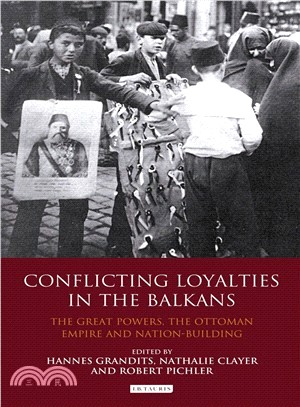
The collapse of the Ottoman Empire resulted in the birth of new nation states in the Balkans in the late nineteenth and early twentieth centuries. Conflicting Loyalties in the Balkans offers a fresh p
`This is an important book, not only because of the new empirical material presented. but equally, because of its intellectual ambition. It offers the reader clear case studies in the machinations of
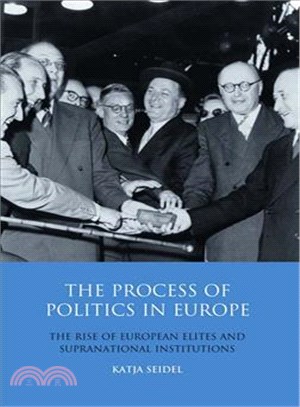
With the launch of the European integration process after World War II, a new type of administration emerged which was neither an international organization nor a national administration. Drawing on e