The Arab Spring, which swept across the Middle East between 2010 and 2012, demonstrated the extent to which military structure and decision-making determine whether peaceful uprisings lead to democrat
An estimated one million Armenians were killed in the dying days of the Ottoman Empire in 1915. Against the backdrop of World War I, reports of massacre, atrocity, genocide and exile sparked the large
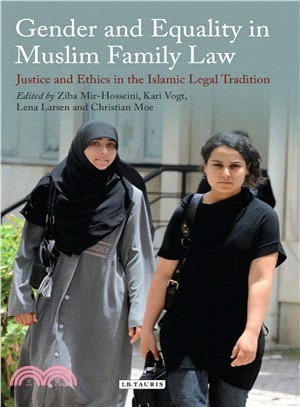
Gender equality is a modern ideal, which has only recently, with the expansion of human rights and feminist discourses, become inherent to generally accepted conceptions of justice. In Islam, as in ot
The ancient Greeks attributed great importance to the sacred during war and campaigning, as demonstrated from their earliest texts. Among the first four lines of the Iliad, for example, is a declarati
Railway expansion was the great industrial project of the late 19th century, and the Great Powers built railways at speed and reaped great commercial benefits. The greatest imperial dream of all was t
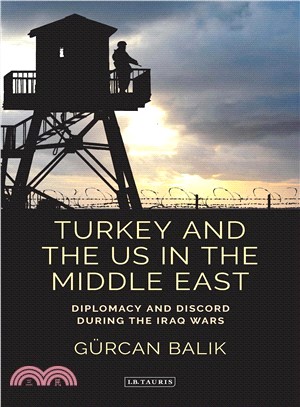
Turkey's recent foreign policy has led to fractious relations with countries in the Middle East and the US. Written by the former chief foreign policy advisor to the Turkish president and based on unp
The idea of maslaha has a rich history in classical legal thought and literature. Conventionally translated into English as 'general benefit' or 'general interest', it has been the subject, over many
Ottoman naval technology underwent a transformation under the rule of Sultan Selim III. New types of sailing warships such as two- and three-decked galleons, frigates and corvettes began to dominate
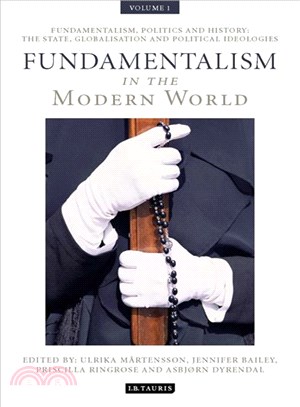
How does religious fundamentalism operate in modern global society? This book is the first in a two-volume set that analyzes the dynamics of fundamentalism and its relationship to the modern state, th
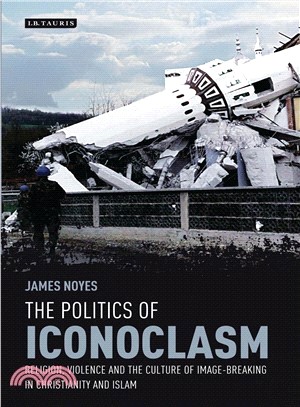
From false idols and graven images to the tombs of kings and the shrines of capitalism, the targeted destruction of cities, sacred sites and artefacts for religious, political or nationalistic reasons
How does religious fundamentalism operate in modern global society? This is the second book in a two-volume set analyzes the dynamics of fundamentalism and its relationship to the modern state, the pu
In the maelstrom of Napoleonic Europe, Britain remained defiant, resisting French imperial ambitions. This Anglo-French rivalry was, essentially, a politico-economic conflict for pre-eminence fought o
Often considered the ‘troubled partnership’ of the Western alliance, relations between Greece and Turkey during the Cold War era sometimes compromised the geopolitical interests of the United States,
As the only oil producer with sufficient spare capacity to shape the world economy, Saudi Arabia is one of the most significant states in twenty-first century geopolitics. Despite the enormous potenti
Portuguese cinema has become increasingly prominent on the international film festival circuit and yet can still be described as a "small nation cinema." From box-office hit La Cage Dorée to the prest
The teachings, style and impact of the Qur'an have always been matters of controversy, among both Muslims and non-Muslims. But in a modern context of intercultural sensitivity, what the Qur'an says an
The Mediterranean was one of Napoleon's greatest spheres of influence. With territory in Spain, Italy and, of course, France, Napoleon's regime dominated the Great Sea for much of the early nineteenth
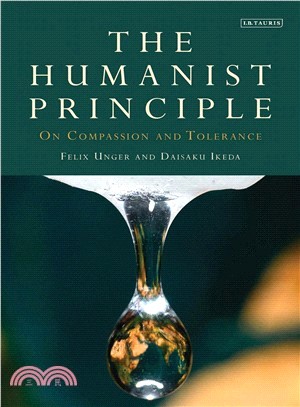
What is the nature of tolerance? Can it be engendered by religion? And how might different cultural traditions, whether religious or secular, assist in promulgating the vital principle of humanistic d
Babylon: for eons its very name has been a byword for luxury and wickedness. 'By the rivers of Babylon we sat down and wept', wrote the psalmist, 'as we remembered Zion'. One of the greatest cities of
When the Islamic Republic of Iran launched its fully-articulated political agenda in the aftermath of the 1979 revolution, it merged the concept of political Islam with the previously secular readings
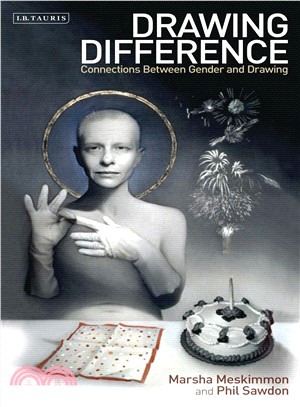
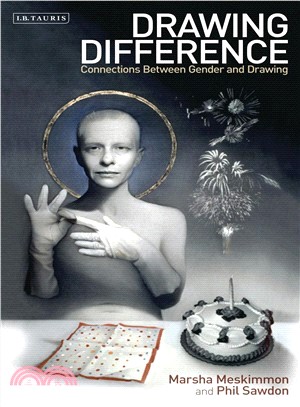
Drawing has been growing in recognition and stature within contemporary fine art since the mid-1970s. Simultaneously, feminist activism has been widespread, leading to the increased prominence of wome
Drawing has been growing in recognition and stature within contemporary fine art since the mid-1970s. Simultaneously, feminist activism has been widespread, leading to the increased prominence of wome
As the only oil producer with sufficient spare capacity to shape the world economy, Saudi Arabia is one of the most significant states in twenty-first century geopolitics. Despite the enormous potenti
The Nazi Holocaust is one of the most momentous events in human history. Yet, it remains on many levels a baffling and unfathomable mystery. By shunning simplistic ‘explanations’ Ronnie Landau has set
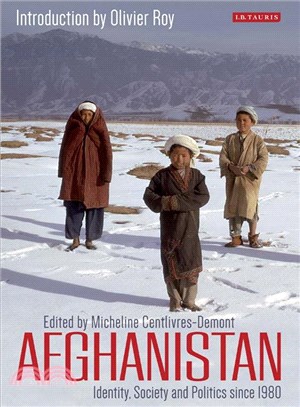
Over the last three decades Afghanistan has been plagued by crisis – from Soviet invasion in 1979 and Taliban rule to US invasion following the events of 9/11. Here the top specialists on Afghanistan,
During the apartheid era, the British government faced an uneasy dilemma: while repudiating apartheid laws it maintained an ambiguous stance towards the South African government. This is the first boo
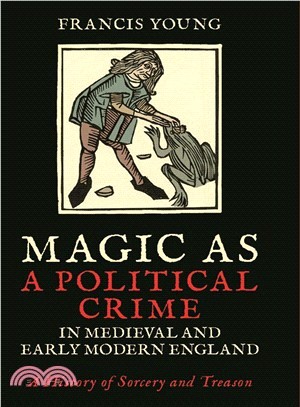
Treason and magic were first linked together during the reign of Edward II. Theories of occult conspiracy then regularly led to major political scandals, such as the trial of Eleanor Cobham Duchess of
In 1946, Europe’s leading artists, philosophers and writers formed a transnational society designed to defuse the tensions left by World War II. The Society of European Culture was founded by some of
Having monopolized Central Asian politics and culture for over a century, the Timurid ruling elite was forced from its ancestral homeland in Transoxiana at the turn of the sixteenth century by an inva
The Safavid era is of special significance in the history of Iran. Under the Safavids - between the sixteenth and the mid-eighteenth century - Iran was transformed and a state emerged which was the fo
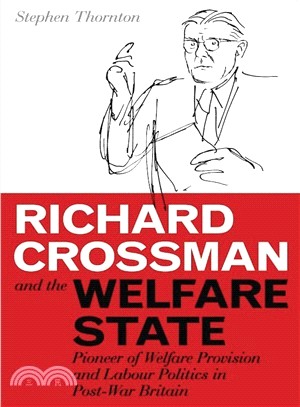
Generally remembered as a notorious diarist rather than a serious political figure, Richard Crossman’s imposing presence in Harold Wilson’s Cabinet during the 1964-1970 Labour governments proved, not
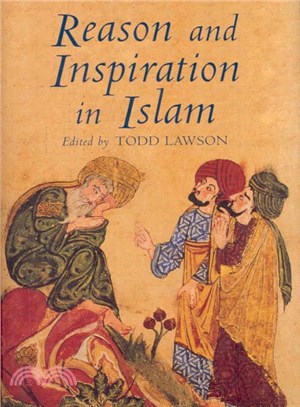
In all the current alienating discourse on Islam as a source of extremism and fanatic violence this new publication takes a timely and refreshing look at the traditions of Islamic mysticism, philosoph
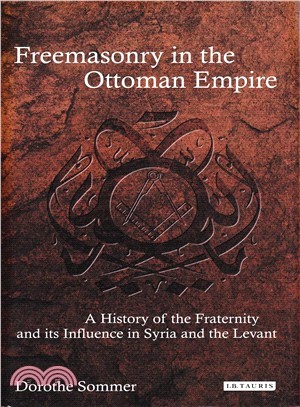
The network of freemasons and Masonic lodges in the Middle East is an opaque and mysterious one, and is all too often seen-within the area-as a vanguard for Western purposes of regional domination. Bu
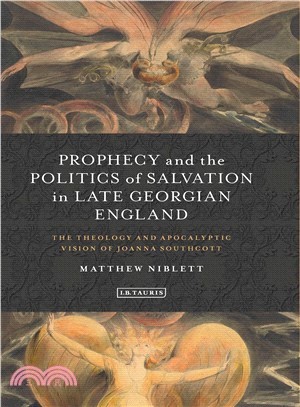
Joanna Southcott (1750 – 1814) remains one of the most significant and extraordinary religious figures of her era. In an age of reason and enlightenment, her apocalyptic prophecies managed to attract
The vibrant Irish public house of the nineteenth century hosted broad networks of social power, enabling publicans and patrons to disseminate tremendous influence across Ireland and beyond. During the
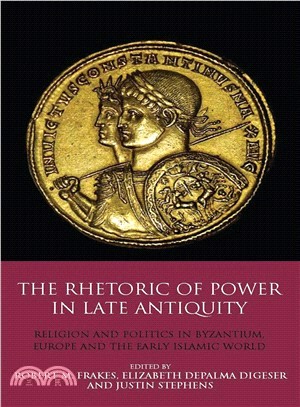
Late Antiquity, the period of transition from the crisis of the Roman Empire in the third century to the Middle Ages, was once considered only in terms of the 'decline' from classical standards. More
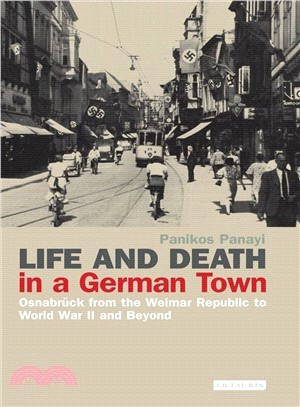
The period between 1929 and 1949 is arguably the most traumatic and destructive in the history of Germany. Using vital primary sources, archival material and revealing interviews, Panikos Panayi prese
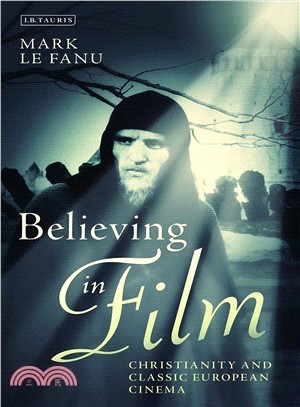
We live in a secular world and cinema is part of that secular edifice. There is no expectation, in modern times, that filmmakers should be believers – any more than we would expect that to be the case
This book marks a turning point in architectural theory by using philosophy to examine the field anew. Breaking from the traditional dualism within architecture – which presents the body as subject an
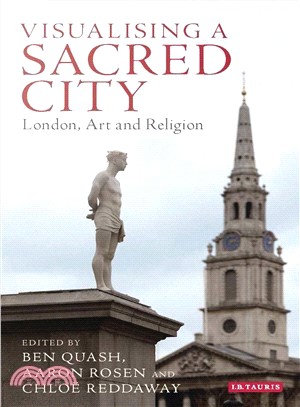
William Blake famously imagined 'Jerusalem builded here' in London. But Blake was not the first or the last to visualise a shimmering new metropolis on the banks of the River Thames. For example, the