Science fiction is perhaps the most effective genre to explore the concerns of the present whilst reflecting on the possibilities of the future. But what precisely can it tell us about present and fut
In a world of increasingly mixed identities, what does it mean to belong? As western democracies increasingly curtail their support for multiculturalism, how can migrants establish belonging as citize
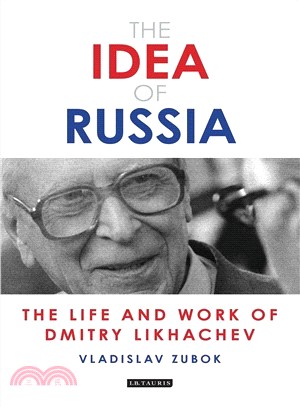
Dmitry Likhachev (1906-1999), born in St. Petersburg, was one of the most prominent Russian intellectuals of the twentieth century. His life spanned virtually the entire century -from Tsarist rule und
At the heart of the Palestinian-Israeli conflict is a dispute over territory. Yet, the Palestinian predicament is about more than the loss of land. The contest to maintain and reclaim space is firmly
Among the various Muslim communities that were articulating their doctrinal positions in the early Islamic centuries, one in particular was known derisively as the Ghulat ('extremists'). This was owin
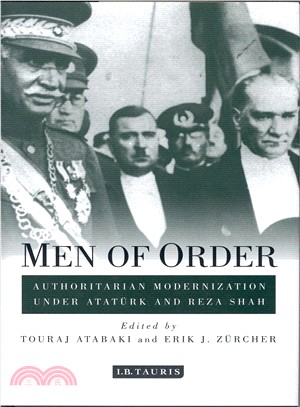
The authors trace the emergence of Atatürk and Reza Shah through the constitutional revolutions in Iran and the Ottoman Empire, which led to the introduction of European social models, the establishme
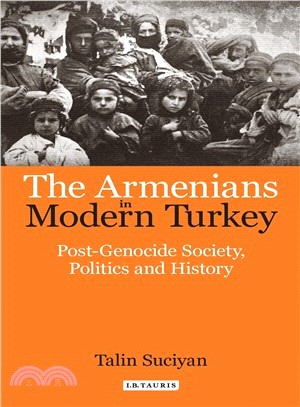
After the Armenian genocide of 1915, in which over a million Armenians died, thousands of Armenian-Turks lived and worked in the Turkish state alongside those who had persecuted their communities. Liv
The story of the 9th-century caliphal mission from Baghdad to discover the legendary barrier against the apocalyptic nations of Gog and Magog mentioned in the Quran, has been either dismissed as super
What role do ideas play in state-building and state behaviour? This book argues that government policies in both foreign relations and domestic politics must always be situated within a broader ideolo
Gecekondu settlements-or shanty towns-in large Turkish cities are mostly populated by low-income families, many of which have migrated from the villages of Central Anatolia. The rise of the Islamist p
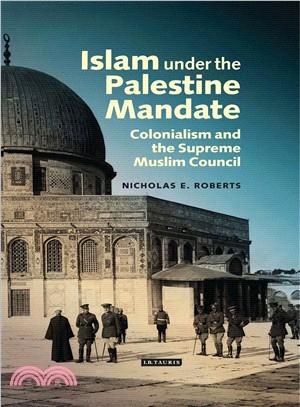
Concerns about the place of Islam in Palestinian politics are familiar to those studying the history of the modern Middle East. A vital part of this history is the rise of Islamic opposition to the Br
Transboundary watercourses account for an estimated 60 per cent of global freshwater flow and support the livelihoods of hundreds of millions of people worldwide. Yet the indeterminate status of water
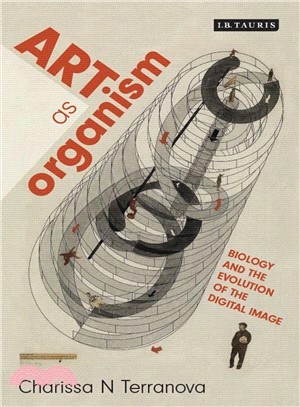
What if modernism had been characterised by evolving, interconnected and multi-sensory images—rather than by the monolithic objects often described by its artists and theorists? In this groundbreaking
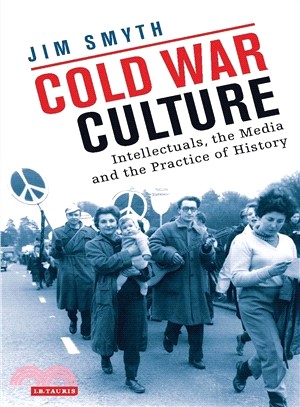
Britain in the 1950s had a distinctive political and intellectual climate. It was the age of Keynesian, of welfare state consensus, of insipient consumerism, and, to its detractors, of complacency. Wh
The Western has always been inextricably linked to the USA, and studies have continually sought to connect its historical development to changes in American society and Hollywood innovations. Focusing
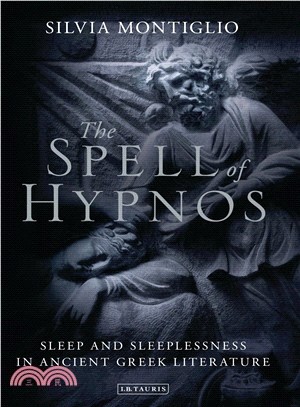
Sleep was viewed as a boon by the ancient Greeks: sweet, soft, honeyed, balmy, care-loosening, as the Iliad has it. But neither was sleep straightforward, nor safe. It could be interrupted, often by a
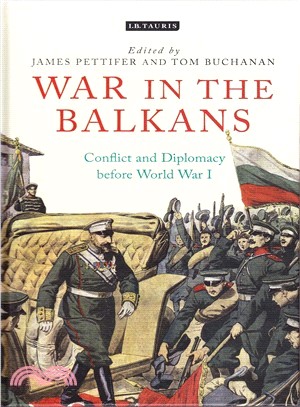
The history of the Balkans incorporates all the major historical themes of the 20th Century—the rise of nationalism, communism and fascism, state-sponsored genocide and urban warfare. Focusing on the
Regional struggles, wars and local confrontations have marked the south of Lebanon since the end of the 1960s. They have transformed this marginalized and rural region into a battlefield and redefined
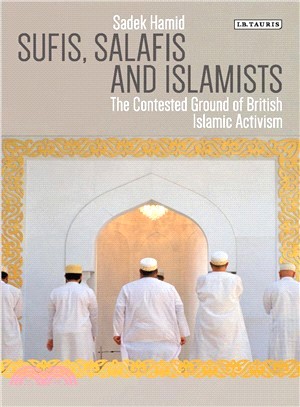
British Muslim activism has evolved constantly in recent decades. What have been its main groups and how do their leaders compete to attract followers? Which social and religious ideas from abroad are
For too long Egypt’s system of government was beholden to the interests of the elite in power, aided by the massive apparatus of the security state. Breaking point came on 25 January 2011. But several
For too long Egypt’s system of government was beholden to the interests of the elite in power, aided by the massive apparatus of the security state. Breaking point came on 25 January 2011. But several
Much has been written about the Imperial architecture of the Indian subcontinent, but this is the first book to dig deeply into the extent of imperial extravagance set against the economic and social
The Strand is one of London's most iconic streets – today the bustling and thriving home of West End theatres and the luxurious Savoy hotel; in the Victorian era, the Strand was a much more seedy and
On a sweltering day in July, 1878 the men of the 42nd Royal Highlanders—the Black Watch—waded ashore at Larnaca Bay to begin the British occupation of Cyprus. Today, Britons on sunbeds colonize the sa
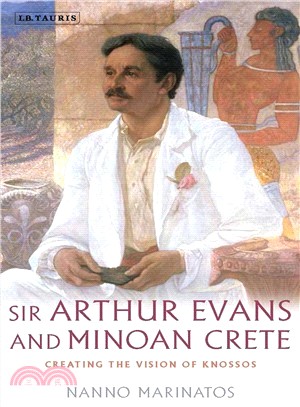
Before Sir Arthur Evans, the principal object of Greek prehistoric archaeology was the reconstruction of history in relation to myth. European travellers to Greece viewed its picturesque ruins as the
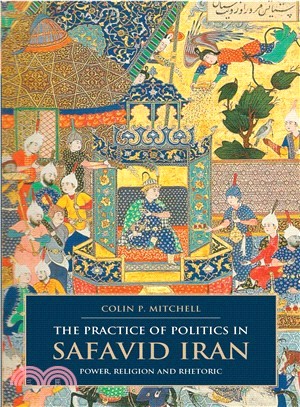
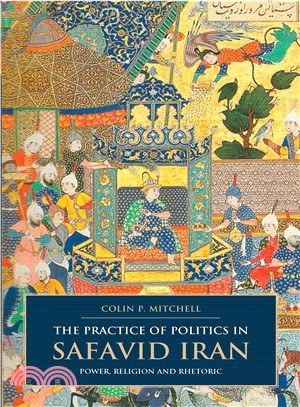
The Safavid dynasty originated as a fledgling apocalyptic mystical movement based in Iranian Azarbaijan, and grew into a large, cosmopolitan Irano-Islamic empire stretching from Baghdad to Herat. Here
Between the two world wars, Germany managed - despite all the political upheavals it was experiencing - to attract extremely large numbers of British travellers and tourists. During the Weimar period
Until the mid-twentieth century, the Dutch, with their overseas empire, had managed to stay aloof from the machinations of intra-European fighting. However, the beginning of the Cold War found them pe
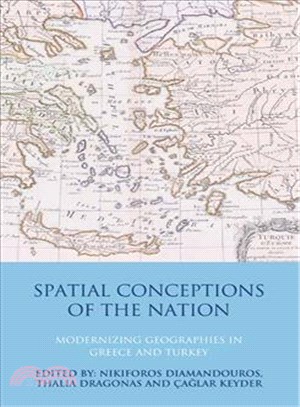
The formation of nation-states is as much the result of developments regarding land and people, as of military and political struggle. How nationalists imagined the borders of their desired territory,
The Safavid dynasty originated as a fledgling apocalyptic mystical movement based in Iranian Azarbaijan, and grew into a large, cosmopolitan Irano-Islamic empire stretching from Baghdad to Herat. Here
To understand contemporary Iran’s notoriously complex politics, it is essential first to grasp the monumental changes initiated by Mohammad Khatami. This previously little-known cleric stormed
Our understanding of medieval Central and Eastern Europe is being revitalized by new directions in cultural history. Careful and detailed portraits of fourteenth- and fifteenth-century life in the reg
Since the end of the Cold War, United Nations peace operations have become an established and prominent feature of world politics. From Liberia to East Timor, the UN now carries out extensive governan
Lady Isabella (Isabel) Caroline Somerset embodied social reform in the nineteenth century. The failure of her traumatic marriage to Lord Henry Charles Somerset after revelation of his homosexual affa
The endangered and dangerous female figures of Rebecca, of Jagged Edge and What Lies Beneath have a deserved and enduring fascination. Helen Hanson re-examines these gothic heroines of Hollywood and t
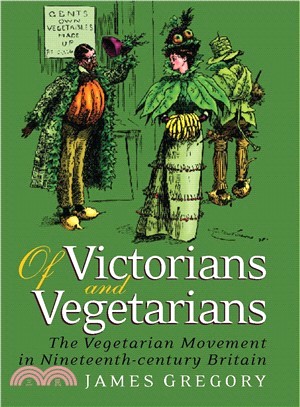
Nineteenth-century Britain was one of the birthplaces of modern vegetarianism in the West. In 'Of Victorians and Vegetarians' James Gregory explores the relationship between this newly organized movem
This book is a welcome and original contribution to the world of ‘Star Trek.’? The book not only sets 'Star Trek' in dialogue with ideas and stories of utopia, community, self-improvement, that are ce
Looking at the how the werewolf has been interpreted by anthropologists, psychologists and criminologists, the author explores the werewolf's appearance across a number of popular forms, from film to
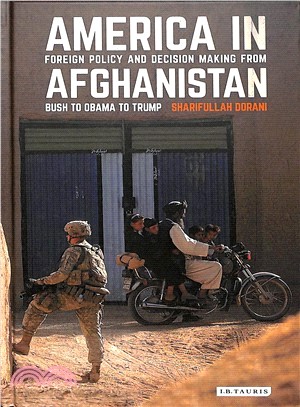
Afghanistan has been a theater of civil and international conflict for much of the 20th Century stability is essential if there is to be peace in the Middle East. Yet policymakers in the West often s
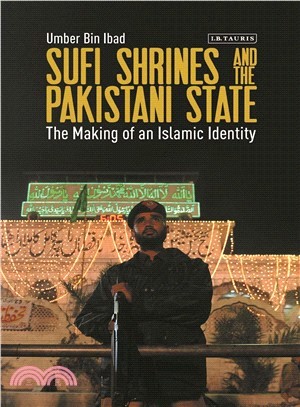
After the creation of Pakistan in 1947, Sufi shrines became highly contested. Considered deviant and 'un-Islamic', they soon fell under government control as part of a state-led strategy to create an