This volume takes up the story of the Indian National Movement from 1919 when the first nationalist struggle took place on an all-India scale. It brings the Satyagraha against the Rowlatt Act, engrave
This volume edited and introduced by Teesta Setalvad brings to light the report of the Kapur Commission which was appointed by the Government of India in 1965 to examine the depth and scope of the con
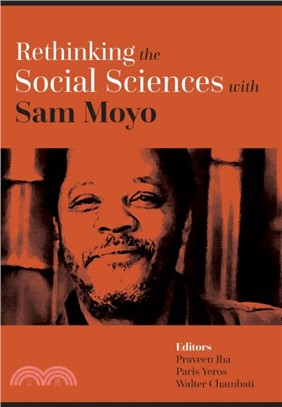
This book brings together renowned scholars from four continents to celebrate the lifelong and seminal contribution of Professor Sam Moyo to the social sciences. The late Prof. Moyo was a Zimbabwean s
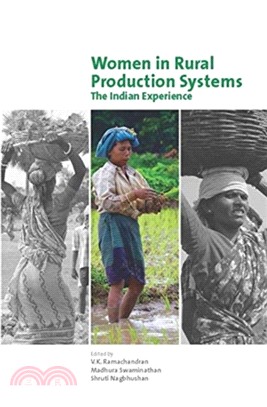
This book is a compilation of papers examining women's role in rural production systems in India. The book is divided into six sections; the first section explores conceptual, theoretical, and methodo
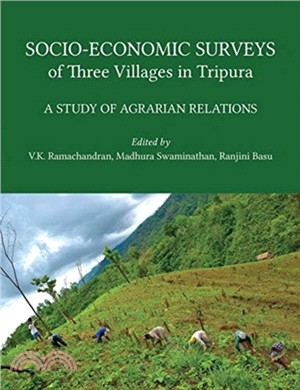
The book is a report on the village economy of the state of Tripura in India, based on a survey of three villages in the state conducted by the Foundation for Agrarian Studies in May–June 2016. The vi
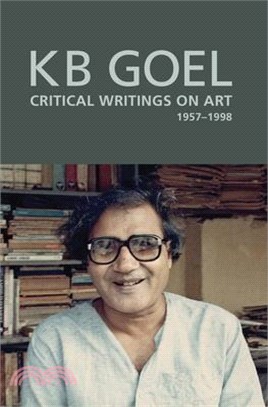
The mapping of the history and trajectory of Indian modern art is a project begun only in recent years and included in it is the recovery of lesser known names and moments from under the shadow of a f
Gulammohammed Sheikh has played a pioneering role in contemporary Indian art’s engagement with hybridity and a plural inheritance. Resolutely attentive to the multiplicity of experience and systems of
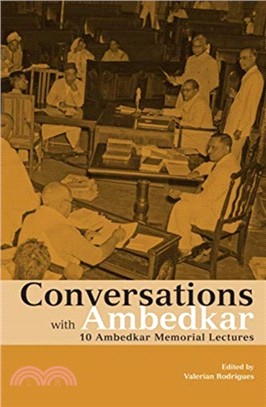
The book is a collection of ten public lectures that were delivered annually from 2009 to 2018 as part of the Dr. B. R. Ambedkar Memorial Lecture Series, instituted by Ambedkar University Delhi.
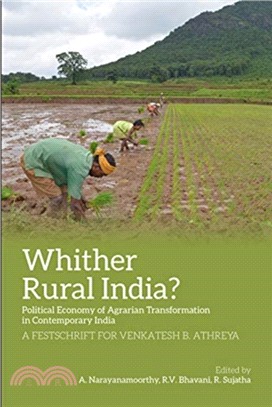
The doctoral students of the economist and teacher Venkatesh B. Athreya organized a seminar in his honor in January 2016. This book is a collection of the papers presented at that seminar and a few in
The Cultural Economy of Land is situated at two crossroads of agrarian history. The first is the cyclical seasonality of agriculture and the linear progressive time of technological innovation and pol
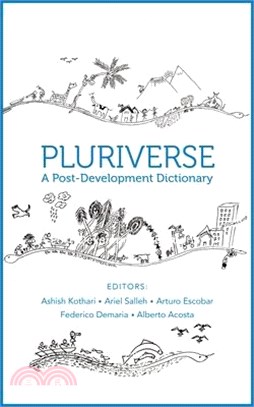
This is a stimulating collection of over a hundred essays on transformative alternatives to the currently dominant processes of globalized development, including its structural roots in modernity, cap
Early twentieth-century Calcutta was not just a point of passage within the British Empire, but a key center of colonial power; a crucial laboratory of imperial repressive practices cultivated and app
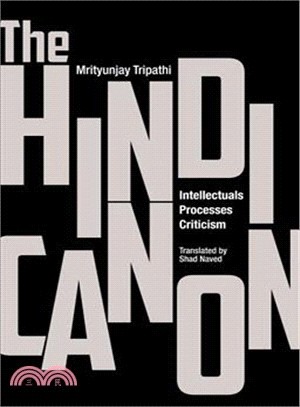
This book was first published in Hindi under the title Hindi Alochana mein Canon-Nirman ki Prakriya in 2015. It was acclaimed as one of the first critical studies of the processes of canonization (pra
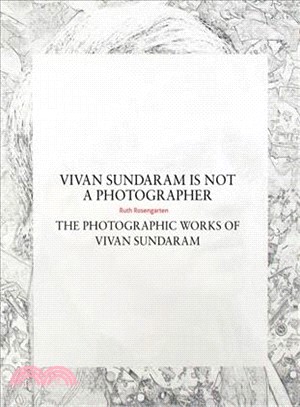
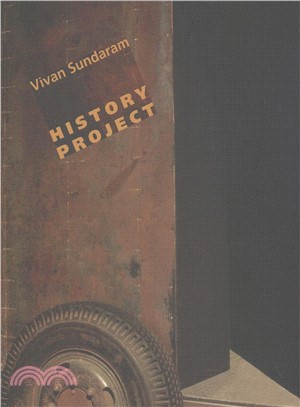
Belonging to a generation of figurative artists that emerged from the Baroda School in the early 1960s, Vivan Sundaram has consistently and passionately engaged with the historical and political parti
Agrarian transition, exploitative production relations, bondage in the agriculture and informal sectors, food insecurity, and poverty are among the central concerns that have marked the work of the em
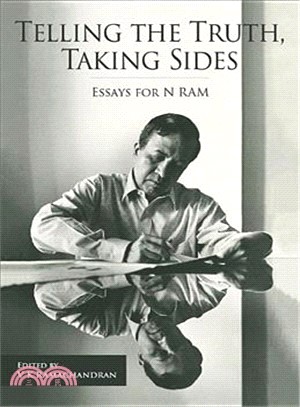
This book is a collection of essays written in tribute to N. Ram, journalist, writer, and person of the Left. Its title reflects Ram’s concern that journalism, and indeed intellectual endeavor, be bot
Born in 1945 in Odisha, India, to parents who were deeply committed to the Communist cause as members of the Communist Party of India, Patnaik is one of the most outstanding economists of his generati
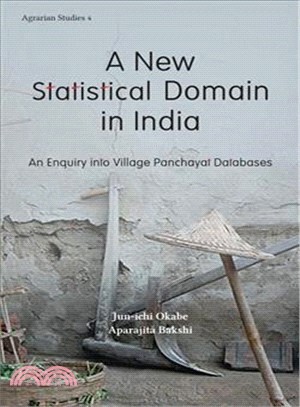
A new structure of local government, the contemporary village panchayat, has emerged in rural India as a consequence of the Constitution (73rd Amendment) Act, 1992. This new statistical domain require
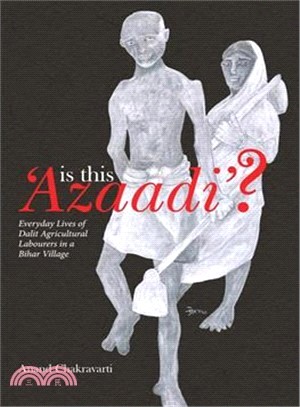
This study of the living conditions of Dalit agricultural laborers in Muktidih Village in southwest Bihar throws light on the problems they face in accessing the basic necessities of existence, includ
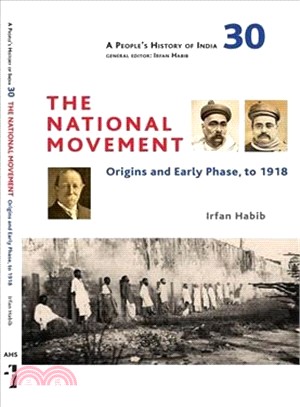
The National Movement: The First Phase, till 1918 deals with popular resistance to colonial rule, a special position being given to the Revolt of 1857–58, its nature and legacy; the rise of national c
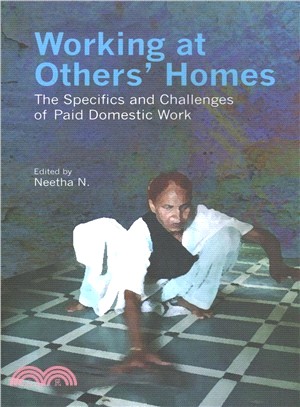
The specificities of domestic work in relation to the workplace alongside the intersections of gender, class, and caste indicate a complex picture in India. Though domestic workers have become a signi
The essays in this book are the texts of four public lectures on Marx's Capital, delivered by C. P. Chandrasekhar on the occasion of 150 years since the publication of Volume 1. The essays are titled:
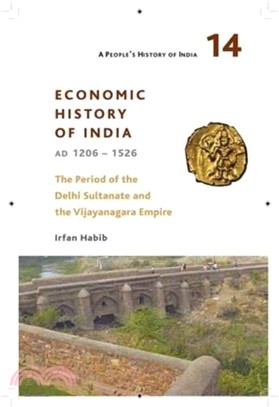
This volume is devoted to the economic and social history of India from the thirteenth to the fifteenth century. The book consists of three long chapters, divided into numerous subchapters. The first
Drawing on a range of visual archives and personal collections, this book casts Rabindranath Tagore as the "Dancing Poet"—in whom the contours of a pan-Indian diversity seek to merge, albeit selective
This volume is a collection of papers based on the idea that the concept of similarity could offer a new, alternative approach in culture studies, as compared to the hitherto dominant paradigm of diff
This book is the outcome of a two-year research project undertaken by the Foundation for Agrarian Studies and supported by the Rosa Luxemberg Stiftung (New Delhi). The objective of the project was to
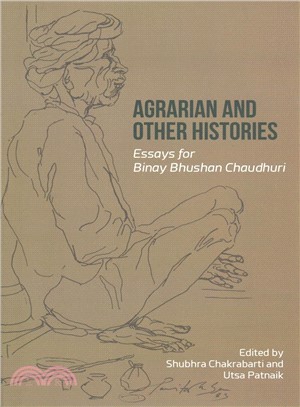
There is no area in the agrarian history of eastern India that Binay Bhushan Chaudhuri has not traversed. His journey began with his 1956 contribution in Bengal Past and Present, on "Some Problems of
This book is an intensive reconsideration of the very first site-specific installation staged in India. Vivan Sundaram, one of India's most innovative artists, located his History Project, marking fif
Written in the 1820s, Sair-ul-Manazil, as far as we know, is the first attempt to systematically list the monuments of the city of Delhi. Apart from public buildings like mosques, temples, shrines, an
This book brings together in English translation for the first time the two editions of Sir Syed Ahmed Khan's classic account of the monuments and environs of the pre-colonial city of Delhi, titled in
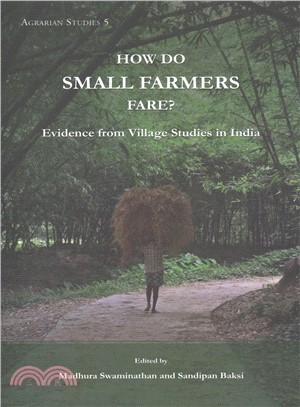
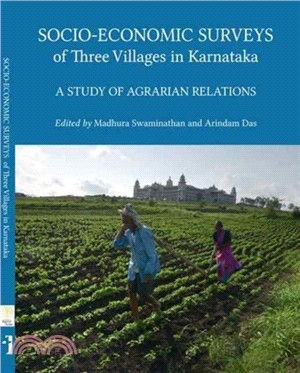
In 2005, the Foundation for Agrarian Studies (FAS) initiated the Project on Agrarian Relations in India (PARI), with the aim of studying village-level production, production systems and livelihoods, a
Comprising No. 14 in the People's History of India series, published by Aligarh Historians Society in collaboration with Tulika Books, this volume is devoted to the economic and social history of Indi
This book attempts to fill the gap in knowledge about the vast musical repertoire of the Indian People's Theatre Association (IPTA): it is about the IPTA tradition's music in a national as well as spe
?The discipline of history in India is under attack—not only from those who adopt a pseudo-historical mode to popularize a mythical version of the past colored with their ill-concealed political objec
This study of the Sree Narayana Dharma Paripalana Yogam (SNDP Yogam), one of the earliest social reform movements in Kerala, investigates the relationship of social reform, religion, and caste. The Yo
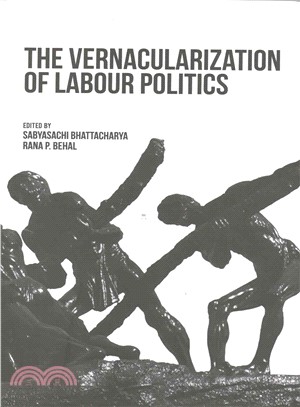
The decline of trade unionism and the absence of labor unions in the public sphere in India as well as at the global level has generated much discussion. In the era of neoliberalism, trade unions are
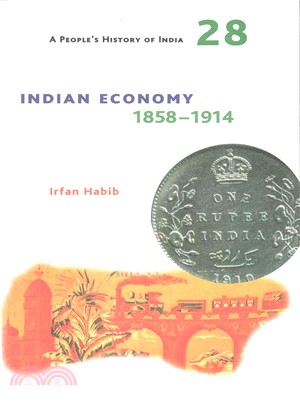
The monograph surveys the developments within the Indian economy during the period of the high tide of colonial domination between the 1857 Rebellion and the First World War. Its various sub-chapters
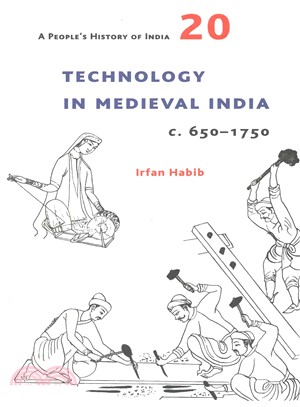
This book covers the whole range of technology, from the tools and skills of ordinary men and women to the instruments of astronomers and the equipage and weaponry of war. Changes in technology are ca
This volume of the A People's History of India series deals with the period spanning c. 700 and c. 350 BC. During this important period of Indian history, iron technology diffused, transforming and mu
This book deals with the establishment and expansion of British rule from the Carnatic Wars and the Battle of Plassey to the enactment of the Charter Act of 1813, which divested the East India Company