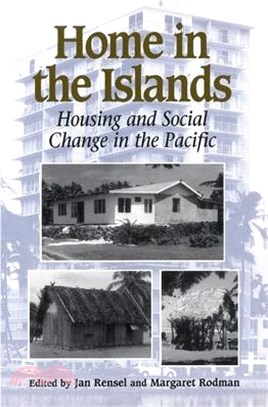
Ordinary houses have extraordinary stories to tell. For more than a century, anthropologists have been recording these sagas in an attempt to uncover humanity's relationship with the common dwelling.
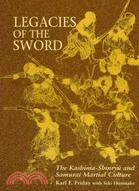
Western scholars and educators are generally far less familiar with the samurai in his original-and, ostensibly, primary-role as warrior and masters of arms than in his other functions as landowner, f
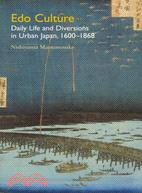
Nishiyama Matsunosuke is one of the most important historians of Tokugawa (Edo) popular culture, yet until now his work has never been translated into a Western language. Edo Culture presents a select
Vocabulary learning is the single most important component of second-language acquisition. In cases where the second language is unrelated to the learner's native tongue, this task presents special ch
“This exceptionally well-written book is good reading, not only for specialists but also for beginning students interested in women, Korean culture, and shamanism.” —Journal of Asian Studies“Kendall m
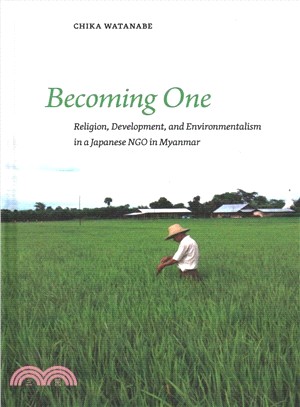
International development programs strive not only to alleviate poverty but to transform people, aid workers and recipients alike. Becoming One grapples with this process by exploring the work of OISC
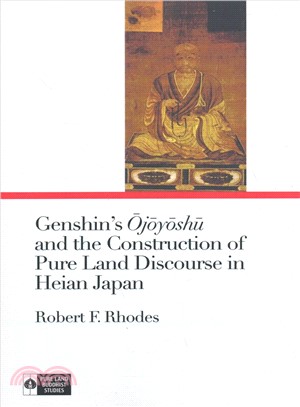
The Ojoyoshu, written by the monk Genshin (942–1017), is one of the most important texts in the history of Japanese religions. It is the first comprehensive guide to the doctrine and practice of Pure
Familial Properties is the first full-length history of Vietnamese gender relations in the precolonial period. Author Nhung Tuyet Tran shows how, despite the bias in law and practice of a patrilineal
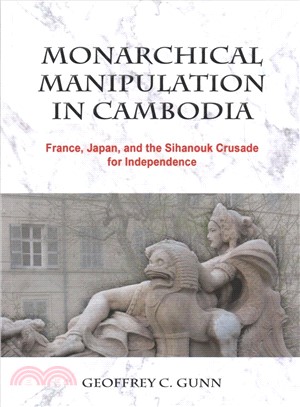
One figure strides across modern Cambodian history—Norodom Sihanouk. From his accession to the throne of Cambodia in 1941 until his extravagant funeral ceremony in 2013, the prince turned ‘king father
One figure strides across modern Cambodian history—Norodom Sihanouk. From his accession to the throne of Cambodia in 1941 until his extravagant funeral ceremony in 2013, the prince turned ‘king father
Informal and unregulated economic activities remain an important feature of Mindanao's economy. Despite its enduring presence, the informal economy has largely been overlooked in the analysis of Minda