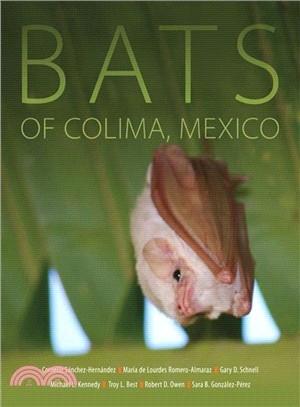
The tiny state of Colima on Mexico’s Pacific coast is one of the three most biodiverse hot spots in the world. Straddling temperate and tropical zones, with rugged topography ranging from a volcanic m
In 1875, a team of cartographers, geologists, and scientists under the direction of Ferdinand V. Hayden entered the Four Corners area for what they thought would be a calm summer’s work completing a p
The history of Indian removal has often followed a single narrative arc, one that begins with President Andrew Jackson’s Indian Removal Act of 1830 and follows the Cherokee Trail of Tears. In that con
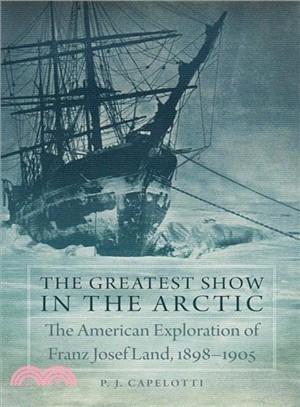
In Gilded Age America, Arctic explorers were fabulous celebrities—assured of riches and near-immortality so long as they reached the North Pole first. Of the many attempts to meet that goal, three Ame
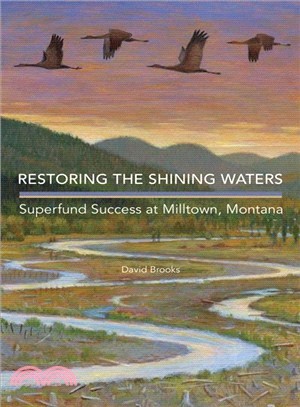
No sooner had the EPA established the Superfund program in 1980 to clean up the nation’s toxic waste dumps and other abandoned hazardous waste sites, than a little Montana town found itself topping th
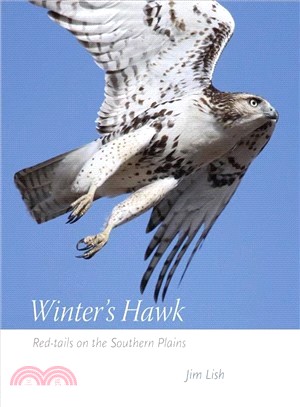
Every autumn, thousands of migrating Red-tailed Hawks arrive on the southern Great Plains to spend the winter, and Oklahoma is one of the best places to observe this amazing phenomenon. Above the prai
In The Red River in Southwestern History, Carl Newton Tyson traces the river’s history from the time of early Spanish and French explorers to the present day, leading his readers to a new appreciation
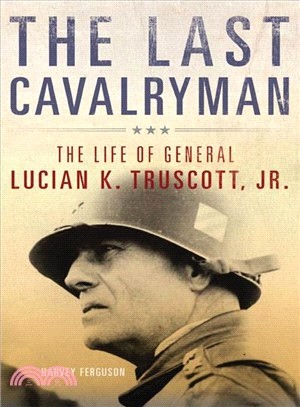
“Truscott was one of the really tough generals,” soldier-cartoonist Bill Mauldin of the 45th Infantry Division once wrote. “He could have eaten a ham like Patton for breakfast any morning and picked h
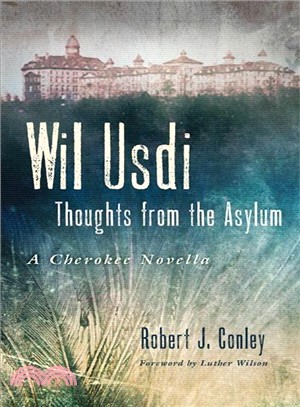
Adopted into the Cherokee tribe as a teenager, William Holland Thomas (1805–1893), known to the Cherokees as Wil Usdi (Little Will), went on to have a distinguished career as lawyer, politician, and s
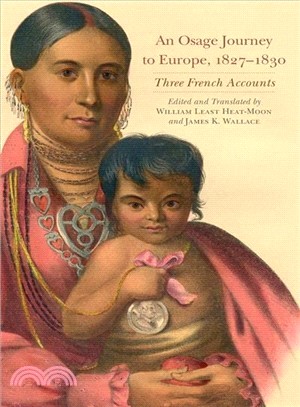
In 1827 six Osage people—four men and two women—traveled to Europe escorted by three Americans. Their visit was big news in France, where three short publications about the travelers appeared almost i
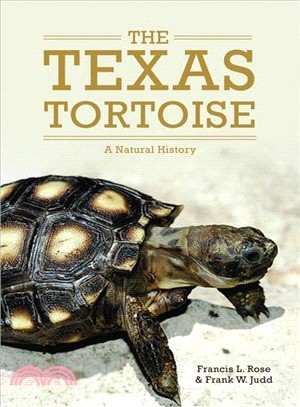
Remnants of an ancient lineage, tortoises date back to the Eocene. Among the five species remaining in North America, Texas tortoises are the smallest in size and inhabit some of the harshest arid env
The Rapid City Indian School, 1898-1933 offers a new perspective on the complexities of American Indian interactions with a BIA boarding school. It shows how parents and students made the best of thei
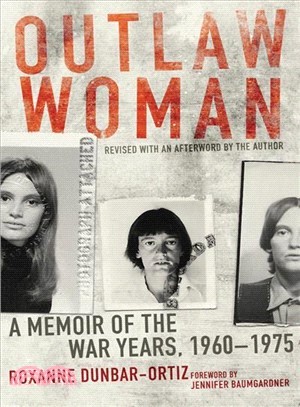
Dunbar-Ortiz’s odyssey from Oklahoma poverty to the urban New Left gives a working-class, feminist perspective on a time and a movement that forever changed American society. In a new afterword, the a
On May 17, 1885, five small bands of Chiricahua Apaches left their camps on Turkey Creek, seventeen miles southwest of Fort Apache, Arizona, and fled the reservation. Three of these bands, led by Chih
Known as an advocate for the endangered earth, Barry Lopez is one of America’s preeminent writers on nature. This invigorating book invites readers to sit down with Lopez and his friend William E. Tyd
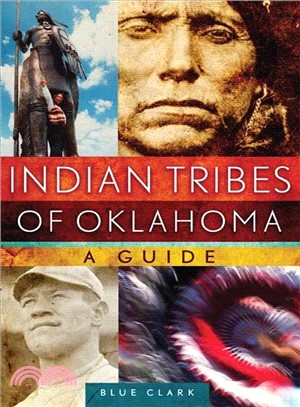
Oklahoma is home to nearly forty American Indian tribes, and includes the largest Native population of any state. As a result, many Americans think of the state as “Indian Country.” For more than half
When the idea of presenting Chickasaw stories in written form was first suggested by tribal elder and storyteller Glenda Galvan, it quickly became apparent that not all of those stories would fit in o
Dale L. Morgan (1914–1971) remains one of the most respected historians of the American West—and his career, one of the least understood. Among today’s scholars his reputation rests largely on his stu
Here is a story, in thinly disguised fictional form, of Plains Indians, especially a Cheyenne chief, Whirlwind—his manner of life, his beliefs, and particularly, his love of his son. The villain is a
The Colorado River Plateau is home to two of the best-known landscapes in the world: Rainbow Bridge in southern Utah and Monument Valley on the Utah-Arizona border. Twentieth-century popular culture m
The year is 1902. A young stock-handler named Fenton Pardee has just survived the train wreck that almost destroyed William F. Cody’s Wild West show. Surveying the train’s smoldering ruins—and what is
In the opening campaign of the Korean War, the First Provisional Marine Brigade participated in a massive effort by United States and South Korean forces in 1950 to turn back the North Korean invasion
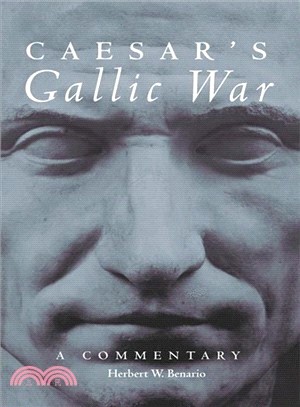
A classic of western literature, Julius Caesar’s Gallic War is also a staple of Latin language instruction at both the high school and college levels. This new edition for students, prepared by a seni
At the beginning of Vergil’s epic poem—long considered a classic of Western literature—the hero Aeneas escapes from the carnage of the Trojan War and embarks on a treacherous series of adventures that
The year is 1902. A young stock-handler named Fenton Pardee has just survived the train wreck that almost destroyed William F. Cody’s Wild West show. Surveying the train’s smoldering ruins—and what is
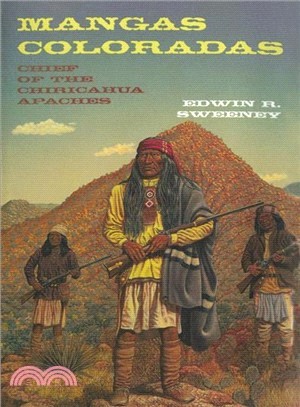
Mangas Coloradas led his Chiricahua Apache people for almost forty years. During the last years of Mangas’s life, he and his son-in-law Cochise led an assault against white settlement in Apacheria tha
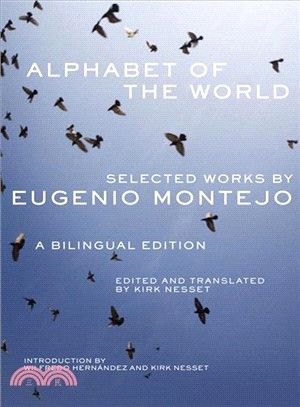
Eugenio Montejo was one of the most significant Latin American poets and essayists of the past half century. Montejo (who died in 2008) was awarded both the National Prize for Literature in his native
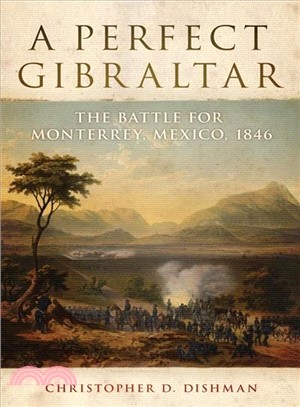
"I have long believed the three-day siege of Monterrey deserves a book of its own. Christopher D. Dishman has done exactly that, giving this bloody battle, critically important and uncetain in its out
Few historical chronicles are as informative and eloquent as the journal written by Prince Maximilian of Wied as a record of his journey into the North American interior in 1833, following the route L
As a young college student in the early 1970s, Laurie Wagner had never camped out, never gone hiking, and never lived without electricity or indoor plumbing. Yet she walked away from these comforts an
Two disparate worlds met in the life of Alexander Phimister Proctor: the art world centered in the eastern United States and the world of the western frontier. Proctor was a remarkable amalgam: a big-
Called the “Fighting Cock of the Sioux” by U.S. soldiers, Hunkpapa warrior Gall was a great Lakota chief who, along with Sitting Bull and Crazy Horse, resisted efforts by the U.S. government to annex
The Battle of the Washita is one of the most tragic?and disturbing?events in American history. On November 27, 1868, the U.S. Cavalry under Lt. Col. George Armstrong Custer attacked a peaceful Souther
Contrarian Sooner views of Oklahoma historyHow many of us really know every side to Oklahoma’s past and present?In this companion to his previous volume, ?An Oklahoma I Had Never Seen Before,” Davis D
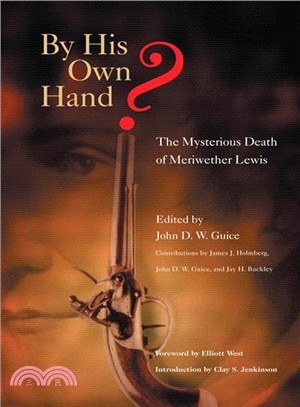
For two centuries the question has persisted: Was Meriwether Lewis’s death a suicide, an accident, or a homicide? By His Own Hand? is the first book to carefully analyze the evidence and consider the
During the Vietnam era, conscientious objectors received both sympathy and admiration from many Americans. It was not so during World War II. The pacifists who chose to sit out that war?some 72,000 me
In the tradition of Thoreau’s Walden, William Paul Winchester offers a chronicle of everyday life on Southwind, his farm of twenty acres. As a subsistence farmer, he builds his own house and barn, put
The Texas Sheriff takes a fresh, colorful, and insightful look at Texas law enforcement during the decades before 1960. In the first half of the twentieth century, rural Texas was a strange, often vio
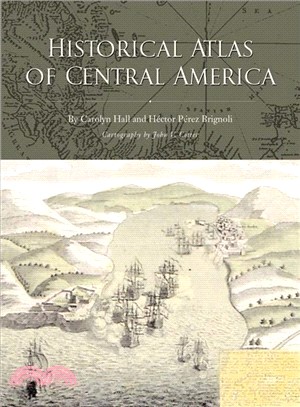
Central America has been a region of global importance since it was first explored by the Spanish early in the sixteenth century. Yet this mosaic of seven states, extending from Guatemala and Belize t
Spanish is an important source for terms and expressions that have made their way into the English of the southwestern United States. Vocabulario Vaquero/Cowboy Talk is the first book to list all Span