Albert Sbragia considers American urban government as an investor whether for building infrastructure or supporting economic development. Over time, such investment has become disconnected from
Looking back through the prism of the severe economic crisis for filmmaking in the 1980s, The Film Industry in Brazil explores the unusual relationship between the state-supported industry, which ofte
This book describes the crucial World War I period, when the federal government assumed control of the railroads, and various interest groups fought for their positions with policy makers.
The Open Invitation explores the relationship between prefigurative politics and activist video. Schiwy analyzes activist videos from the 2006 uprising in Oaxaca, the Zapatista’s Other Cam
Drawing on a mix of political, economic, literary, and filmic texts, Crisis Cultures challenges current cultural histories of the neoliberal period by arguing that financialization, and not
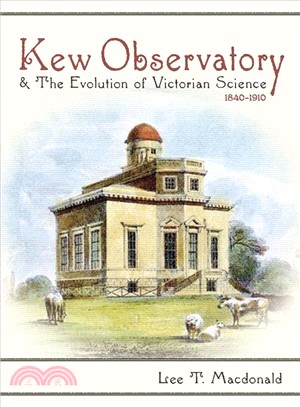
Kew Observatory was originally built in 1769 for King George III, a keen amateur astronomer, so that he could observe the transit of Venus. By the mid-nineteenth century, it was a world-leading center
Gustav Theodor Fechner (1801-1887) was a German physicist, psychologist, and philosopher, best known to historians of science as the founder of psychophysics, the experimental study of the relation be