This report provides an overview of arguments explaining the risk of corruption. Corrupt acts are subject to decision making authority and assets available for grabbing. These assets can be stolen, cr
Bangladesh has the world’s fastest growing, off-grid solar home system (SHS) coverage. In the past decade, the number of SHS installations has risen phenomenally—from a five-year target of 50,000 in 2
The publication presents the detailed results of the 2011 International Comparison Programme (ICP). The ICP is a worldwide statistical initiative that aims to estimate Purchasing Power Parities (PPPs)
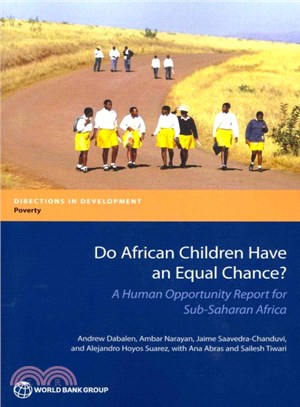
We have long known that a person’s chance of success in life is deeply influenced by early access to education, health services, safe water, and nutritious food. This in turn improves the likelihood t
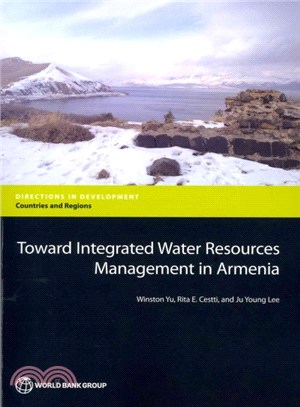
This report aims to assess the overall water resources management situation in Armenia to identify opportunities for strengthening water security in the country. The proper management of water resourc
The Global Monitoring Report 2014/2015 will, for the first time, monitor and report on the World Bank Group’s (WBG) twin goals of ending extreme poverty by 2030 and boosting shared prosperity, while c
The World Bank Group A to Z provides the most concise and essential information about the mission, policies, procedures, products, and services of the new World Bank Group. With more than 280 entries
This book is about global public goods (GPGs), particularly those related to the environment, in the context of the global development process. We, the co-editors of this volume, are concerned with th
Despite recent advances in important aspects of the lives of girls and women, pervasive challenges remain. These challenges reflect widespread deprivations and constraints and include epidemic levels
The state of the Indian power sector today is an acknowledged constraint to the country’s growth aspirations. This book examines the home-grown Indian experience with private sector participation in p
Simulating Distributional Impacts of Macro-dynamics: Theory and Practical Applications is a comprehensive guide for analyzing and understanding the effects of macroeconomic shocks on income and consum
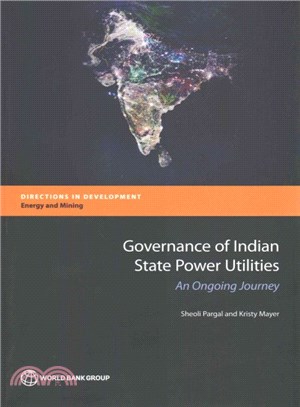
This World Bank review, Governance of Indian State Power Utilities: An Ongoing Journey, is a first attempt to systematically examine the quality of corporate and regulatory governance in the Indian po
Logged On looks at mobile and smart phone technology through the lens of good government management. How will developing governments deliver goods and services that citizens care about? How will gover
The weak economic performance and insufficient and low-quality job creation in Tunisia is primarily the result of an economic environment permeated by distortions, barriers to competition, and excessi
The emergence of Low-Cost Carriers (LCCs) has been a key catalyst for the development of the aviation industry in the last decade. This book identifies various definitions that have been applied to de
Building and operating successful public institutions is a perennial and long-term challenge for governments, which is compounded by the volatile conditions found in fragile settings. Yet some governm
The 2015 Millennium Development Goal to cut in half the share of the world’s population living in extreme poverty was met with time to spare. By 2013, the percentage of developing-country populations
Ethiopia’s model for delivering basic services appears to be succeeding and to confirm that services improve when service providers are more accountable to citizens. As discussed in the World Developm
This Toolkit provides an overall framework with practical tools and information to help policymakers design and implement corporate governance reforms for state-owned enterprises. It covers the key el
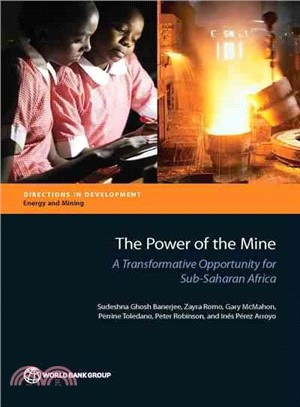
Africa needs power - to grow its economies and enhance the welfare of its people. Power for all is still a long distance away – two thirds of the population remains without electricity and enterprises
This Public Expenditure Review (PER) provides an integrated perspective on Iraq’s need to provide better public service delivery, while maintaining macroeconomic stability and fiscal discipline. The a
One out of every three dollars invested abroad in 2012 was originated in multinationals from developing countries. This study sheds light on the characteristics, motivations, strategies, and needs of
Countries everywhere are divided within into two distinct spatial realms: one urban, one rural. Classic models of development predict faster growth in the urban sector, causing rapid migration from ru
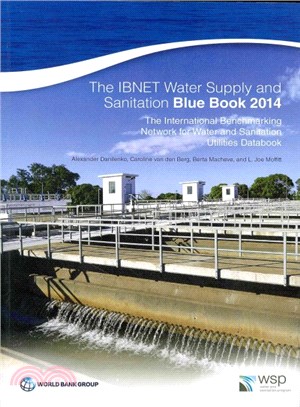
The International Benchmarking Network for Water and Sanitation Utilities of the World Bank’s Water and Sanitation Program (IBNET) has been involved in water sector monitoring since 1997. It has set a
India has been one of the world’s leading developing countries in providing electricity to both rural and urban populations. The country’s rural energy policies and institutions have contributed grea
In the last 30 years, China’s record economic growth lifted half a billion people out of poverty, with rapid urbanization providing abundant labor, cheap land, and good infrastructure. While China has
This study documents the effects of the 2008–09 global financial crisis on poverty in Latin America and the Caribbean (LAC). In doing so, it describes and decomposes the effects of the crisis on pover
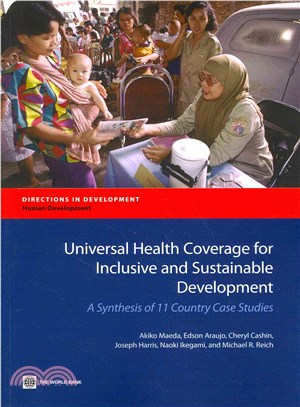
The goals of universal health coverage (UHC) are to ensure that all people can access quality health services, to safeguard all people from public health risks, and to protect all people from impoveri
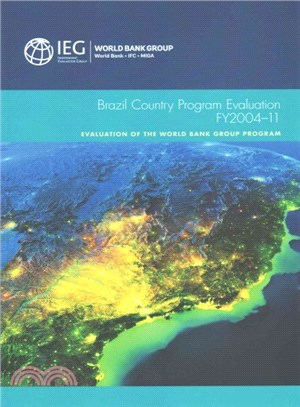
IEG’s evaluation shows that the World Bank Group remained an important partner for the government in addressing many key policy challenges. The World Bank adapted its program effectively to meet shif
The World Bank Group is currently engaged in reflection and debate on how to improve the delivery of development support. Part of this debate concerns strengthening the knowledge agenda. The findings
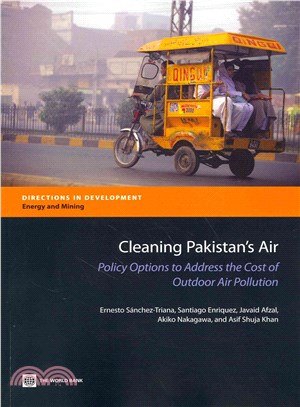
The extent of urban air pollution in Pakistan—South Asia's most urbanized country—is among the world’s most severe, significantly damaging human health, quality of life, and the economy and environmen
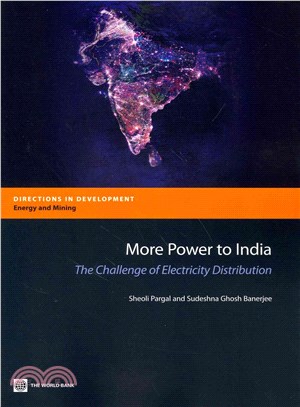
This World Bank review of India’s power sector assesses state-wise progress in implementing the government’s reform agenda two decades after the liberalization of India’s economy and a decade after th
Fragile and conflict-affected states (FCS) have become an important focus of World Bank Group assistance in recent years as recognition of the linkages between fragility, conflict, violence, and pover
Biochar is the carbon-rich organic matter that remains after heating biomass under minimization of oxygen during a process called pyrolysis. Its relevance to deforestation, agricultural resilience, an
The Little Green Data Book is a pocket-sized ready reference on key environmental data for over 200 countries. Key indicators are organized under the headings of agriculture, forestry, biodiversity, o
The analysis in this report confirms the findings of previous studies that trade liberalization improves aggregate welfare and is in the long run associated with higher employment and wages. The analy
Over the past two decades Vietnam has made enormous progress towards achieving universal coverage (UC) for its population. Significant challenges remain, however, in terms of improving equity with con
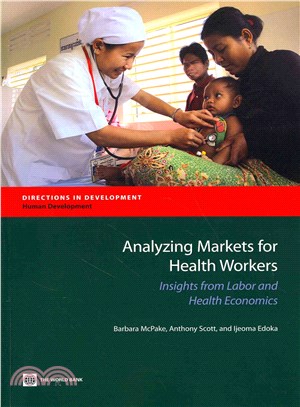
This publication is part of the Bank’s multiyear program to enhance its knowledge of HRH policies. The program’s ultimate objective is to strengthen knowledge and capacity to collect evidence, analyze
One of a series of pocket-sized books that provide a quick reference to development data on different topics, 'The Little Data Book on Private Sector Development 2014' provides data for more than 20 k
Empirical research has found that entrepreneurial activity correlates positively with innovation and job creation, and governments around the world have shown a growing interest in interventions that