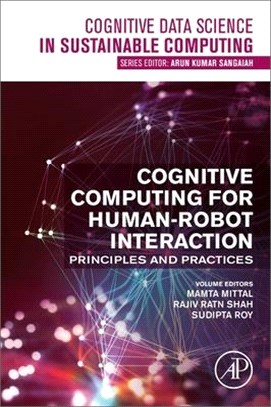
Cognitive Computing for Human-Robot Interaction: Principles and Practices explores the efforts that should ultimately enable society to take advantage of the often-heralded potential of robots to provide economical and sustainable computing applications. The book discusses each of these abilities, presents working implementations, and combines coherent and original deliberative architecture for human-robot interaction. Supported by experimental results, the book shows how explicit knowledge management can be instrumental in richer and more natural human-robot interactions by pushing for pervasive, human-level semantics within the robot's deliberative system for sustainable computing applications.
This book examines issues related to the alignment of business strategies and analytics. Vast amounts of data are being generated, collected, stored, processed, analyzed, distributed and used at an ev