Caesar (C. Iulius, 102–44 BC), statesman and soldier, defied the dictator Sulla; served in the Mithridatic wars and in Spain; entered Roman politics as a “democrat” against the senatorial government;
The fragments and testimonia of the early Greek philosophers (often known as the pre-Socratics) have always been not only a fundamental source for understanding archaic Greek culture and ancient philo
The fragments and testimonia of the early Greek philosophers (often known as the pre-Socratics) have always been not only a fundamental source for understanding archaic Greek culture and ancient philo
The fragments and testimonia of the early Greek philosophers (often known as the pre-Socratics) have always been not only a fundamental source for understanding archaic Greek culture and ancient philo
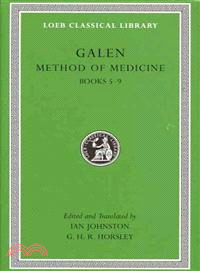
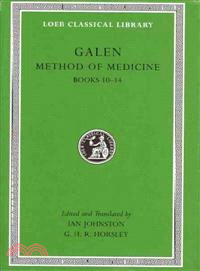
Galen of Pergamum (AD 129–?199/216), physician to the court of the emperor Marcus Aurelius, was a philosopher, scientist, and medical historian, a theoretician and practitioner, who wrote forcefully a
Theocritus (early third century BCE), born in Syracuse and also active on Cos and at Alexandria, was the inventor of the bucolic genre. Like his contemporary Callimachus, Theocritus was a learned poet
The Histories of Sallust (86–35 BCE), while fragmentary, provide invaluable information about a crucial period of history from 78 to around 67 BCE. In this volume, John T. Ramsey has freshly edited th
Statius’s Silvae, thirty-two occasional poems, were written probably between 89 and 96 CE. Here the poet congratulates friends, consoles mourners, offers thanks, admires a monument or artistic object,
The Greek Anthology contains some 4,500 Greek poems in the sparkling, diverse genre of epigram, written by more than a hundred composers, collected over centuries, and arranged by subject. This Loeb e
In the writings of Philostratus (ca. 170-ca. 250 CE), the renaissance of Greek literature in the second century CE reached its height. His Life of Apollonius of Tyana, Lives of the Sophists, and Imagi
Confessions is a spiritual autobiography of Augustine's early life, family, associations, and explorations of alternative religious and theological viewpoints as he moved toward his conversion. Cast a
Xenophon (ca. 430 to ca. 354 BCE), a member of a wealthy but politically quietist Athenian family and an admirer of Socrates, left Athens in 401 BCE to serve as a mercenary commander for Cyrus the You
Sallust, Gaius Sallustius Crispus (86-35 BCE), a Sabine from Amiternum, acted against Cicero and Milo as tribune in 52, joined Caesar after being expelled from the Senate in 50, was restored to the Se
The rollicking comedies of Plautus, who brilliantly adapted Greek plays for Roman audiences c. 205–184 bce, are the earliest Latin works to survive complete and are cornerstones of the European theatr
Plato’s Republic concerns righteousness both in individuals and in communities, and proposes an ideal state organized and governed on philosophical principles. This edition, which replaces Shorey’s, o
Plato’s Republic concerns righteousness both in individuals and in communities, and proposes an ideal state organized and governed on philosophical principles. This edition, which replaces Shorey’s, o
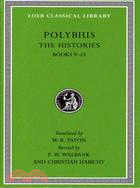
The historian Polybius (ca. 200–118 bce) was born into a leading family of Megalopolis in the Peloponnese and served the Achaean League in arms and diplomacy for many years. From 168 to 151 he was hel
This is the tenth volume in the Loeb Classical Library’s ongoing edition of Hippocrates’ invaluable texts, which provide essential information about the practice of medicine in antiquity and about Gre
In The Learned Banqueters, Athenaeus describes a series of dinner parties at which the guests quote extensively from Greek literature. The work (which dates to the very end of the second century ad) i
The rollicking comedies of Plautus, who brilliantly adapted Greek plays for Roman audiences c. 205–184 bc, are the earliest Latin works to survive complete and are cornerstones of the European theatri
The rollicking comedies of Plautus, who brilliantly adapted Greek plays for Roman audiences c. 205–184 BCE, are the earliest Latin works to survive complete and are cornerstones of the European theatr
A Greek physician and philosopher at the Roman court of Marcus Aurelius, Galen of Pergamum (130-200 AD) systematically and comprehensively describes the principles of treating injury and disease, foll
The historian Polybius (ca. 200–118 BCE) was born into a leading family of Megalopolis in the Peloponnese and served the Achaean League in arms and diplomacy for many years, favoring alliance with Rom
Galen of Pergamum (129–?199/216), physician to the court of the emperor Marcus Aurelius, was a philosopher, scientist, and medical historian, a theoretician and practitioner, who wrote forcefully and
"Galen of Pergamum (129-?199/216), physician to the court of the emperor Marcus Aurelius, was a philosopher, scientist, and medical historian, a theoretician and practitioner, who wrote forcefully and
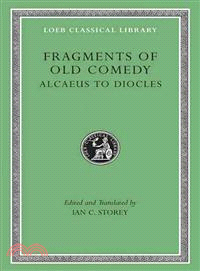
The era of Old Comedy (c. 485 – c. 380 BCE), when theatrical comedy was created and established, is best known through the extant plays of Aristophanes, but there were many other poets whose comedies
The era of Old Comedy (c. 485 – c. 380 BCE), when theatrical comedy was created and established, is best known through the extant plays of Aristophanes, but there were many other poets whose comedies
The Saturnalia, Macrobius’s encyclopedic celebration of Roman culture written in the early fifth century CE, has been prized since the Renaissance as a treasure trove of otherwise unattested lo
The Saturnalia, Macrobius' encyclopedic celebration of Roman culture written in the early fifth century CE, has been prized since the Renaissance as a treasure trove of otherwise unattested lore. Cas
The rollicking comedies of Plautus, who brilliantly adapted Greek plays for Roman audiences c. 205–184 BCE, are the earliest Latin works to survive complete and are cornerstones of the European
The historian Polybius (ca. 200–118 BCE) was born into a leading family of Megalopolis in the Peloponnese (Morea) and served the Achaean League in arms and diplomacy for many years, favoring alliance
The historian Polybius (ca. 200-118 BCF) was born into a leading family of Megalopolis in the Peloponnese (Morea) and served the Achaean League in arms and diplomacy for many years, favoring alliance
This is the ninth volume in the Loeb Classical Library’s ongoing edition of Hippocrates’ invaluable texts, which provide essential information about the practice of medicine in antiquity and about Gre
Eighteen of the ninety or so plays composed by Euripides between 455 and 406 BCE survive in a complete form and are included in the first six volumes of the Loeb Euripides. A further fifty-two tragedi
Aeschylus (ca. 525–456 BCE), the dramatist who made Athenian tragedy one of the world’s great art forms, witnessed the establishment of democracy at Athens and fought against the Persians at Marathon.
In The Learned Banqueters, Athenaeus describes a series of dinner parties at which the guests quote extensively from Greek literature. The work (which dates to the very end of the second century CE) i
Eighteen of the ninety or so plays composed by Euripides between 455 and 406 bce survive in a complete form and are included in the preceding six volumes of the Loeb Euripides. A further fifty-two tra
This volume, which completes the new Loeb Classical Library edition of Hesiod, contains The Shield and extant fragments of other poems, including the Catalogue of Women, that were attributed to Hesiod
Statius published his Thebaid in the last decade of the first century. This epic recounting the struggle between the two sons of Oedipus for the kingship of Thebes is his masterpiece, a stirring explo
Statius published his Thebaid in the last decade of the first century. This epic recounting the struggle between the two sons of Oedipus for the kingship of Thebes is his masterpiece, a stirring explo